
If your hair turns greasy faster than you expect, you’ve probably asked yourself this:
Do I really need a “good oily hair shampoo,” or will any regular shampoo do the job?
At first glance, shampoo is just shampoo. It cleans your hair so what’s the difference?
But if you’ve ever washed your hair in the morning and noticed oil creeping back by evening, you already know the answer:
Not all shampoos work the same especially for oily hair.
In this guide, we’ll break down:
- The real difference between a good oily hair shampoo and a regular shampoo
- Why most products fail oily hair
- What actually works (and what doesn’t)
- How to choose the best shampoo for oily hair without making it worse
What Is a “Good Oily Hair Shampoo”?
A good oily hair shampoo isn’t just something that removes oil.
That’s where most people go wrong.
Instead, it should:
- Remove excess oil (not all oil)
- Prevent buildup on the scalp
- Maintain your scalp’s natural balance
- Keep hair fresher for longer
This is very different from how regular shampoos are designed.
What Is a Regular Shampoo?
Regular shampoos are made for general hair care, not specific scalp conditions.
They often:
- Focus on softness and smoothness
- Contain conditioning agents
- Work for normal to dry hair types
While that sounds great, it creates problems for oily hair.
Because what makes hair soft can also make it… greasy.
The Key Differences (That Actually Matter)
1. Cleansing Power
Good Oily Hair Shampoo:
- Targets oil at the scalp
- Cleans effectively without over-stripping
- Keeps roots lighter for longer
Regular Shampoo:
- Often too mild or too heavy
- May leave behind residue
- Doesn’t control oil effectively
Result: Regular shampoo = faster grease buildup
2. Residue & Buildup
This is one of the biggest hidden issues.
Regular shampoos often contain:
- Silicones
- Thickening agents
- Heavy conditioners
These ingredients:
- Coat your hair
- Trap oil
- Make roots greasy sooner
A shampoo for oily hair is designed to avoid this problem by rinsing cleaner.
3. Scalp Balance
Your scalp reacts to how you treat it.
Harsh cleansing (common in some shampoos):
- Strips natural oils
- Triggers more oil production
Balanced cleansing (what you need):
- Removes excess oil
- Keeps your scalp stable
That’s why the best shampoo for oily hair focuses on balance not aggression.
4. Frequency of Washing
With the wrong shampoo:
- You feel the need to wash daily (or more)
With the right shampoo:
- Hair stays fresh longer
- You naturally reduce wash frequency
Why Regular Shampoo Fails Oily Hair
Let’s be direct:
Regular shampoos are not built for oily scalps.
Here’s why they often fail:
They Focus on Hair, Not Scalp
Oily hair is a scalp issue not a hair-length issue.
They Add Too Much Moisture
Extra conditioning = heavier roots = faster oiliness
They Leave Invisible Residue
Even if your hair feels clean, buildup may still be there.
They Trigger the Oil Cycle
Strip → dry scalp → more oil → repeat
The Hidden Problem: It’s Not Just Oil
Most people think:
“My hair is oily, so I need to remove oil.”
But the real issue is usually:
Oil + buildup + imbalance
That’s why switching to the best shampoo for oily hair often makes a bigger difference than washing more frequently.
Why Shampoo Format Matters More Than You Think
Here’s something most blogs don’t talk about enough:
The format of your shampoo (liquid vs bar) can directly affect oily hair.
Liquid Shampoos:
- Often diluted with water
- Easier to overuse
- More likely to leave residue
Shampoo Bars:
- More concentrated
- Typically simpler formulations
- Designed to rinse cleaner
This makes a big difference for oily hair, where every bit of residue matters.
Why Shampoo Bars Can Be Better for Oily Hair
A well-made shampoo bar can solve multiple oily hair problems at once.
Less Buildup
No unnecessary fillers = cleaner scalp
Better Oil Control
Removes excess oil without over-stripping
Longer-Lasting Freshness
Hair doesn’t get greasy as quickly
More Controlled Application
You’re less likely to overload your scalp with product
This is why many people struggling to find the best shampoo for oily hair see better results after switching formats not just brands.
A thoughtfully formulated option like West Coast Shampoo Bars offers a more balanced way to cleanse, helping reduce oil without the heaviness that comes from traditional bottled shampoos.
How to Choose the Best Shampoo for Oily Hair
If you want real results, look for these qualities:
1. Lightweight Cleansing
Avoid anything that feels heavy or overly creamy.
2. Minimal Residue
Your scalp should feel clean not coated.
3. Scalp-Focused Formula
Remember: treat the roots, not just the hair.
4. Balanced Ingredients
Look for ingredients that help regulate oil without stripping.
5. Simpler Formulation
Fewer unnecessary additives = better for oily hair
How to Wash Oily Hair the Right Way
Even the best shampoo won’t work if your technique is off.
Step-by-step:
- Use lukewarm water (not hot)
- Apply shampoo only to the scalp
- Massage gently with fingertips
- Rinse thoroughly
- Condition only the ends
Common Mistakes to Avoid
- Using too much product
- Not rinsing properly
- Applying conditioner to the scalp
- Overusing styling products
- Touching your hair constantly
These small habits can undo even the best routine.
So, What’s Better?
Let’s answer the main question:
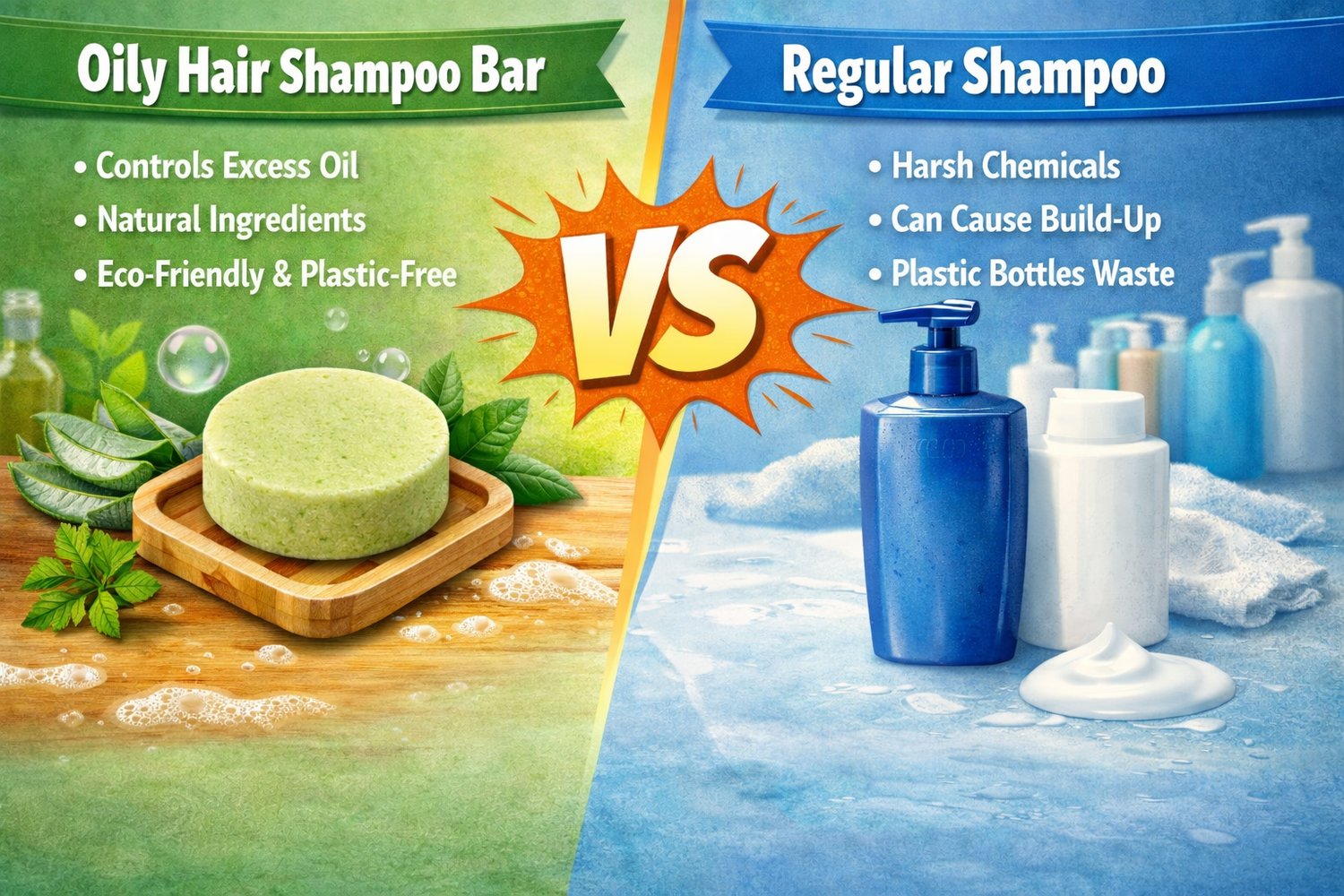
Good Oily Hair Shampoo vs Regular Shampoo
Winner: Good Oily Hair Shampoo by a long shot
Because it:
- Targets the real problem (scalp oil)
- Prevents buildup
- Maintains balance
- Keeps hair fresh longer
Regular shampoo might work temporarily but it won’t solve the issue.
Final Thoughts
If your hair keeps getting greasy too fast, it’s not random.
It’s usually the result of:
- The wrong shampoo
- The wrong formulation
- The wrong approach
Switching to a good oily hair shampoo especially in a cleaner, more balanced format like a shampoo bar can completely change how your hair behaves.
And if you’ve been stuck trying product after product with no success, it might be time to rethink not just what you’re using but how it’s made.
A simple switch to something like West Coast Shampoo Bars can help you move away from heavy, residue-prone formulas and toward a routine that actually works for oily hair.