
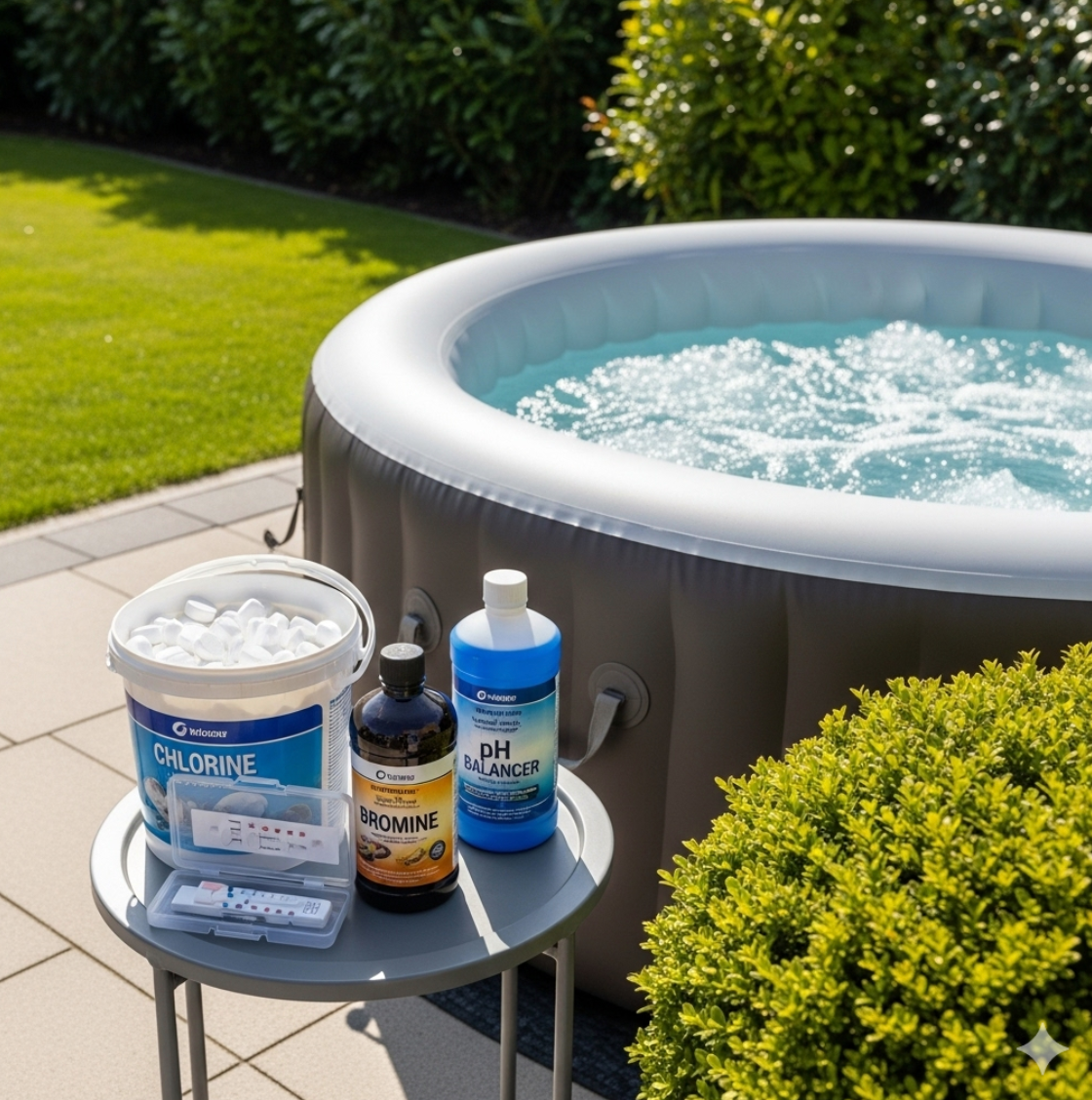
An inflatable hot tub is one of the most convenient ways to enjoy the luxury of a spa at home. It’s portable, easy to set up, and provides all the comfort of warm bubbling water without the permanent commitment of a traditional hot tub. However, many first-time owners are often surprised to learn that keeping the water clean and safe is not as simple as filling it up and turning on the jets.
Proper chemical care is essential. Without the right treatment, your hot tub can quickly turn into a breeding ground for bacteria, cloudy water, and unpleasant odors. But with so many different options available, it can be confusing to figure out exactly what you need. This guide explains the essential chemicals for an inflatable hot tub and why each one matters.
Why Chemicals Are Essential for Inflatable Hot Tubs
Unlike large swimming pools, inflatable hot tubs hold a smaller volume of water but are used intensively. The warm temperature makes them the perfect environment for bacteria and algae growth. Each time someone steps in, they bring along body oils, lotions, and even traces of dirt.
Chemicals balance the water, sanitize it, and prevent damage to the tub itself. Skipping or using the wrong treatment can not only shorten the lifespan of your hot tub but also pose health risks. Understanding the core chemicals helps you maintain a spa that is both relaxing and safe.
Sanitizers: The First Line of Defense
The most important chemical for an inflatable hot tub is a sanitizer. It keeps the water free from harmful bacteria and pathogens. There are two primary options: chlorine and bromine.
Chlorine is the more common choice and works quickly to disinfect water. It is widely available, affordable, and effective, but it can sometimes cause a strong odor or skin irritation if not balanced properly. Bromine, on the other hand, is slower-acting but provides more stable results in hot water. It is often preferred for hot tubs because it remains effective at higher temperatures and is gentler on sensitive skin.
Whether you choose chlorine or bromine, maintaining the correct levels is critical. Too little sanitizer leaves the water unsafe, while too much can make it uncomfortable to soak in. Regular testing ensures the right balance is achieved.
pH Balancers and Alkalinity Adjusters
Sanitizers work best when water chemistry is stable. That’s where pH and alkalinity levels come in. If the water is too acidic or too alkaline, sanitizers lose their effectiveness. Unbalanced pH can also lead to skin irritation, eye discomfort, and even damage to the tub’s lining or heating system.
pH increasers and reducers, along with alkalinity adjusters, help keep the water within the recommended range. This balance is the foundation of hot tub care. Even if you use the best sanitizers, ignoring pH levels can lead to cloudy water and scale build-up inside the tub.
Shock Treatments for Fresh, Clear Water
Over time, regular use introduces organic contaminants such as sweat, oils, and residues from lotions. These can combine with sanitizers and reduce their efficiency. That’s where shock treatments come in.
Shocking your hot tub water once a week—or more often during heavy use—breaks down these contaminants and restores sanitizer strength. It also helps eliminate lingering odors and keeps the water sparkling clear. Non-chlorine shock is popular for inflatable hot tubs because it works effectively without increasing chlorine levels, making it easier to maintain comfortable water.
Protecting Against Algae and Foam
Although algae growth is less common in hot tubs than in large pools, it can still appear if the water is neglected. An algaecide acts as a preventive measure, keeping the water free from green or slimy buildup.
Another common issue with inflatable hot tubs is foam. This is usually caused by body products, detergents from swimwear, or an imbalance in water chemistry. Foam removers are not always necessary but can be useful if the problem persists even after adjusting sanitizer and pH levels.
Don’t Forget About Testing Kits
While testing kits are not technically chemicals, they are just as important. Without regular water testing, you cannot know whether your sanitizer, pH, and alkalinity are in the right range. Test strips or digital meters give quick, reliable readings and allow you to adjust chemicals accurately instead of guessing.
Many hot tub owners who experience cloudy or unsafe water discover the issue isn’t the chemicals themselves but irregular or inaccurate testing. Consistent monitoring ensures that all the effort you put into adding chemicals actually works.
Safety and Storage Considerations
Owning the right chemicals is only part of the responsibility. Safe handling and storage are equally important. Always store inflatable hot tub chemicals in a cool, dry place out of reach of children and pets. Never mix different products together, and follow the manufacturer’s directions carefully when adding them to the water.
Even though inflatable hot tubs are temporary in nature, the chemicals you use are powerful. Treat them with the same caution you would with pool chemicals or household cleaning products.
Final Thoughts
Enjoying the comfort of an inflatable hot tub requires more than just setting it up and filling it with water. The right chemicals keep the water clean, balanced, and safe for everyone using it. A sanitizer such as chlorine or bromine forms the foundation, while pH balancers, alkalinity adjusters, and shock treatments ensure stability and clarity. In some cases, algaecides and foam removers can also be helpful.
Combined with regular testing and proper storage, these essentials allow you to maintain a healthy, inviting spa environment. With the right care, your inflatable hot tub can provide months of relaxation without the worry of unsafe or unpleasant water.
For more tips on maintaining clean and safe water for your pool or spa, you can visit https://www.oceanvistapool.com/