

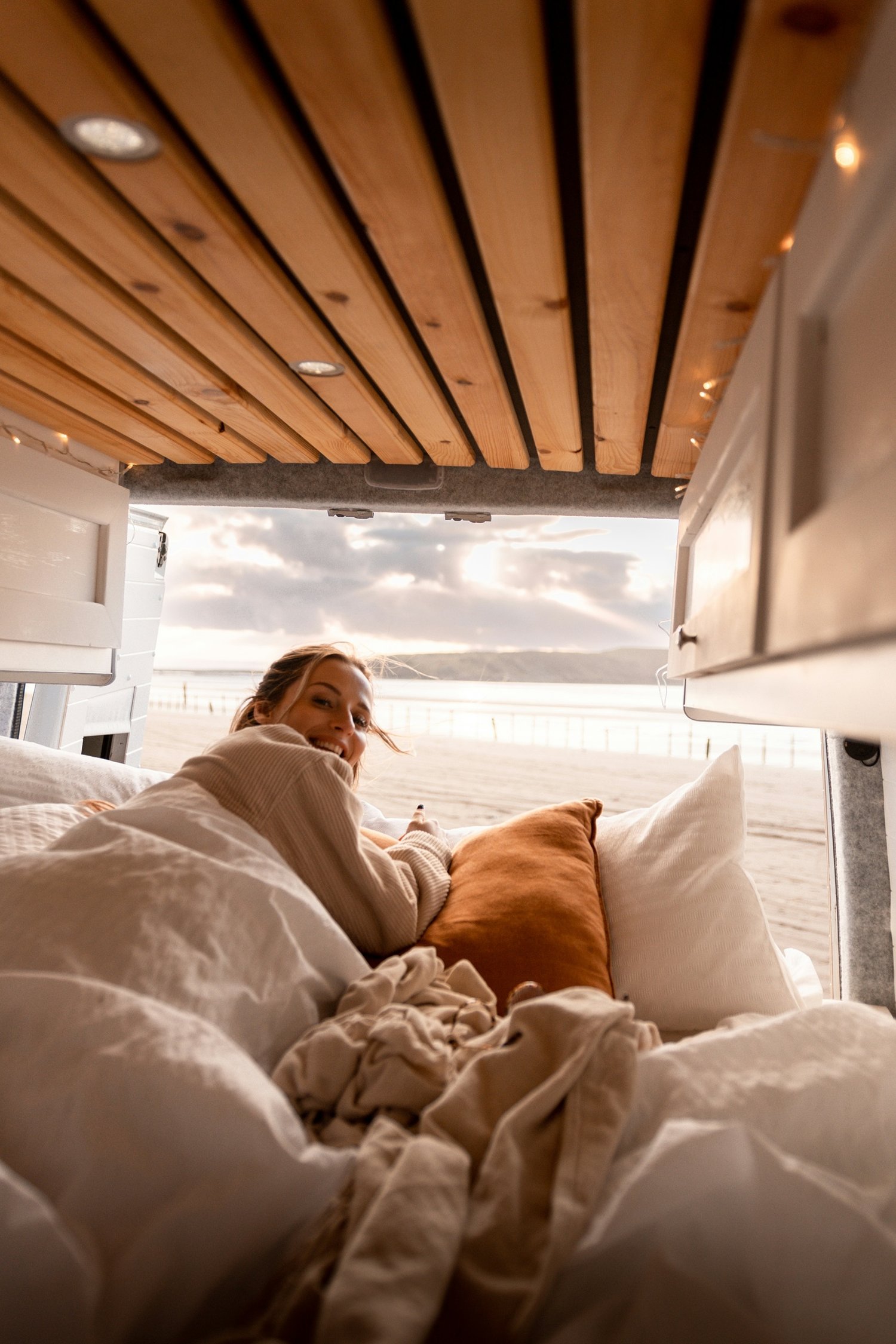
The idea of pulling the plug on traditional utility bills and stepping into a completely self-sufficient lifestyle sounds incredibly freeing. In a world where the noise of daily responsibilities never truly stops, creating an intentional space built to disconnect can be incredibly appealing. But once you have found your patch of land or your remote retreat, you face a major practical question. How do you actually power your new sanctuary?
By Georgia Wells, Off-Grid & Sustainable Living Expert
For most off-grid set-ups, the answer starts with solar energy. Yet before you buy a stack of glossy panels, it's vital to look past the idyllic images and understand what running a standalone power system really involves.
Do they actually work in the UK?
One of the biggest concerns for anyone looking to build an independent escape in the UK is our notorious weather. We have all heard the jokes about endless grey skies, downpours and washed-out summers. It leads to a common worry that solar panels will simply fail the moment a heavy layer of cloud rolls in.
Fortunately, the reality is much more reassuring. Solar panels generate electricity from daylight rather than heat, so they can still produce power on cloudy days. They work best in direct sunlight, but cloud cover does not switch them off. Cold weather isn't necessarily the problem either, as solar panels can operate efficiently in cooler temperatures. The bigger challenge for a UK off-grid system is the shorter days and weaker sunlight during winter.
This is where careful planning becomes important. A system that works beautifully through the long days of summer may struggle to meet the same demand during the darker months. Consequently, an off-grid system needs to be designed around your actual energy use and the conditions at your particular site, rather than simply choosing the largest number of panels you can afford.
The true cost of independence
Stepping entirely off the national electricity network is very different from simply adding a few panels to a suburban roof. When you are connected to the grid, the network acts as your safety net. When you go completely standalone, you need to create your own supply, storage and backup arrangements.
To make independence work, your installation needs several important elements working together:
The solar array captures daylight and converts it into electricity.
The inverter converts this electricity into a form your household appliances can use.
The battery storage stores the energy so you can use it when the panels are not producing enough, including at night.
A backup generator can be important for periods when generation is low for several days. Battery storage is particularly crucial for a genuine off-grid home because producing electricity is only part of the challenge. You also need enough stored energy to get you through periods of poor weather and low generation.
The cost can therefore be considerably higher than installing a standard grid-connected solar system. There isn't one reliable price that applies to every off-grid property. The size of the home, your energy consumption, the number of panels, battery capacity, location, and whether you need additional generation or backup power can all make a significant difference.
Can you set it up yourself?
If you are handy, practical, and used to managing trade projects, the idea of a do-it-yourself installation can be incredibly tempting. For a small project, there are relatively simple ways to start using solar power without attempting to build an entire off-grid home.
A remote writing cabin, garden workshop or simple weekend pod could have a modest system designed around a small number of electrical needs. Lighting, charging phones and laptops, running a router, or powering a small fridge are very different energy requirements from trying to run an entire house. This is where being honest about your energy consumption matters. The more appliances you want to run, the larger and more complicated the system becomes. Washing machines, electric heaters, ovens, power tools and other high-demand appliances can quickly change the size of system you will need.
For a full-time residential space, professional advice is sensible. Solar panels, inverters and battery storage involve complex electrical work and potentially significant amounts of stored energy. In the UK, compliance with BS 7671 (the IET Wiring Regulations) is critical for safety.
While off-grid systems generally do not require standard grid-connection permissions, the installation standards and building regulations must still be strictly followed. Navigating these complexities is why many choose to work with competent professionals registered under trade bodies like NICEIC or NAPIT, or look for installers certified by the Microgeneration Certification Scheme (MCS) to ensure the system is fully compliant and safe. If you are considering a serious off-grid project, it's best to get several quotes and ask exactly what is included.
The reality of going independent
Is it worth the investment? If your only objective is to save money, going completely off-grid may not be the simplest route. A standard grid-connected solar system can reduce your electricity bills without requiring you to create an entirely independent energy system. But if your goal is to build a space where you can step away from the constant pressure of modern life, the calculation becomes different.
Going off-grid changes the way you think about energy. You become aware of how much electricity you use and when you use it. You notice the difference between a bright summer afternoon and a dark winter morning. You learn to make the most of sunny days and become more thoughtful about what you switch on when your stored energy is limited.
There's something satisfying about knowing where your electricity comes from. Instead of taking an endless supply for granted, you become part of the process of producing, storing and using your own power. That's the real attraction of solar for an off-grid lifestyle. It's not simply about putting panels on a roof. It's about becoming more conscious of what you consume and building a way of living that works with your surroundings rather than constantly demanding more from them.
Going solar won't make life completely self-sufficient or effortless. But if you are prepared to plan carefully, understand your energy needs, and accept the compromises that come with independence, it can be one of the most rewarding parts of creating an off-grid life.
About the Author
Georgia Wells writes about off-grid living, practical sustainability and the realities of creating a more independent lifestyle. She is particularly interested in the practical skills, tools and decisions that make living closer to nature both achievable and rewarding.
Up Next