

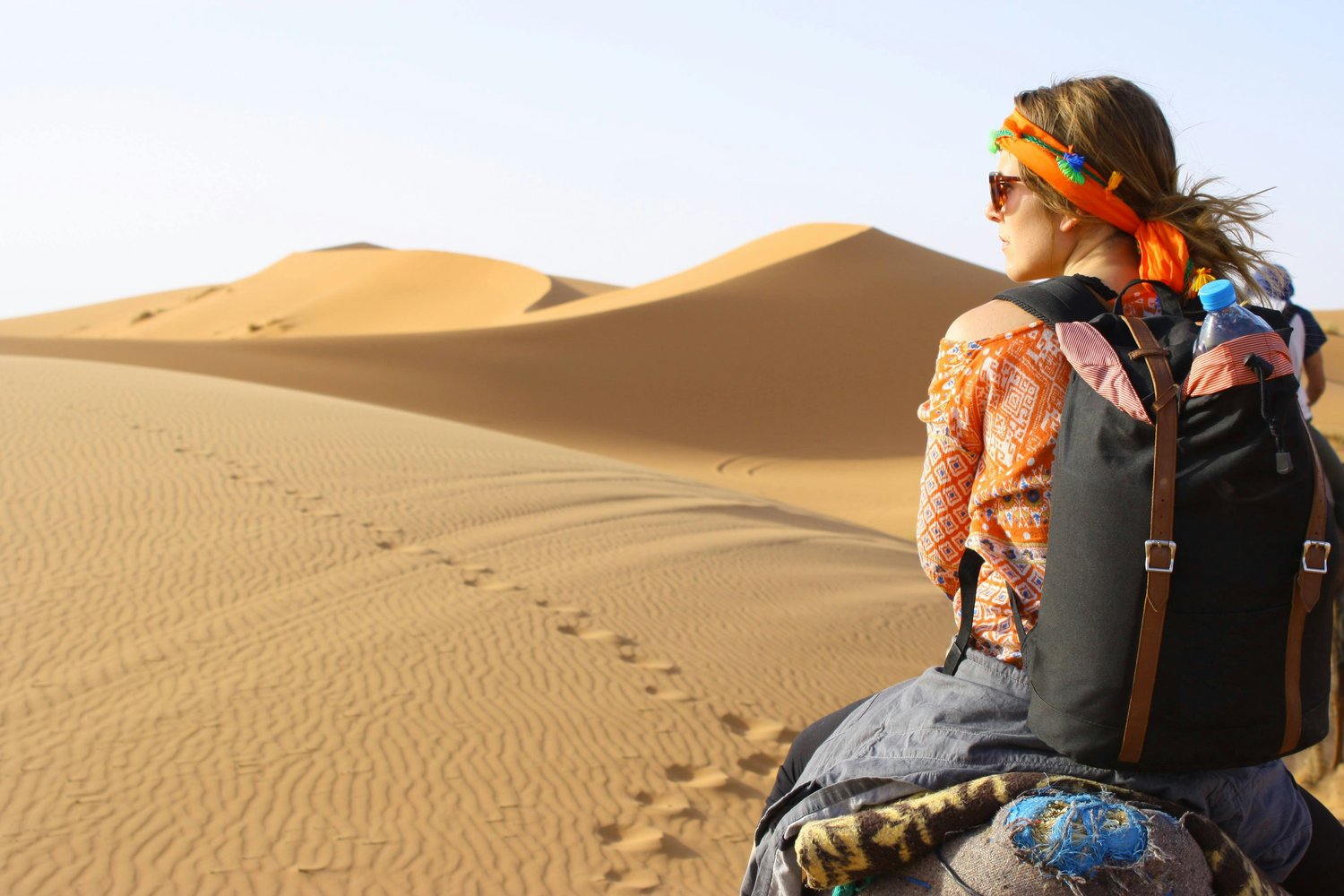
The desire to escape the digital noise and reconnect with nature is stronger than ever. For women who spend their weeks navigating demanding trade environments, running businesses or managing hectic schedules, an intentional solo escape can offer a welcome mental reset. However, taking that first step into the wild on your own can feel daunting. Safety concerns can hold even the most adventurous women back from exploring the freedom of off grid living.
By Georgia Wells, Off-Grid & Sustainable Living Expert
The secret to a successful solo adventure lies in proper preparation. When you've thought through the practical details, you can spend less time worrying about what might go wrong and more time appreciating the quiet beauty of being outdoors. Whether you're planning a weekend of wild camping or scouting out remote plots for a future cabin build, a few essential safety practices can make all the difference.
Choosing the Right Destination
If you're new to solo off grid travel, you don't need to plunge straight into the deepest, most isolated corners of the wilderness. It's far better to build your confidence gradually by choosing places that offer a sense of isolation without leaving you completely vulnerable.
Look for managed campsites, dedicated off grid eco campsites or private sites where camping is permitted. Always check the rules for the area you're visiting before you set off, as the rights around wild camping differ across the UK.
In Scotland, responsible lightweight camping is permitted on most land where access rights apply, although there are important exceptions and local restrictions. The Scottish Outdoor Access Code recommends camping in small numbers for no more than two or three nights in one place, keeping well away from buildings and roads and leaving no trace.
In England and Wales, wild camping generally requires the landowner's permission, so don't assume that a remote looking piece of countryside is automatically available for camping.
Communication Without the Noise
Going off grid is all about disconnecting from the constant buzz of emails and notifications, but it's vital to remain reachable in an emergency. You want to silence the psychological noise without completely cutting off your safety lifeline.
Always share your itinerary with a trusted friend or family member before you set off. Let them know your route, where you intend to camp or park your van and when you expect to return. Agree on a time when you'll check in so someone knows when to raise the alarm if they don't hear from you.
Keep your phone fully charged and carry a reliable power bank. You can switch off unnecessary notifications or use flight mode while you're enjoying the peace but make sure you know how you'll contact help if something goes wrong.
For more ambitious trips into remote areas where mobile signals can be unreliable or completely absent, a satellite communicator can provide an additional safety option. Depending on the device and service, these can allow you to send messages or an emergency alert without relying on a normal mobile phone signal.
Navigating Like a Professional
Getting lost is one of the most common fears for solo travellers, but preparation can dramatically reduce the risk. Never rely solely on live online maps, particularly when you're heading into remote woodland, moorland or mountainous areas where mobile coverage can be unreliable.
Download detailed maps to your device before leaving home so you can access them without a mobile connection. Your phone's GPS can still determine your position without mobile reception, but that doesn't mean you should rely on it as your only form of navigation.
As a practical thinker, you already appreciate the value of a solid backup plan. Carry a traditional paper topographic map and a reliable magnetic compass and make sure you know the basic principles of how to use them.
Before setting off, check the weather, understand the terrain and give yourself plenty of time to complete your route. If conditions deteriorate or you're becoming tired, changing your plans isn't failure. It's good judgement.
Trusting Your Practical Instincts
When you're out in nature by yourself, your intuition is valuable. If a campsite feels wrong, the weather changes unexpectedly or a particular path makes you feel uneasy, listen to that internal voice. There’s no shame in changing your plans, packing up early or moving somewhere safer.
Being independent doesn't mean proving that you can cope with every situation alone. It means knowing your limits and having the confidence to act when something doesn't feel right.
True independence isn't about surviving extreme adversity. It's about creating a safe environment where you can enjoy being outdoors on your own terms. By taking care of the practical details before you leave, you give yourself more freedom to relax once you're there.
Start small, trust your preparation and give yourself permission to enjoy the quiet. Your first solo off grid adventure doesn't need to be dramatic. It simply needs to be yours.
About the Author
Georgia Wells writes about off-grid living, practical sustainability and the realities of creating a more independent lifestyle. She is particularly interested in the practical skills, tools and decisions that make living closer to nature both achievable and rewarding.
Up Next