
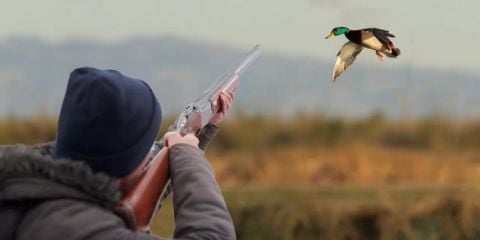
For many women, the desire to hunt starts with curiosity but stalls at uncertainty. They want clear guidance, safe instruction, and real field experience. The solution is structured training that helps them Learn to Hunt Game Birds with confidence and purpose. With professional mentorship and step-by-step instruction, beginners can Learn to Hunt Pheasants in a controlled, ethical environment that removes guesswork from the process.
The demand for hands-on education continues to grow. Women are actively seeking programs that help them Learn to Hunt Game Birds through practical training, not theory alone. They also want focused guidance to Learn to Hunt Pheasants while understanding safety laws and conservation principles. A structured, women-centered approach answers this need directly. It replaces hesitation with preparation and replaces doubt with skill.
What Stops Most Women from Getting Started?
The biggest barrier is access. Many women do not have family mentors or hunting networks. Without guidance, the entry process feels overwhelming.
Firearm handling is another concern. Beginners worry about safety and proper technique. They want expert instruction before stepping into the field.
Licensing rules and wildlife regulations also create confusion. Women often delay starting because they fear making mistakes. Clear education eliminates that fear.
Structured programs address each barrier in sequence. They break the journey into manageable stages. That clarity builds momentum from day one.
How Does Structured Training Build Real Confidence?
Effective programs begin with firearm safety fundamentals. Participants learn safe handling, transport, and storage procedures. Instructors emphasize responsibility at every stage.
Shooting practice often starts with clay targets. This builds coordination and timing before live hunts. Coaches provide immediate feedback on stance and swing.
Once the field is ready, participants review spacing and communication rules. Leaders explain safe shooting zones and coordinated movement patterns. These standards protect everyone involved.
Confidence grows through repetition and guidance. Each lesson builds on the previous one. Participants see measurable improvement over time.
Why Is Mentorship So Important in Upland Hunting?
Mentorship shortens the learning curve. Experienced guides model calm decision-making in active field situations. Beginners observe and learn in real time.
When birds flush, timing becomes critical. Mentors help participants stay focused on technique and safety. After each attempt, they offer constructive feedback.
This direct coaching prevents bad habits. It also reinforces ethical harvest standards. Participants understand both how and why behind every action.
Mentorship creates accountability and encouragement. Women feel supported instead of judged. That atmosphere increases long-term participation.
How Does Conservation Shape the Experience?
Ethical hunting depends on conservation awareness. Participants learn how habitat management supports healthy bird populations. They understand how licensing fees fund restoration efforts.
Programs often collaborate with managed preserves that follow regulated harvest practices. These partnerships ensure sustainable wildlife management.
Education includes shot selection, retrieval standards, and respect for harvested game. Participants see hunting as stewardship, not recreation alone.
This connection to conservation builds a deeper commitment. Women recognize their role in protecting natural resources for future generations.
What Practical Skills Do Participants Gain?
Field training develops more than shooting ability. Participants improve situational awareness and quick decision-making. Walking on varied terrain strengthens endurance and balance.
Communication skills also improve. Clear signals and teamwork keep hunts organized and safe. Participants learn to trust both themselves and others.
Many programs include bird processing instruction. Cleaning and preparing harvested birds reinforces responsibility. It completes the full field-to-table process.
Women often report increased independence after training. They feel capable of planning future hunts with clarity and confidence.
How Does Community Support Long-Term Growth?
Community turns beginners into committed participants. Post-hunt discussions allow reflection and shared learning. Successes and challenges are reviewed openly.
Ongoing communication between events maintains engagement. Members exchange tips and plan future hunts together. This continuity strengthens retention.
Supportive networks reduce isolation. Women see others who once started as beginners. That visibility builds belief in personal growth.
As skills increase, some participants step into leadership roles. They mentor newcomers and sustain the learning cycle.
Why Does This Approach Deliver Results?
Clear structure drives consistent outcomes. Participants know what to expect at every stage. Small group instruction allows personal attention.
Certified instructors maintain strict safety standards. Progression from classroom to range to field remains intentional. Each phase builds measurable competence.
This model removes randomness from learning. It creates a reliable pathway from interest to capability. Women gain both skill and stewardship awareness.
A Purpose-Driven Path with Women on the Wing
Learning upland hunting does not require guesswork or risky trial and error. It requires mentorship, structured education, and conservation focus. Women who want to Learn to Hunt Game Birds benefit most from guided programs built around safety and skill. Those ready to Learn to Hunt Pheasants need hands-on training led by experienced professionals.
Women on the Wing provides that pathway. The organization offers firearm safety instruction, guided field hunts, and conservation-centered education designed for women. Its programs help participants Learn to Hunt Game Birds responsibly and Learn to Hunt Pheasants with confidence. The result is not just a successful hunt. It is a lasting commitment to ethical outdoor leadership.