
Introduction
Cancer treatment requires accurate diagnosis, personalised care, and continuous medical supervision. With advances in oncology, patients in India can access a variety of cancer treatment options, including chemotherapy, radiation therapy, surgery, targeted therapy, and immunotherapy. Choosing an appropriate hospital is an important step towards understanding available treatments and receiving professional medical support.
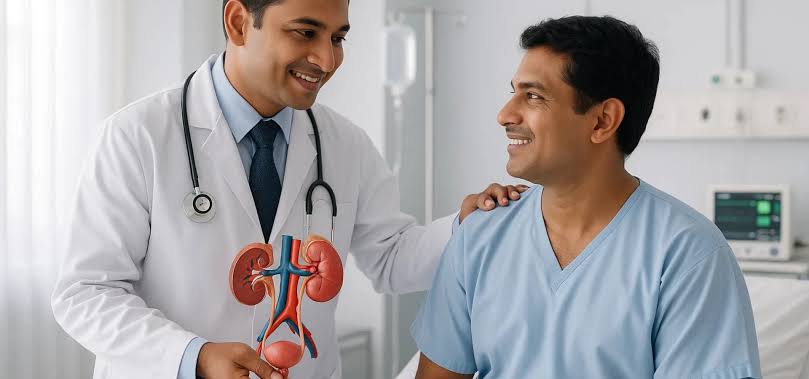
A specialised chemotherapy hospital India provides cancer evaluation, treatment planning, medication administration, and follow-up care through qualified oncology professionals. These services aim to manage cancer effectively while helping patients understand their treatment journey, possible side effects, and recovery needs.
Understanding Chemotherapy Treatment
Chemotherapy is a cancer treatment that uses medicines to destroy cancer cells or slow their growth and division. Depending on the cancer type, stage, and treatment objectives, chemotherapy may be recommended before surgery, after surgery, alongside radiation therapy, or as the primary treatment for certain cancers.
Chemotherapy medicines can be administered intravenously, orally, or through other routes depending on the prescribed treatment plan. The schedule, dosage, and duration vary according to the patient's diagnosis, overall health, and response to therapy.
Before beginning treatment, oncologists generally review biopsy reports, imaging results, blood tests, and other relevant medical information. This evaluation helps determine whether chemotherapy is appropriate and which medicines may offer the greatest potential benefit.
Comprehensive Chemotherapy Services for Cancer
Modern chemotherapy services for cancer involve more than administering medicines. They include specialist consultations, treatment planning, laboratory monitoring, supportive medication, symptom management, and regular assessment of treatment response.
Medical teams monitor patients throughout therapy to identify side effects and determine whether treatment adjustments are necessary. Blood tests may be used to assess blood cell counts and organ function before or during selected chemotherapy cycles.
Supportive care is another important component of treatment. Patients may receive medicines to manage nausea, advice about nutrition and hydration, and guidance on reducing infection risks. The specific recommendations depend on the medicines prescribed and the patient's individual health requirements.
Patients should promptly report unexpected symptoms to their oncology team rather than changing or stopping prescribed treatment independently.
Medical Oncology and Personalised Cancer Care
Medical oncology focuses on treating cancer using medicines, including chemotherapy, immunotherapy, hormonal therapy, and targeted therapies. Medical oncologists evaluate each patient's condition and recommend treatment according to established clinical evidence and individual circumstances.
A specialised medical oncology chemotherapy India service may provide care for different cancers, including breast cancer, lung cancer, colorectal cancer, ovarian cancer, blood cancers, and other malignancies. The appropriate treatment depends on the cancer's type, stage, biological characteristics, and the patient's overall health.
In many cases, cancer treatment involves collaboration between medical oncologists, surgical oncologists, radiation oncologists, pathologists, radiologists, nurses, and rehabilitation professionals. This multidisciplinary approach helps coordinate treatment decisions and address different aspects of patient care.
Oncologists also explain treatment goals, possible benefits, expected duration, and potential side effects. Clear communication helps patients and families make informed decisions and prepare for each stage of treatment.
Managing Chemotherapy Side Effects
Chemotherapy affects patients differently. Common side effects may include fatigue, nausea, vomiting, appetite changes, hair loss, mouth sores, and reduced blood cell counts. Some patients experience mild symptoms, while others require additional medical support.
Following the oncology team's instructions can help patients manage treatment-related discomfort. Eating balanced meals as tolerated, maintaining appropriate hydration, getting adequate rest, and attending scheduled appointments may support general well-being.
Because chemotherapy can sometimes reduce immunity, patients should understand their individual infection-prevention recommendations. Fever during chemotherapy may indicate a serious infection and requires urgent medical assessment according to the oncology team's instructions.
Choosing the Right Chemotherapy Hospital
When selecting a cancer hospital in India, patients should consider oncology expertise, diagnostic facilities, chemotherapy administration protocols, infection-control measures, supportive care, emergency arrangements, and follow-up services.
Patients should also ask about treatment options, expected costs, possible side effects, and available support services before beginning therapy.
Conclusion
India offers specialised oncology services for patients requiring chemotherapy and other cancer treatments. Experienced medical oncologists, coordinated multidisciplinary teams, appropriate monitoring, and supportive care can help patients navigate treatment with greater confidence.
Early evaluation, personalised treatment planning, and regular communication with healthcare professionals are essential parts of cancer care. Consulting a qualified oncologist helps patients understand their options and identify a treatment plan suited to their diagnosis and individual needs.