
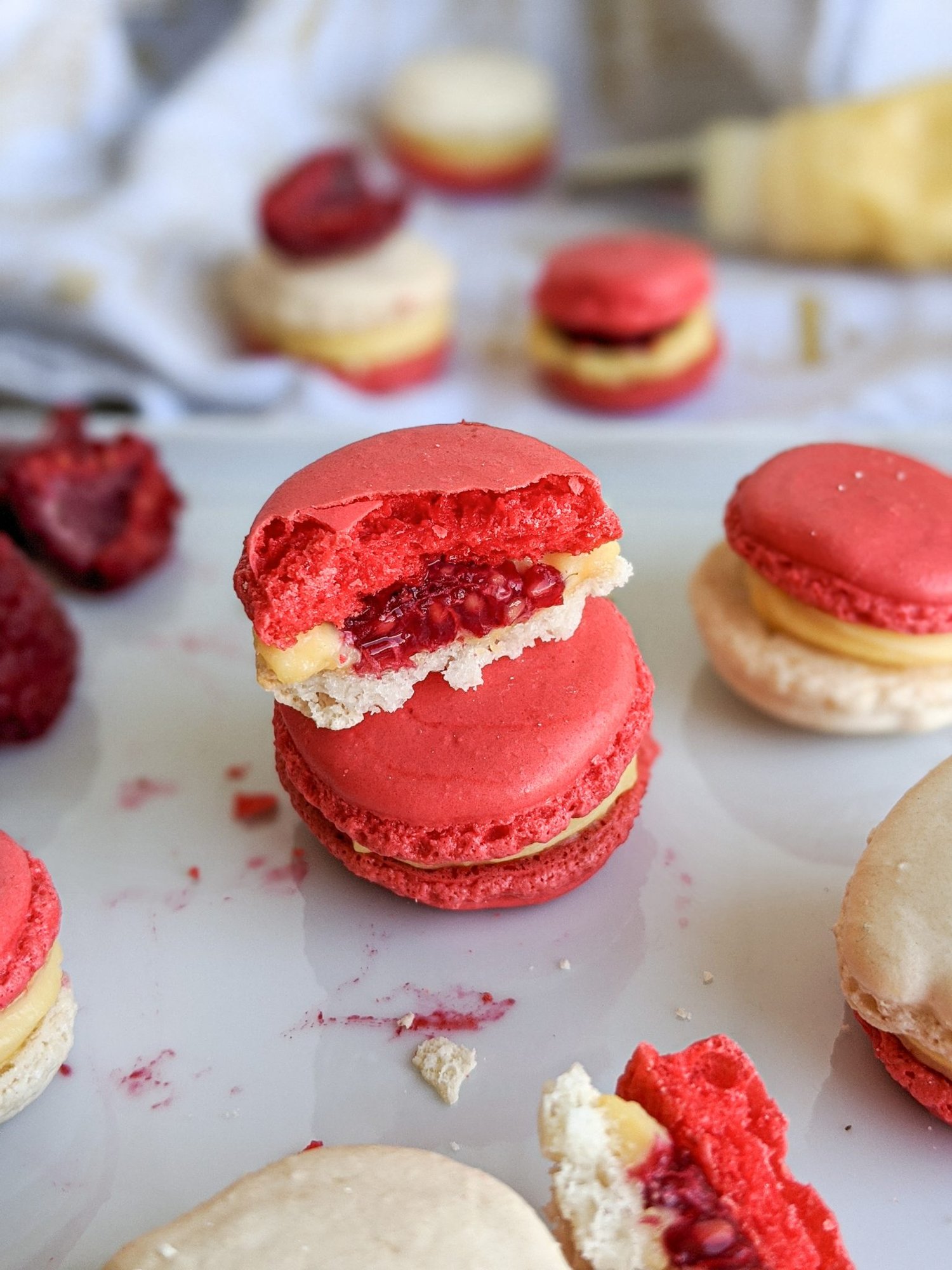
French macarons are often called the "diva" of the pastry world. Despite having only a few ingredients—almond flour, sugar, and egg whites—achieving that perfect, smooth-topped cookie with a dainty "foot" can feel like an impossible task for many home bakers.
If you’ve ever pulled a tray of cracked, hollow, or feet-less macarons out of the oven, don’t lose heart! In this guide, we will break down the most common macaron failures and provide proven solutions to ensure your next batch is a masterpiece.
1. Why Do My Macarons Crack? (Cracked Tops)
There’s nothing more heartbreaking than seeing shattered shells through the oven door.
• The Cause: Moisture is the enemy. If you don't let the piped shells rest long enough, they won't develop the necessary "skin" to trap the air inside, causing the steam to burst through the top.
• The Solution: After piping, let your trays sit in a dry area for 30 to 60 minutes. Touch a shell lightly with your finger; if the batter doesn't stick, they are ready for the oven.
2. Dealing with Hollow Shells (Hollow Hearts)
You bite into a beautiful shell only to find a gaping hole inside?
• The Cause: This is usually due to over-whipping your meringue until it's too dry, or fluctuating oven temperatures that cause the internals to collapse.
• The Solution: Whip your egg whites only until they reach "stiff peaks" (they should stand straight up on the whisk). Also, use an oven thermometer to ensure your heat stays consistent at 300°F (150°C).
3. The Mystery of the "No Feet" Macaron
The "foot" (the ruffled base) is the signature of a true macaron. If your cookies come out flat like regular biscuits, something went wrong.
• The Cause: Over-mixing the batter (over-macaronage). If the batter becomes too thin, it will spread out instead of rising up to create feet.
• The Solution: Use a folding technique and stop the moment the batter falls off your spatula like continuous, thick "lava" or a ribbon.
4. Why Are They Lopsided or Slanted?
• The Cause: This is often caused by uneven heat distribution in the oven or using cheap parchment paper that curls up under heat.
• The Solution: Invest in a high-quality silicone baking mat (Silpat) and remember to rotate your tray halfway through the baking time to ensure even airflow.
5. Sticky Bottoms
• The Cause: Underbaking or trying to peel them off while they are still warm.
• The Solution: Test for doneness by wiggling the top of a shell; if it doesn't move independently from its feet, it’s done. Most importantly: Do not touch them until the tray has cooled down completely.
Pro Tip for Success:
Always use a digital kitchen scale. Macarons are a science; a single gram of extra egg white can ruin the texture. Measuring by "cups" is the fastest way to fail!
🌟 Elevate Your Baking Game!
Tired of wasting expensive almond flour on failed attempts?
Stop guessing and start baking like a Parisian pastry chef! I have spent years perfecting the ultimate "No-Fail Professional Macaron Recipe." This exclusive guide includes my secret ratios, a detailed troubleshooting checklist, and the exact oven settings I use for a perfect batch every time.
[Click Here to Purchase My Signature Macaron Recipe & Masterclass!]
Get the results you’ve always dreamed of and start your home baking business today!