
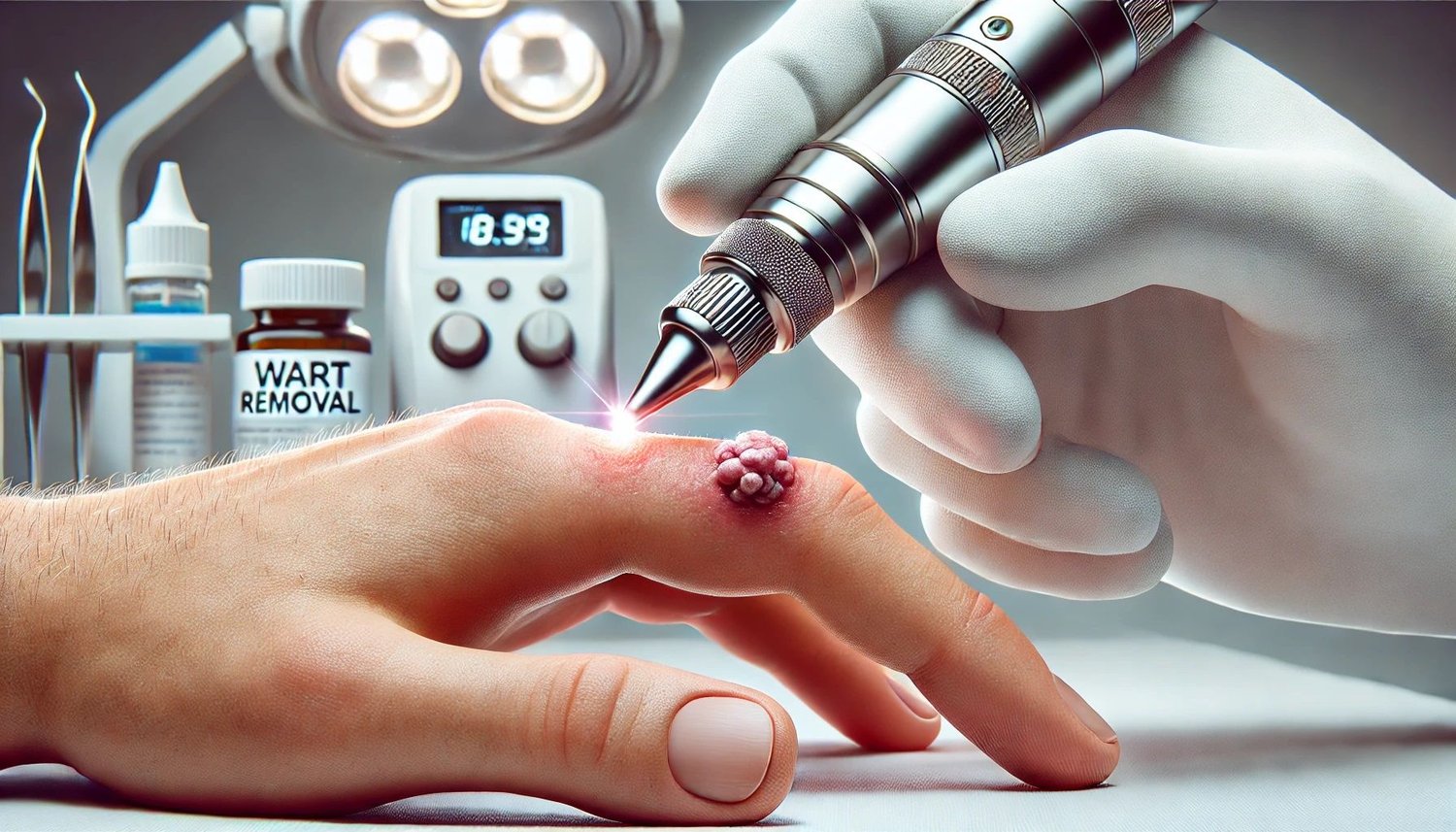
Understanding Warts and Why They Develop
Warts are common skin growths that can appear on different parts of the body. They are generally caused by certain types of human papillomavirus (HPV), which can enter the skin through small cuts, scratches, or other minor breaks. Although many warts are harmless, they can sometimes become uncomfortable, noticeable, or bothersome, especially when they develop on visible areas such as the face, hands, or neck.
People may also become concerned when a wart changes in appearance, multiplies, or remains present despite home care. In such situations, professional assessment can help determine whether the growth is actually a wart and whether treatment is appropriate.
Why Professional Wart Removal Matters
Professional Wart Removal in Riyadh begins with an evaluation of the affected skin. This is important because not every raised or rough skin growth is a wart. Other skin conditions can sometimes look similar, and an accurate diagnosis helps guide the appropriate treatment approach.
A qualified skin specialist can examine the size, location, texture, and appearance of the growth before recommending a suitable option. The treatment decision may also depend on whether the wart is painful, recurring, spreading, or affecting everyday activities.
Professional care can also be particularly useful for warts located in sensitive or cosmetically important areas. Attempting to remove a growth aggressively at home may irritate surrounding skin or cause unnecessary injury.
Different Types of Warts
Common Warts
Common warts frequently appear on the hands, fingers, and around the nails. They often have a rough surface and may gradually increase in size or number. While they are usually harmless, their location can make them inconvenient or aesthetically concerning.
Plantar Warts
Plantar warts develop on the soles of the feet. Pressure from standing and walking can cause them to grow inward, sometimes producing discomfort. Because of their location, they may be confused with calluses or other thickened areas of skin.
Flat Warts
Flat warts tend to be smaller and smoother than common warts. They can occur in larger numbers and may develop on the face, arms, or legs. Their appearance can make professional assessment especially important when cosmetic concerns are involved.
Periungual Warts
Periungual warts develop around or underneath the nails. Because this area is delicate, treatment should be approached carefully. Professional management can help minimize unnecessary damage to the surrounding skin and nail structures.
How Wart Removal in Riyadh Is Evaluated
Before treatment, a specialist typically assesses the skin growth and gathers information about how long it has been present. The examination may include questions about previous treatments, changes in appearance, discomfort, or the development of additional growths.
The location of the wart is another important consideration. A wart on the hand may be managed differently from one on the sole of the foot or near a sensitive area. The number and size of growths can also influence the treatment plan.
This individualized evaluation helps ensure that treatment is selected according to the patient's skin condition rather than applying the same method to every wart.
Common Professional Wart Removal Treatments
Cryotherapy
Cryotherapy uses controlled cold to destroy wart tissue. It is a commonly used treatment for several types of warts. During treatment, the targeted area is exposed to a very cold substance, which causes the treated tissue to gradually break down.
Some people may experience temporary redness, swelling, tenderness, or blistering afterward. The skin generally heals as the treated area recovers.
Prescription or Medical Topical Treatments
Certain topical treatments can help break down wart tissue or stimulate the body's immune response against the wart. The choice of topical therapy depends on the type and location of the growth.
Because these products can affect healthy skin as well, professional guidance is useful when determining how they should be used.
Electrosurgery
Electrosurgery uses controlled electrical energy to destroy wart tissue. It may be considered for certain persistent or resistant growths. The treatment approach depends on the wart's characteristics and its location.
Curettage
Curettage involves carefully removing wart tissue using a specialized medical instrument. It may sometimes be combined with another treatment method. Because the procedure involves physical removal, it should be performed by an appropriately trained professional.
Laser-Based Approaches
Certain laser technologies may be considered for difficult or recurring warts. Laser treatment works by targeting tissue associated with the wart, and its suitability depends on factors such as the wart's location, depth, and previous treatment history.
Choosing the Right Treatment Approach
There is no single treatment that is ideal for every wart. A specialist may consider the wart's type, size, location, duration, number, and previous response to treatment.
Skin sensitivity and the likelihood of irritation may also influence the decision. For example, treatment near the face or nails requires careful consideration because these areas contain delicate structures.
The goal of professional Wart Removal in Riyadh is not simply to eliminate visible tissue. Appropriate treatment also considers surrounding skin, healing, recurrence, and the individual's overall skin health.
What to Expect During Wart Removal
The experience varies according to the treatment method selected. Some procedures may cause temporary sensations such as stinging, warmth, pressure, or discomfort. A healthcare professional can explain what to expect before treatment begins.
Afterward, the treated area may appear red, swollen, crusted, or slightly irritated. These effects can be part of the normal healing process, although patients should follow the aftercare instructions provided by their healthcare professional.
Keeping the treated area clean and avoiding unnecessary picking or scratching can support normal healing. The exact aftercare requirements depend on the procedure used.
Recovery and Skin Care After Treatment
Proper aftercare is an important part of wart management. Patients should generally avoid disturbing the treated area while it heals. If a dressing or topical product has been recommended, it should be used according to professional instructions.
It is also important to monitor the area for unusual changes. Increasing pain, significant swelling, persistent bleeding, or signs of infection should be discussed with a healthcare professional.
In some cases, more than one treatment session may be necessary. Warts can be persistent because the underlying viral infection may remain in surrounding skin even after visible tissue has been treated.
Can Warts Return After Removal?
Wart recurrence is possible. Removing the visible wart does not necessarily mean that the virus has been completely eliminated from the skin. Some individuals may therefore develop another wart in the same area or elsewhere.
Recurrence does not necessarily indicate that treatment was unsuccessful. It can reflect the nature of HPV-related skin growths. If a wart returns, professional reassessment can help determine whether another treatment approach is appropriate.
When Should You Consider Professional Evaluation?
A skin growth should be professionally evaluated if it is persistent, painful, rapidly changing, bleeding without an obvious reason, or different from other warts previously experienced.
Professional assessment is also worthwhile when a growth does not respond to over-the-counter treatments or when its identity is uncertain. This is particularly important because several skin conditions can resemble warts.
Seeking appropriate care early can help avoid unnecessary irritation from repeated home treatments and provide a clearer understanding of the condition.
Wart Removal in Riyadh for Healthier-Looking Skin
People considering Wart Removal in Riyadh often want more than a temporary improvement in appearance. They may also want to understand why the wart developed, which treatment is appropriate, and how to reduce the likelihood of recurrence.
Professional treatment provides an opportunity to address these concerns through individualized assessment and appropriate skin management. The most suitable option depends on the characteristics of the wart and the patient's individual circumstances.
Frequently Asked Questions
FAQ: Is Wart Removal in Riyadh Safe?
Professional wart removal is generally considered safe when the appropriate treatment is selected and performed by a qualified healthcare professional. The potential risks vary according to the procedure and treatment area.
FAQ: Can Wart Removal in Riyadh Completely Prevent Recurrence?
No treatment can guarantee that a wart will never return. Warts are associated with HPV, and recurrence can occur even after successful removal of visible tissue.
FAQ: How Is the Best Wart Treatment Selected?
Treatment is selected according to factors such as wart type, location, size, number, duration, skin condition, and previous treatment response. A professional evaluation helps determine the most appropriate option.
FAQ: Can Warts Be Removed Without Professional Treatment?
Some uncomplicated warts may respond to over-the-counter treatments. However, professional evaluation is recommended when the diagnosis is uncertain, the growth is persistent, painful, recurring, or located in a sensitive area.
FAQ: Does Wart Removal Hurt?
The level of discomfort depends on the treatment method and the location of the wart. Some procedures can cause temporary stinging, tenderness, or irritation, while appropriate techniques and professional care can help manage discomfort.
FAQ: Can Wart Removal in Riyadh Improve Skin Appearance?
Removing a visible wart can improve the appearance of the treated area. The final result depends on the wart, treatment method, healing process, and individual skin characteristics.
Conclusion
Warts are common skin growths, but persistent or bothersome lesions can benefit from professional evaluation. Understanding the type of wart, its location, and available treatment approaches can help individuals make informed decisions about their skin care. Professional Wart Removal in Riyadh can provide a structured approach to diagnosis, treatment, recovery, and ongoing skin management. For individuals exploring professional dermatological care and personalized treatment options, Enfield Royal Clinic Saudi can be considered as part of their research into suitable skin-care services.