
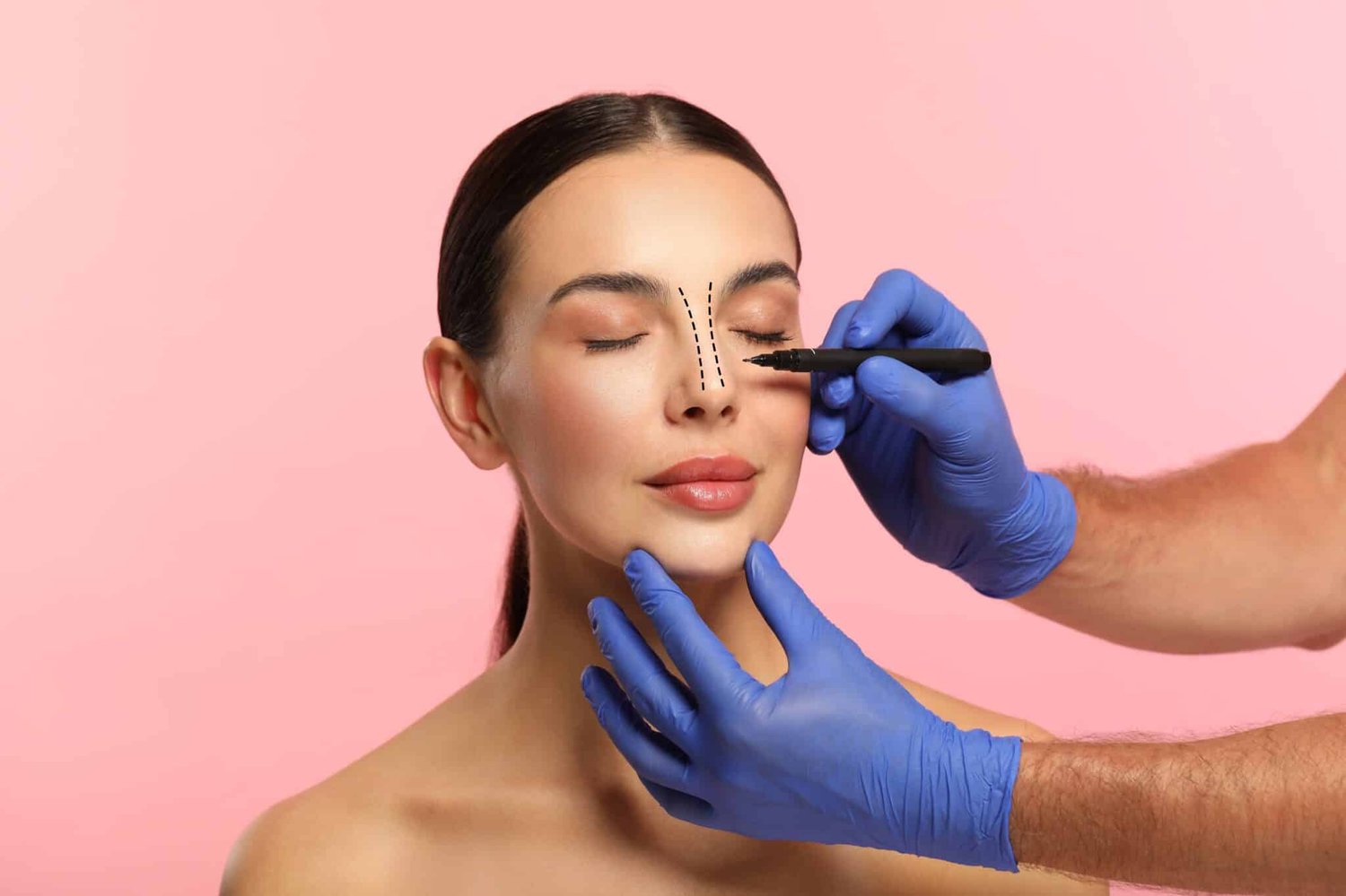
Understanding Rhinoplasty and Its Purpose
Choosing to undergo nose reshaping is a personal decision that requires careful consideration, realistic expectations, and a clear understanding of the procedure. Rhinoplasty in Riyadh is a topic of interest for individuals who want to explore ways to improve nasal appearance, address certain structural concerns, or achieve better facial harmony. Rhinoplasty is a surgical procedure that changes the shape or structure of the nose according to an individual's anatomy and treatment goals.
The nose plays an important role in facial balance, so even small changes may influence overall appearance. Some people consider rhinoplasty because they are concerned about the shape of the nasal bridge, the width of the nose, the appearance of the nasal tip, or asymmetry. Others may seek an evaluation because structural problems affect nasal breathing. Understanding the difference between cosmetic and functional goals can help individuals have more productive discussions with a qualified surgeon.
Before making a decision, it is important to recognize that rhinoplasty is not a one-size-fits-all procedure. Each nose has distinct anatomical characteristics, and the most appropriate approach depends on the patient's needs, health, and expectations. A professional consultation can help determine whether surgery is suitable and explain the potential benefits, limitations, and risks.
Factors to Consider Before Rhinoplasty
Personal Goals and Desired Results
The first consideration when exploring Rhinoplasty in Riyadh is identifying what you hope to achieve. Some individuals want a more balanced nasal profile, while others are interested in refining the nasal tip or improving the relationship between the nose and other facial features. Having a clear understanding of your concerns makes it easier to discuss possible outcomes during a consultation.
It is important to focus on improvements that complement your natural features rather than expecting a completely different appearance. A qualified surgeon can assess your facial proportions and explain which changes may be realistic. Photographs and examples can help communicate preferences, but they should be treated as references rather than guarantees of a particular result.
Choosing a Qualified and Experienced Surgeon
A surgeon's qualifications and experience are among the most important considerations before undergoing rhinoplasty. Patients should verify the surgeon's professional registration, relevant specialist training, and experience with nasal surgery. In Saudi Arabia, checking the appropriate professional credentials and licensing can help patients make informed decisions about their care.
Experience with different nasal structures and surgical techniques can also be valuable. During a consultation, ask how the surgeon approaches your specific concerns, what limitations may affect your results, and how potential complications are managed. Clear, balanced explanations are important because responsible medical advice should include both expected benefits and possible risks.
Communication also matters. A suitable surgeon should listen carefully, answer questions in understandable language, and avoid promising perfect or guaranteed results. Feeling comfortable discussing concerns can help you make a decision based on reliable information rather than pressure or unrealistic expectations.
Understanding Available Rhinoplasty Techniques
Rhinoplasty techniques vary according to nasal anatomy, the complexity of the planned changes, and whether the procedure addresses cosmetic concerns, functional problems, or both. Open rhinoplasty involves a small incision across the columella, the tissue between the nostrils, allowing the surgeon to access underlying structures. Closed rhinoplasty uses incisions inside the nostrils, which may be appropriate for selected cases.
Neither technique is automatically better for every patient. The decision depends on the structural changes required and the surgeon's assessment. Some procedures focus on the nasal bridge, while others involve cartilage reshaping, tip refinement, or structural support.
People researching Rhinoplasty in Riyadh should also understand that revision rhinoplasty, which addresses concerns following previous nasal surgery, can be more complex than an initial procedure. It may require additional planning because the available cartilage and existing nasal structure can be affected by earlier surgery.
Nasal Breathing and Functional Concerns
Although rhinoplasty is often associated with cosmetic improvement, nasal structure can also influence breathing. A deviated septum, internal narrowing, or certain structural abnormalities may contribute to breathing difficulties. In suitable cases, a surgeon may discuss combining cosmetic rhinoplasty with functional procedures, depending on the findings of a medical examination.
Patients who experience persistent nasal obstruction should describe their symptoms during the consultation. The surgeon may recommend an examination of the nasal passages or referral to an appropriate specialist to identify the cause. Not every breathing problem requires rhinoplasty, and cosmetic surgery alone does not necessarily resolve functional symptoms.
Understanding these distinctions helps patients choose an approach that reflects their actual needs. A treatment plan should be based on a medical assessment rather than assumptions about what surgery can correct.
Understanding the Risks and Limitations
Possible Surgical Complications
Like other surgical procedures, rhinoplasty carries potential risks. These may include bleeding, infection, reactions to anesthesia, scarring, prolonged swelling, changes in skin sensation, and dissatisfaction with the aesthetic outcome. Some patients may experience persistent breathing difficulties or require additional surgery.
The likelihood and nature of complications vary according to individual health, nasal anatomy, surgical complexity, and other factors. Patients should ask their surgeon to explain the risks relevant to their circumstances and how complications would be addressed.
It is also important to understand that the final appearance cannot be predicted with complete certainty. Healing varies between individuals, and subtle differences in swelling or tissue response can influence the outcome. An informed decision involves considering these uncertainties alongside the potential benefits.
Realistic Expectations and Facial Harmony
Realistic expectations are essential when considering nasal reshaping. The aim is generally to create a result that suits the patient's facial proportions and addresses agreed treatment goals. However, surgery cannot guarantee perfect symmetry or reproduce another person's nose exactly.
Facial anatomy, skin thickness, cartilage strength, and healing characteristics can affect the achievable result. For example, thicker nasal skin may make some forms of tip definition more difficult to achieve, while changes to structural support may influence the final shape.
Patients should discuss what can reasonably be achieved and what limitations may remain. A careful consultation can help establish shared expectations and reduce the likelihood of misunderstanding about the outcome.
Preparing for Rhinoplasty in Saudi Arabia
Medical Assessment and Consultation
Anyone researching Rhinoplasty in Saudi Arabia should begin with a comprehensive medical consultation. The surgeon will typically review medical history, previous procedures, medications, allergies, nasal symptoms, and relevant lifestyle factors. A physical examination helps assess the external shape of the nose and its internal structure.
Patients should disclose all medications and supplements they use, along with any history of bleeding problems, anesthesia reactions, or other relevant health concerns. The medical team can then determine whether additional assessment is necessary and provide individualized instructions before surgery.
This appointment is also an opportunity to discuss the procedure, anesthesia, expected recovery, follow-up schedule, and potential need for future treatment. Written information and sufficient time to consider the options can support informed decision-making.
Preoperative Instructions and Planning
Preparation depends on the individual's medical circumstances and the planned procedure. The surgical team may provide instructions regarding medications, smoking, fasting, and arrangements for transportation after surgery. These instructions should be followed carefully, and patients should not stop prescribed medication without guidance from their healthcare professional.
Practical planning is equally important. Patients may need time away from work, assistance with daily activities during the initial recovery period, and access to follow-up appointments. Arranging these details beforehand can make recovery more manageable.
People travelling to Riyadh or another city for treatment should consider how long they need to remain nearby for postoperative assessment. Travel plans should be discussed with the surgeon, especially when flying soon after surgery, because the appropriate timing depends on the procedure and individual recovery.
Recovery and Aftercare Following Rhinoplasty
What to Expect During Healing
Recovery after rhinoplasty occurs gradually. Swelling, bruising around the eyes, nasal congestion, and mild discomfort may occur during the early postoperative period. The extent of these symptoms varies depending on the procedure and individual healing response.
A splint may be used to support and protect the nose during the initial healing stage. Patients should follow instructions about cleaning, sleeping position, activity restrictions, and any prescribed medication. They should avoid pressing on the nose or participating in activities that could cause accidental injury until their surgeon confirms that these are safe.
Many people return to some routine activities within a couple of weeks, but recovery timelines vary. Residual swelling may continue for months, and subtle changes in nasal definition can take a year or longer to settle, particularly around the tip. Follow-up appointments allow the surgeon to monitor healing and address concerns.
Supporting a Smooth Recovery
Following postoperative instructions is an important part of the treatment process. Patients should attend scheduled reviews, protect the nose from impact, and gradually resume activities according to medical advice. Strenuous exercise and contact sports may need to be avoided for an extended period.
New or worsening symptoms should not be ignored. Heavy bleeding, significant breathing difficulty, fever, increasing redness, severe pain, or sudden changes following an injury warrant prompt medical assessment. The surgical team should explain how to seek urgent assistance if necessary.
Patience is also important during healing. Temporary swelling can make the nose appear different from the expected final result, so patients should avoid judging the outcome too early. Regular communication with the surgeon can help clarify which changes are part of normal recovery and which require further evaluation.
Frequently Asked Questions About Rhinoplasty
1. What Is Rhinoplasty, and Who May Consider It?
Rhinoplasty is surgery that changes the shape or structure of the nose. It may be considered by adults who wish to address specific cosmetic concerns or certain structural problems. Suitability depends on medical health, nasal development, personal goals, and a professional assessment.
2. How Do I Choose a Surgeon for Rhinoplasty in Riyadh?
Look for a properly licensed surgeon with relevant specialist qualifications and experience in nasal surgery. Review the surgeon's approach, ask about risks and expected outcomes, and ensure that the consultation provides clear answers without unrealistic promises.
3. Can Rhinoplasty Improve Nasal Breathing?
It can improve breathing in selected cases when structural problems contribute to obstruction. However, the appropriate treatment depends on the underlying cause. A medical examination is necessary to determine whether rhinoplasty or another procedure may be suitable.
4. How Long Does It Take to Recover From Rhinoplasty?
Initial recovery often takes a couple of weeks, although individual timelines vary. Bruising and noticeable swelling usually improve during the early stages, while subtle swelling and final nasal definition may take a year or longer to settle.
5. Is Rhinoplasty in Saudi Arabia Suitable for Every Nose Shape?
Not every person or nasal concern is suitable for the same procedure. Skin thickness, cartilage structure, facial proportions, health, and personal goals influence the treatment plan. A qualified surgeon can explain realistic options after an examination.
6. What Should I Ask During a Rhinoplasty Consultation?
Ask about the surgeon's qualifications, the recommended technique, realistic outcomes, possible complications, recovery requirements, follow-up care, and whether the procedure may affect breathing. You should also understand what happens if the result differs from expectations.
Conclusion
Exploring Rhinoplasty in Riyadh requires thoughtful preparation, reliable medical information, and a clear understanding of personal goals. Choosing a qualified surgeon, understanding available techniques, considering functional concerns, and learning about potential complications can help patients approach the decision with greater confidence. Realistic expectations and careful attention to recovery are equally important because nasal healing takes time and outcomes differ between individuals.
For those researching Rhinoplasty in Saudi Arabia, a professional consultation is the best starting point for understanding individual suitability and treatment options. Patients should take time to evaluate their choices, verify credentials, ask questions, and make decisions without feeling rushed. Enfield Royal Clinic Saudi may be one of the providers to research when exploring available rhinoplasty services; prospective patients should independently verify its current services, practitioner qualifications, and suitability for their individual needs before proceeding.