
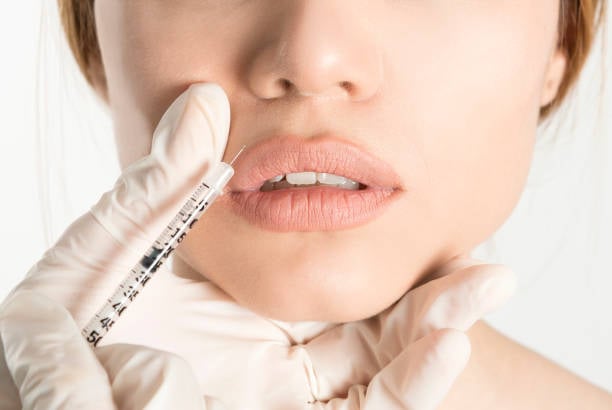
Facial aging is a natural process that can gradually change the appearance of the cheeks, jawline, and neck. Over time, the skin may lose elasticity, facial tissues may shift downward, and excess skin can create jowls along the lower face. Loose neck skin can also contribute to a less defined profile. For individuals exploring Facelift Surgery in Riyadh, understanding how facial rejuvenation procedures address these concerns can help them make informed decisions about their appearance.
Facelift Surgery in Riyadh is a surgical approach designed to improve visible signs of aging in the lower face and, depending on the technique, the neck. The procedure may involve repositioning underlying tissues, removing carefully assessed excess skin, and refining facial contours. The most suitable approach depends on individual anatomy, skin condition, aesthetic goals, and overall health.
Understanding Jowls and Loose Neck Skin
What Causes Jowls to Develop?
Jowls develop when the tissues around the lower cheeks and jawline gradually lose their youthful position and definition. Aging affects collagen and elastin, which help the skin maintain its structure and flexibility. Changes in deeper facial tissues and fat distribution can also contribute to sagging along the jawline.
Genetics, sun exposure, smoking, and fluctuations in body weight may influence how early these changes become noticeable. Although skincare products can support skin health, they generally cannot reposition significantly descended facial tissues or remove substantial excess skin.
Why Does Neck Skin Become Loose?
Loose neck skin can result from reduced elasticity, changes in underlying fat, and weakening of the platysma muscle, which extends across the front of the neck. These changes may create horizontal neck lines, vertical muscle bands, or a less distinct angle between the chin and neck.
In some individuals, the main concern is excess skin, while others experience muscle banding or fat accumulation beneath the chin. Identifying the primary cause is important because different concerns may require different treatments.
How Facelift Surgery in Riyadh Addresses Jowls
Repositioning Underlying Facial Tissues
A facelift is designed to improve facial contours by addressing changes in the tissues beneath the skin. Depending on the surgical technique, the surgeon may reposition and support the superficial musculoaponeurotic system (SMAS), a layer of tissue associated with facial support and movement.
Improving the position of these tissues can help soften jowls and create a more defined transition between the cheeks and jawline. Rather than relying exclusively on skin tightening, appropriate surgical techniques aim to address deeper structural changes that contribute to facial sagging.
The exact method varies according to the individual's anatomy and the surgeon's assessment. A consultation helps determine whether a conventional facelift, a deep plane approach, or another technique may be appropriate.
Improving Jawline Definition
Jowls can obscure the natural outline of the jaw, making the lower face appear heavier or less defined. By repositioning facial tissues and removing suitable amounts of excess skin, facelift surgery may improve the appearance of the jawline.
The goal is to create a smoother, more balanced facial contour without making the face appear unnaturally tight. A successful treatment plan considers the relationship between the cheeks, chin, jaw, and neck rather than focusing on one isolated area.
Results depend on skin quality, facial structure, the degree of sagging, and the surgical approach. Patients should understand that surgery can improve visible signs of aging but cannot stop the aging process entirely.
How Facelift Surgery in Riyadh Addresses Loose Neck Skin
Removing Excess Skin
When loose skin contributes significantly to neck sagging, a facelift that includes appropriate neck treatment may help create a smoother appearance. The surgeon carefully assesses how much skin can be removed while maintaining a natural-looking result and avoiding excessive tension on the incisions.
Incisions are commonly placed around the ears and may extend into the hairline or other suitable areas, depending on the technique. Their placement is planned to help conceal scars within natural contours, although scars remain a possibility and can vary between individuals.
Not every facelift automatically includes a comprehensive neck lift. Patients with substantial neck laxity may benefit from a combined procedure, depending on their anatomy and treatment goals.
Addressing Neck Muscle Bands
Vertical bands in the neck can become more prominent as the platysma muscle changes with age. When these bands are a major concern, a neck lift may involve tightening or adjusting the muscle through an appropriate surgical approach.
Treating the muscle can improve neck contours when muscle separation contributes to the appearance of aging. However, skin removal alone may not adequately address prominent muscle bands, which is why careful assessment is essential.
For individuals considering Facelift Surgery in Riyadh, discussing both skin laxity and underlying muscle changes can help clarify whether a facelift alone or a combined facelift and neck lift is more appropriate.
Types of Facelift Procedures Available
Traditional Facelift
A traditional facelift may be suitable for people with moderate to significant sagging around the cheeks, jawline, and lower face. Depending on the surgical plan, it can address underlying tissues and excess skin to improve facial contours.
The procedure may also be combined with neck rejuvenation when loose neck skin or muscle banding contributes to the patient's concerns. The extent of treatment depends on the individual's needs and medical suitability.
Deep Plane Facelift
A deep plane facelift works with deeper facial tissue layers to reposition descended structures. In selected patients, this approach may improve pronounced cheek sagging, deep folds, and jowls while supporting natural-looking facial contours.
It is a technically demanding procedure and is not automatically the best option for everyone. The surgeon's experience, the patient's anatomy, and the expected benefits and risks should guide the decision.
Mini Facelift
A mini facelift generally involves a more limited surgical approach and may suit individuals with relatively mild sagging concentrated around the lower face. It typically addresses a narrower area than a traditional facelift.
Because its scope is limited, it may not adequately correct significant loose neck skin or prominent neck muscle bands. Patients should discuss the procedure's limitations before choosing it as an alternative to a more comprehensive operation.
Who May Be Suitable for Facelift Surgery?
Evaluating Individual Needs
People experiencing visible jowls, sagging cheeks, or loose neck skin may consider facial rejuvenation surgery if these changes affect their appearance and they want a longer-lasting improvement than nonsurgical treatments generally provide.
Suitable candidates are typically in good overall health, understand the limitations of surgery, and have realistic expectations. Chronological age alone does not determine suitability; facial anatomy, tissue condition, medical history, and personal goals are important considerations.
A qualified plastic surgeon should review relevant medical conditions, medications, smoking history, and previous cosmetic procedures before recommending treatment.
When Nonsurgical Treatments May Be Considered
Nonsurgical options, including certain energy-based skin-tightening treatments and injectable procedures, may help selected patients with mild concerns. However, their effects vary, and they generally cannot remove substantial excess skin or reposition significantly descended facial tissues to the same extent as surgery.
A professional assessment can help establish whether nonsurgical treatment is reasonable or whether surgery better matches the patient's goals. Patients should receive balanced information about expected results, limitations, recovery, and potential complications before making a decision.
Recovery After Facelift Surgery in Riyadh
The Initial Healing Period
Recovery varies depending on the procedure's extent, individual healing, and whether a neck lift is performed at the same time. Swelling, bruising, temporary numbness, tightness, and discomfort can occur during the early recovery period.
Patients should follow their surgeon's instructions for wound care, sleeping position, activity restrictions, and follow-up visits. Strenuous exercise and heavy lifting are generally restricted until the surgeon confirms that these activities can safely resume.
It is also important to attend scheduled follow-up appointments so the surgical team can monitor healing and identify complications promptly.
When Results Become Noticeable
Initial changes may be visible after surgery, but swelling can temporarily obscure the final contours. As healing progresses, the jawline and neck may appear more defined, with results becoming clearer over subsequent weeks and months.
Scars also continue to mature over time. Their appearance depends on individual healing, incision placement, skin characteristics, and adherence to postoperative instructions.
Although facelift results can last for years, natural aging continues. Sun protection, avoiding smoking, and maintaining a stable weight can support overall skin health, but they cannot guarantee a particular result or prevent future changes.
Risks and Safety Considerations
Like other surgical procedures, a facelift carries potential risks, including bleeding, infection, fluid accumulation, scarring, delayed healing, changes in sensation, asymmetry, and complications related to anesthesia. Rarely, nerve injury or skin-healing problems may occur.
Choosing a suitably qualified and experienced plastic surgeon is important for assessing these risks and planning treatment. Patients should confirm the surgeon's credentials, discuss the proposed technique, understand the recovery requirements, and ask how complications would be managed.
A thorough consultation should include an honest discussion of likely benefits, limitations, alternatives, and the possibility that additional treatment may be needed. No surgical procedure can guarantee perfect symmetry or completely eliminate every sign of aging.
Frequently Asked Questions
What Does Facelift Surgery in Riyadh Treat?
Facelift Surgery in Riyadh primarily addresses sagging facial tissues, jowls, and excess skin around the lower face. When appropriate, it may be combined with neck lift surgery to improve loose neck skin and selected muscle-related concerns.
Can Facelift Surgery Remove Jowls Permanently?
A facelift can significantly improve jowls by repositioning underlying tissues and removing suitable excess skin. However, aging continues after surgery, so some changes may gradually return over time.
Is a Neck Lift Necessary Alongside a Facelift?
Not everyone needs a separate neck lift. The decision depends on the amount of loose neck skin, the presence of muscle bands, and the relationship between the jawline and neck. A consultation can establish the appropriate treatment plan.
How Long Does Recovery From Facelift Surgery Take?
Initial recovery commonly takes a few weeks, although swelling, numbness, and scar maturation can continue for longer. Recovery timelines vary according to the procedure and individual healing, so patients should follow their surgeon's guidance.
What Is the Difference Between a Facelift and a Mini Facelift?
A traditional facelift generally addresses more extensive facial sagging, while a mini facelift uses a more limited surgical approach. A mini facelift may be unsuitable for people with significant neck laxity or pronounced muscle bands.
How Can Patients Explore Facelift Surgery in Saudi Arabia?
Patients researching Facelift Surgery in Saudi Arabia should seek a consultation with a qualified plastic surgeon who can assess their anatomy, medical history, expectations, and treatment options. They should also review potential risks, recovery requirements, and realistic outcomes before proceeding.
Conclusion
Jowls and loose neck skin can change the definition of the lower face, but the appropriate treatment depends on the underlying causes and the degree of tissue sagging. Facelift Surgery in Riyadh may improve the jawline and lower facial contours by repositioning deeper tissues and addressing excess skin. When neck laxity or muscle bands are also present, combining a facelift with a neck lift may provide a more comprehensive approach.
Individuals considering Facelift Surgery in Saudi Arabia should prioritize a personalized assessment, qualified surgical expertise, realistic expectations, and careful postoperative care. For those researching available options, Enfield Royal Clinic Saudi can be a starting point for learning about facial rejuvenation services and arranging a consultation to discuss individual concerns, suitability, and treatment choices.