
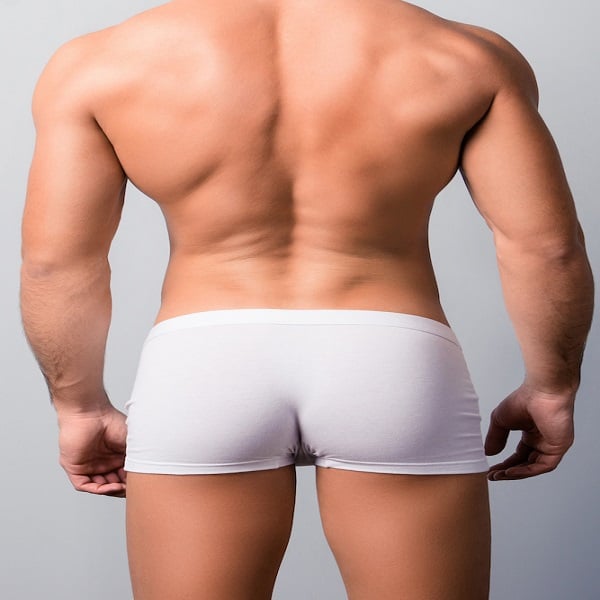
Excess fat around the buttocks is a common concern for men who want a leaner appearance and better overall body composition. Although fat distribution varies from person to person, a combination of balanced nutrition, regular exercise, and sustainable lifestyle habits can help reduce overall body fat. Understanding how fat loss works is essential for developing realistic expectations and choosing effective strategies.
Men in Riyadh who want to improve their body shape may also explore professional guidance about fitness, nutrition, and body contouring options. However, the most suitable approach depends on individual goals, health conditions, and the amount of excess fat present.
Understanding Butt Fat in Men
Butt fat refers to the fat stored around the gluteal region, including the buttocks and surrounding hips. This fat is influenced by genetics, hormones, body composition, and lifestyle habits. Some men naturally store more fat in their lower body, while others accumulate it primarily around their abdomen.
Although having fat around the buttocks is normal, excess body fat may affect an individual's preferred appearance or clothing fit. The important consideration is whether the goal involves general weight loss, improved muscle definition, or a change in body proportions.
Common Causes of Excess Butt Fat
Several factors can contribute to fat accumulation around the buttocks. Understanding these influences can help men choose appropriate strategies for improving their body composition.
- Genetics: Genetic factors influence where the body stores fat and how readily certain areas change during weight loss.
- Excess calorie intake: Consistently consuming more calories than the body uses can contribute to increased body fat.
- Physical inactivity: Spending long periods sitting and engaging in limited physical activity may make weight management more challenging.
- Hormonal changes: Hormones influence fat distribution, although individual patterns vary considerably.
- Age: Changes in muscle mass, activity levels, and metabolism can affect body composition over time.
How to Lose Butt Fat For Men in Riyadh
Men searching for how to Lose Butt Fat For Men in Riyadh should understand that reducing fat from one specific body part through exercise alone is not possible. Targeted exercises can strengthen the gluteal muscles, but they do not selectively burn the fat covering those muscles.
A more effective strategy combines a modest calorie deficit, strength training, cardiovascular exercise, and consistent lifestyle habits. This approach supports gradual overall fat loss while helping preserve muscle mass.
Follow a Balanced, Nutrient-Rich Diet
Nutrition plays an important role in managing body fat. Rather than following restrictive diets, men should focus on balanced meals that provide sufficient protein, fiber, healthy fats, vitamins, and minerals.
Protein-rich foods can support muscle maintenance during weight loss, while vegetables, fruits, whole grains, and legumes provide fiber and essential nutrients. Appropriate portion sizes can also help maintain a manageable calorie intake.
Practical dietary habits include:
- Choosing lean protein sources such as eggs, fish, chicken, beans, and lentils.
- Eating vegetables and fruits regularly.
- Replacing sugary drinks with water or unsweetened alternatives.
- Limiting frequent consumption of highly processed, calorie-dense foods.
- Maintaining consistent eating habits instead of relying on extreme restrictions.
Men living in Riyadh can adapt these recommendations to local meals by choosing balanced portions of grilled protein, vegetables, whole grains, and other nutritious foods.
Incorporate Cardiovascular Exercise
Cardiovascular activity helps increase energy expenditure and supports cardiovascular health. Walking, cycling, swimming, and jogging are practical options for men who want to improve fitness while working toward a healthy body weight.
Beginners can start with manageable sessions and gradually increase their activity. Regular brisk walking is particularly useful because it requires little equipment and can fit into many daily routines.
The goal is consistency rather than exhausting workouts. Combining enjoyable activities with a realistic schedule can make it easier to maintain an active lifestyle over time.
Build Muscle With Strength Training
Strength training helps preserve and develop muscle during fat loss. Exercises that engage the lower body can improve strength, stability, and muscle definition, even though they cannot specifically eliminate butt fat.
Useful exercises include squats, lunges, step-ups, Romanian deadlifts, and glute bridges. Upper-body exercises can also contribute to a balanced physique.
Men should select exercises appropriate to their fitness level and use correct technique. Gradually increasing resistance, allowing sufficient recovery, and training all major muscle groups can support long-term progress.
Prioritize Sleep and Recovery
Sleep and recovery are important parts of an effective fitness routine. Inadequate sleep can influence appetite, energy levels, and the ability to recover from exercise.
Most adults should aim for seven to nine hours of sleep each night. Maintaining a regular sleep schedule, limiting late-night caffeine, and creating a comfortable sleeping environment may help improve sleep quality.
Rest days are also valuable because they allow muscles to recover between demanding workouts. Sustainable progress depends on balancing activity with adequate recovery.
Can Men Reduce Butt Fat Without Surgery?
Many men can reduce overall body fat through nutrition, exercise, and lifestyle changes without undergoing surgery. The amount of fat lost from the buttocks depends on genetics, starting body composition, and individual fat distribution.
It is important to distinguish between fat loss and muscle development. Losing body fat may reduce the size of the buttocks, while strengthening the gluteal muscles can influence their firmness and shape.
Men should avoid products or programs promising rapid, targeted fat removal. Waist trainers, topical creams, and exercises advertised as guaranteed butt-fat burners generally cannot selectively remove fat from this area.
A healthcare professional or qualified fitness specialist can help establish realistic goals, particularly for men who have medical conditions, persistent weight-management difficulties, or concerns about unusual changes in body shape.
Understanding Fat Transfer Surgery in Saudi Arabia
Fat Transfer Surgery in Saudi Arabia is a body-contouring procedure in which fat is removed from one area of the body, processed, and transferred to another area to add volume or improve contours. Unlike weight-loss treatments, fat transfer is primarily intended to change body shape rather than produce substantial overall weight reduction.
For men concerned about excess buttock fat, it is important to understand that fat transfer does not simply remove fat from the buttocks. The procedure involves transferring fat to a selected treatment area, and its suitability depends on the individual's anatomy and aesthetic goals.
How Fat Transfer Surgery Works
Fat transfer generally involves three main stages: harvesting fat through liposuction, processing the collected fat, and injecting the prepared fat into the intended area.
The procedure may be considered by individuals seeking a change in body contours. However, the results vary, and some transferred fat may be reabsorbed by the body.
Potential risks include infection, bleeding, irregular contours, fat necrosis, and complications associated with anesthesia. The specific risks depend on the procedure and treatment area. Men considering this option should discuss the benefits, limitations, alternatives, and recovery requirements with a qualified plastic surgeon.
Is Fat Transfer Suitable for Every Man?
Fat transfer is not appropriate for everyone. Suitability depends on factors such as general health, available donor fat, medical history, skin characteristics, and desired results.
Men whose primary goal is to reduce buttock size may need a different approach from those who want to increase volume in another area. A qualified surgeon can explain which procedures, if any, are appropriate.
Individuals should seek transparent information about professional qualifications, safety protocols, expected outcomes, and follow-up care before making a decision. Surgery should never be viewed as a substitute for healthy lifestyle habits or as a guaranteed method of achieving a particular body shape.
How to Maintain a Leaner Body Composition
Maintaining a leaner physique requires habits that can be sustained over time. Rapid weight-loss methods may be difficult to maintain and can contribute to muscle loss or nutritional deficiencies.
Men should focus on gradual progress, regular physical activity, balanced meals, and realistic fitness goals. Tracking changes in strength, endurance, energy levels, and clothing fit can provide useful feedback beyond the number on the scale.
It is also important to recognize that a healthy body does not have to conform to a specific shape. Genetics influence natural body proportions, and the goal should be to improve health and confidence without pursuing unrealistic standards.
Conclusion
Reducing excess butt fat in men involves understanding how fat distribution works and adopting a consistent approach to overall fat loss. Balanced nutrition, cardiovascular activity, strength training, adequate sleep, and sustainable habits can help improve body composition over time. Although Fat Transfer Surgery in Saudi Arabia may be relevant for selected body-contouring goals, it is not a direct solution for losing butt fat and requires careful professional assessment. Men seeking information about aesthetic treatments and body-contouring options can explore educational resources from Enfield Royal Clinic Saudi while consulting appropriately qualified healthcare professionals to determine which options best suit their individual needs.
Frequently Asked Questions
1. How Can Men Lose Butt Fat Naturally?
Men can work toward reducing butt fat by maintaining a moderate calorie deficit, eating balanced meals, performing cardiovascular exercise, and following a regular strength-training routine. Fat loss occurs throughout the body rather than exclusively in the buttocks.
2. Which Exercises Help Men Reduce Butt Fat?
Walking, cycling, swimming, squats, lunges, and other strength-training exercises can support overall fat loss and muscle development. However, no exercise can guarantee fat reduction in one specific body area.
3. How Long Does It Take to Reduce Butt Fat?
The timeline varies according to starting body composition, genetics, diet, physical activity, and consistency. Gradual progress over several weeks or months is generally more sustainable than attempting rapid weight loss.
4. Can Fat Transfer Surgery in Saudi Arabia Help Men Lose Butt Fat?
Fat transfer is designed to move fat from one body area to another, not to remove fat specifically from the buttocks as a weight-loss treatment. Men should discuss their goals with a qualified plastic surgeon to understand suitable options.
5. Is Fat Transfer Surgery Safe for Men?
Fat transfer carries potential risks, including infection, bleeding, contour irregularities, and complications related to anesthesia. Safety depends on the treatment area, the patient's health, and the surgical approach. A qualified surgeon should explain the risks and appropriate precautions.
6. Should Men Choose Exercise or Cosmetic Treatment for Body Contouring?
The choice depends on the individual's goals. Exercise and nutrition are appropriate starting points for improving overall body composition, while cosmetic procedures may be considered for specific contouring concerns. A qualified healthcare professional can explain the available options and their limitations.