
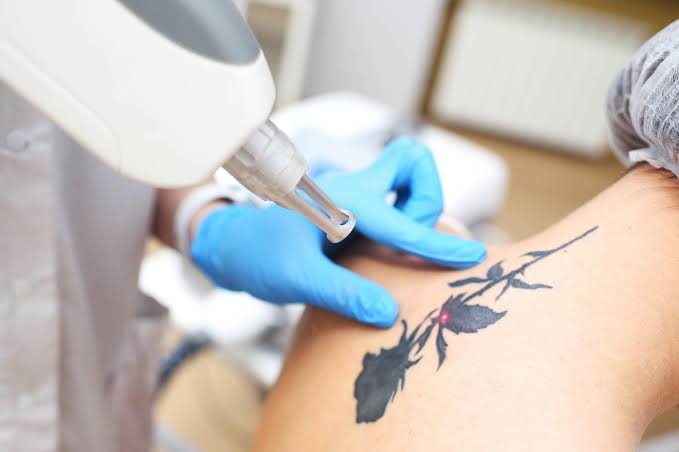
Tattoos can be meaningful expressions of personality, memories, creativity, or personal experiences. However, preferences and circumstances can change over time. A design that once felt important may no longer reflect your lifestyle, professional goals, or personal identity. In such situations, removing unwanted ink may become a consideration. Laser Tattoo Removal in Riyadh (إزالة الوشم بالليزر في الرياض) is an option for individuals who want to reduce the appearance of tattoos through modern laser technology.
Deciding when to remove a tattoo requires careful consideration of your skin condition, tattoo characteristics, personal expectations, and overall suitability for treatment. Some people consider removal because of faded artwork, changing preferences, or dissatisfaction with an existing design. Others may want to prepare their skin for a new tattoo or address unwanted ink in a visible area.
Understanding the appropriate time to consider laser treatment can help you make an informed decision. Exploring Laser Tattoo Removal in Saudi Arabia also provides useful information about available techniques, treatment preparation, recovery, and factors that influence results.
When Does Tattoo Removal Become Worth Considering?
There is no single situation in which everyone should consider tattoo removal. The decision usually depends on personal preferences and how comfortable someone feels with their existing tattoo.
Some individuals gradually lose interest in their tattoo, while others experience changes in their professional or personal circumstances. A tattoo may also become less attractive because of fading, changes in skin texture, or an outdated design.
If you regularly feel uncomfortable about a particular tattoo, exploring removal options may be worthwhile. A professional consultation can help determine whether laser treatment is appropriate for your needs.
When Your Tattoo No Longer Reflects Your Personality
Personal interests and lifestyles naturally evolve. A tattoo representing an earlier stage of life may no longer match your current identity or preferences.
Some people consider removal when they want their appearance to reflect their present lifestyle. Laser technology may help gradually break down unwanted tattoo pigment, making the design less visible over time.
When You Regret an Old Tattoo Design
Tattoo regret is a common reason people explore removal treatments. A design that seemed attractive years ago may become undesirable because of changing tastes, poor artwork, or personal experiences.
If you feel dissatisfied with an existing tattoo, professional assessment can help you understand whether laser treatment may improve its appearance.
When Should You Consider Laser Tattoo Removal for Faded Tattoos?
Tattoos naturally change in appearance as time passes. Sun exposure, skin ageing, and the original tattooing technique can influence how the ink looks.
Some tattoos become lighter or less defined, while others retain noticeable pigmentation for many years. Although fading may make a tattoo appear less prominent, it does not necessarily mean that the remaining ink will disappear naturally.
Laser Tattoo Removal in Riyadh may be considered when faded tattoos continue to affect your appearance or when you want to reduce their visibility further.
When Tattoo Colours Become Uneven
Different ink colours can respond differently to laser treatment. Some pigments are easier to target, while others may require specialised laser wavelengths and additional sessions.
An experienced practitioner can examine the tattoo's colours, depth, and density before recommending an appropriate approach.
When Tattoo Details Become Unclear
Older tattoos may lose their original definition, leaving blurred outlines or uneven pigmentation. If these changes make the design unattractive, laser treatment may be an option worth discussing.
The expected outcome depends on the tattoo's characteristics and individual skin response.
When Professional or Lifestyle Changes Influence Your Decision
Lifestyle changes can influence how comfortable someone feels about visible tattoos. Some individuals work in environments where they prefer a less tattooed appearance, while others simply want a different personal image.
Professional expectations vary between industries, workplaces, and individuals. Therefore, tattoo removal is a personal decision rather than a requirement for professional success.
When You Prefer a More Subtle Appearance
A tattoo on the hands, neck, arms, or other visible areas may attract attention in everyday situations. If you prefer a less noticeable appearance, exploring removal options may help you understand the possibilities.
Laser treatment can gradually reduce unwanted pigmentation, although complete removal cannot be guaranteed.
When Your Personal Preferences Have Changed
Major lifestyle transitions, changing interests, and evolving personal priorities can influence how people view their tattoos.
If an existing design no longer feels appropriate, a consultation can help you explore whether removal or partial fading is more suitable.
How Laser Tattoo Removal Works
Understanding the treatment process is important before deciding when to begin. Laser tattoo removal uses concentrated light energy to target tattoo pigments beneath the skin.
The laser delivers short pulses of energy that are absorbed by selected ink particles. This process breaks the pigment into smaller fragments, which the body's immune system gradually helps clear away.
The treatment is generally performed in multiple sessions because tattoo ink is located at different depths and cannot usually be removed in one appointment.
How Laser Technology Targets Tattoo Pigment
Different laser technologies target specific pigment colours. The selected wavelength depends on the tattoo's ink composition and other individual characteristics.
During treatment, the practitioner adjusts the laser settings according to the tattoo and the patient's skin type. Appropriate settings are important for reducing unnecessary skin irritation and achieving a suitable response.
Why Multiple Treatment Sessions May Be Necessary
Tattoo pigment is distributed within the skin, and each session addresses only part of the remaining ink. The body requires time to process and eliminate fragmented pigment.
The number of sessions varies according to tattoo size, colour, depth, ink density, and individual healing response. Treatment intervals also allow the skin to recover between appointments.
When Is Your Skin Ready for Laser Tattoo Removal?
Skin condition is an important consideration when deciding whether to begin treatment. Healthy skin generally provides a more suitable starting point for laser procedures.
If the tattooed area has an active infection, irritation, open wounds, or another unresolved skin concern, treatment may need to be postponed.
A professional assessment helps identify potential risks and determine the most appropriate timing.
When Your Skin Is Free From Active Irritation
Laser treatment should generally be performed on skin that has recovered from active irritation or injury. Treating compromised skin may increase the possibility of unwanted reactions.
If you experience redness, inflammation, or an existing skin infection, discuss these concerns with a qualified practitioner before scheduling treatment.
When Sun Exposure Is Under Control
Recent tanning and excessive sun exposure can influence skin sensitivity and treatment suitability. Sun-exposed skin may have an increased risk of pigmentation changes following laser procedures.
Following professional advice about sun protection before and after treatment can help support skin recovery.
Factors to Consider Before Starting Tattoo Removal
Choosing the right time involves more than deciding that you no longer want a tattoo. Several factors influence whether laser treatment is suitable and what results may be achievable.
Laser Tattoo Removal in Saudi Arabia involves an individualised approach because tattoos and skin characteristics differ considerably between patients.
Tattoo Size, Colour, and Ink Depth
Larger tattoos may require more treatment time than smaller designs. Similarly, densely packed ink can be more challenging to remove than lightly applied pigment.
Black and dark blue inks often respond more predictably to certain laser wavelengths, while colours such as green, yellow, and some lighter shades may be more difficult to address.
Skin Type and Individual Healing Response
Different skin types can respond differently to laser energy. Skin tone, sensitivity, medical history, and previous reactions to skin treatments should be considered during assessment.
A qualified practitioner can select suitable settings and explain the possible benefits and limitations.
Your Expectations About the Final Results
It is important to understand that tattoo removal does not always result in completely clear skin. Some tattoos fade substantially, while others may leave residual pigment or subtle skin changes.
Realistic expectations help you make a more informed decision about whether treatment meets your goals.
What to Expect During and After Laser Tattoo Removal
Knowing what happens during treatment can make the experience easier to understand. Before beginning, the practitioner examines the tattoo and discusses the treatment approach, expected response, and possible side effects.
During the procedure, protective eyewear is provided, and the laser is directed towards the tattooed area. Patients may experience sensations similar to small elastic-band snaps against the skin.
Temporary redness, swelling, tenderness, and blistering can occur after treatment. These reactions vary between individuals and generally improve as the skin heals.
Understanding the Recovery Period
Recovery is an important part of the tattoo removal process. The treated area may remain sensitive for several days, depending on the intensity of treatment and individual skin response.
Following aftercare instructions helps reduce irritation and supports healing. Keeping the area clean, avoiding unnecessary friction, and protecting the skin from direct sunlight are generally recommended.
Why Aftercare Should Never Be Ignored
Aftercare instructions should be followed carefully to minimise complications. Picking scabs, scratching the treated area, or exposing healing skin to excessive sunlight can interfere with recovery.
If you notice unusual pain, increasing redness, discharge, or signs of infection, contact your healthcare provider for assessment.
Conclusion
Deciding when to remove an unwanted tattoo depends on your personal preferences, skin condition, tattoo characteristics, and expectations. Whether you regret an old design, want to reduce visible ink, or feel that your tattoo no longer represents your personality, understanding the treatment process can help you make a confident decision.
Laser Tattoo Removal in Riyadh offers an approach to gradually reducing unwanted tattoo pigment through modern laser technology. However, individual results vary, and a professional assessment is essential before starting treatment. Understanding the available options, recovery requirements, and potential limitations can help you choose an appropriate treatment plan.
For individuals exploring professional aesthetic treatment options, Enfield Royal Clinic Saudi can be considered as a place to learn more about available services and consultation opportunities for tattoo removal.
Frequently Asked Questions
1. When Should You Consider Laser Tattoo Removal in Riyadh?
You may consider laser tattoo removal when you no longer like your tattoo, want to reduce unwanted ink, or prefer a different appearance. A professional consultation can determine whether your skin and tattoo are suitable for treatment.
2. Is Laser Tattoo Removal in Saudi Arabia Suitable for Old Tattoos?
Yes, old tattoos may be suitable for laser removal. However, their response depends on ink depth, colour, density, and skin characteristics. Older tattoos sometimes contain less concentrated pigment, but this does not guarantee easier removal.
3. How Many Sessions Are Required for Laser Tattoo Removal?
The number of sessions varies depending on tattoo size, colour, ink composition, depth, and individual healing response. Multiple appointments are usually necessary, with recovery periods between treatments.
4. Can Laser Tattoo Removal Completely Remove Every Tattoo?
Complete removal is not guaranteed. Some tattoos fade significantly, while others may leave residual pigmentation or subtle skin changes. The expected outcome depends on several individual factors.
5. Is Laser Tattoo Removal Safe for Different Skin Types?
Laser tattoo removal can be performed on different skin types when appropriate technology and settings are selected. However, risks such as pigmentation changes and scarring should be discussed during a professional consultation.
6. What Should You Avoid After Laser Tattoo Removal?
Avoid scratching, picking scabs, excessive sun exposure, and unnecessary friction on the treated area. Follow your practitioner's aftercare instructions and allow the skin sufficient time to heal.