
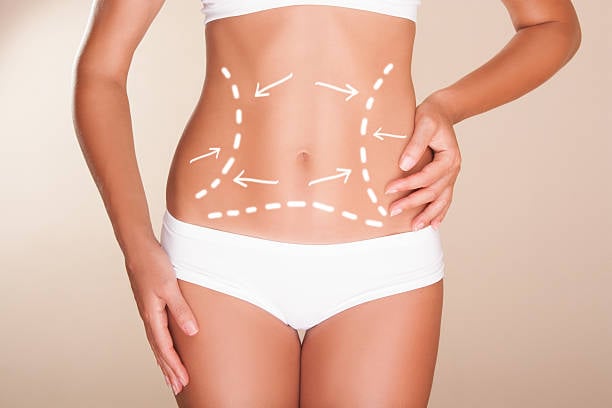
Liposuction is a body-contouring procedure designed to remove localized fat deposits that may remain despite a balanced diet and regular physical activity. With developments in cosmetic surgery, patients exploring liposuction in Riyadh (عملية شفط الدهون في الرياض) can learn about traditional techniques and modern approaches that use different methods to assist fat removal. Understanding these options can help individuals make informed decisions based on their body goals, medical history, and expectations.
In Saudi Arabia, interest in body-contouring treatments has increased awareness of different liposuction methods, including traditional suction-assisted liposuction, ultrasound-assisted techniques, and laser-assisted procedures. Each approach has specific characteristics, potential benefits, and limitations. Learning how these techniques differ is an important step before consulting a qualified plastic surgeon.
Understanding Traditional Liposuction Techniques
Traditional liposuction, often called suction-assisted liposuction (SAL), is an established surgical technique used to remove excess subcutaneous fat. The procedure typically involves making small incisions, inserting a thin tube called a cannula, and using suction to remove targeted fat deposits.
The surgeon moves the cannula carefully through the treatment area to help break up and extract fat. The procedure may be performed under general or local anesthesia, depending on the treatment plan, the amount of fat being removed, and the patient's medical circumstances.
Traditional liposuction remains relevant because it has a long history of clinical use and can address different areas of the body. However, it is a surgical procedure that requires appropriate patient selection, sterile conditions, and professional postoperative care.
Common Areas Treated With Traditional Liposuction
Traditional liposuction can be used to contour several areas where localized fat accumulates. Treatment suitability depends on anatomy, skin elasticity, and overall health.
Common treatment areas include:
- The abdomen and waistline.
- The hips and flanks.
- The thighs and upper arms.
- The back and lower back.
- The chin and neck, when appropriate.
Liposuction is intended to improve body contours rather than serve as a primary weight-loss treatment. It does not remove visceral fat surrounding internal organs, and it cannot guarantee perfectly symmetrical results.
Exploring Modern Liposuction Techniques
Modern liposuction includes approaches that use additional technologies to assist fat removal. These methods may involve ultrasound energy, laser energy, or powered cannulas. Although the equipment differs, the primary goal remains the removal of selected subcutaneous fat deposits and the improvement of body contours.
Patients researching liposuction Surgery in Saudi Arabia may encounter several technique names. Understanding what these terms mean can help separate established medical procedures from promotional claims.
Ultrasound-Assisted Liposuction
Ultrasound-assisted liposuction, commonly associated with VASER technology, uses ultrasound energy to help separate fat cells from surrounding tissues before suction removal. The technique may be considered for selected body-contouring procedures, including areas where more detailed sculpting is desired.
The ultrasound component can help facilitate fat extraction, but it does not eliminate the risks associated with surgery. Outcomes depend on the surgeon's experience, treatment area, patient characteristics, and postoperative healing.
Laser-Assisted Liposuction
Laser-assisted liposuction uses laser energy delivered through a small fiber beneath the skin to heat and disrupt fat tissue before it is removed. Some systems are also promoted for their potential effects on collagen-related skin tightening, although the degree of improvement varies between individuals.
Laser-assisted treatment is not automatically safer or more effective than traditional liposuction. Patients should ask about the specific device, the surgeon's training, possible thermal injury, and whether the method suits their skin quality and treatment goals.
Power-Assisted Liposuction
Power-assisted liposuction uses a mechanically vibrating cannula to help loosen fat during extraction. The powered movement can reduce the amount of manual effort required from the surgeon and may be useful when treating larger areas or fibrous tissue.
Despite the technological assistance, power-assisted liposuction remains an invasive surgical procedure. The surgeon must control the instrument carefully and consider the same fundamental safety principles that apply to other liposuction techniques.
Traditional vs. Modern Liposuction: Key Differences
The main distinction between traditional and modern liposuction lies in how fat is loosened and extracted. Traditional liposuction relies primarily on manual cannula movement and suction, while modern methods may incorporate ultrasound, laser energy, or mechanical assistance.
Traditional techniques may be suitable for a broad range of body-contouring needs. Technology-assisted methods can offer particular advantages in selected circumstances, but their usefulness depends on the treatment area, the amount and consistency of fat, and the surgeon's expertise.
There is no single technique that is best for every patient. Someone considering liposuction in Riyadh should receive an individualized assessment rather than choose a procedure solely because it is described as advanced or minimally invasive.
Differences in Recovery and Healing
Recovery varies according to the technique used, the size and number of treatment areas, the volume of fat removed, and the patient's general health. Swelling, bruising, tenderness, and temporary changes in sensation can occur after traditional and modern liposuction.
Some technology-assisted methods may make fat extraction easier in selected cases, but they do not guarantee shorter recovery. Laser and ultrasound energy can introduce additional risks, including heat-related tissue injury.
Patients may be advised to wear compression garments, gradually resume normal activities, and attend follow-up appointments. The treating surgeon should provide specific instructions regarding exercise, wound care, medications, and warning signs that require medical attention.
Benefits and Limitations of Different Liposuction Methods
Both traditional and modern liposuction can help improve body contours by removing localized fat deposits. The most appropriate method depends on the patient's goals and the surgeon's clinical assessment.
Potential Benefits
Liposuction may help refine areas that remain disproportionate despite lifestyle changes. Potential benefits include improved body contour, more defined transitions between body areas, and removal of selected fat deposits.
Modern technologies may offer procedural advantages for certain patients or anatomical areas. For example, ultrasound-assisted methods may help with fibrous fat, while powered cannulas may facilitate extraction. However, these advantages are not universal, and results vary.
Important Limitations and Risks
Liposuction does not treat obesity, replace healthy lifestyle habits, or reliably correct substantial loose skin. Patients with poor skin elasticity may have persistent looseness after fat removal and may need to discuss alternative or additional procedures.
Potential complications include infection, bleeding, fluid accumulation, contour irregularities, asymmetry, prolonged swelling, changes in sensation, and complications related to anesthesia. Rare but serious complications can also occur, including blood clots and injury to deeper structures.
Choosing an appropriately qualified plastic surgeon and an accredited surgical facility is essential. Patients should understand the expected outcome, available alternatives, and the risks associated with the specific technique before providing consent.
Who Is a Suitable Candidate for Liposuction?
A suitable candidate is generally an adult who is in good overall health, maintains a relatively stable weight, and has localized fat deposits that do not respond adequately to diet and exercise. Good skin elasticity can also contribute to a smoother contour after treatment.
During an assessment for liposuction in Riyadh, the surgeon should review the patient's medical history, medications, previous procedures, lifestyle habits, and expectations. Conditions that affect healing or increase surgical risk may require additional evaluation.
A consultation should also establish whether liposuction is likely to address the patient's concerns. Depending on the situation, alternatives such as continued weight management, non-surgical body-contouring treatments, or procedures that address excess skin may be more appropriate.
How to Prepare for Liposuction Surgery in Saudi Arabia
Preparation begins with a comprehensive consultation and a clear understanding of the proposed treatment. The surgeon should explain the technique, anesthesia plan, likely recovery period, expected results, and possible complications.
Patients should disclose all medications, supplements, allergies, and relevant medical conditions. Any changes to medications, including blood-thinning drugs, should be made only under appropriate medical guidance. Smoking cessation may be recommended because smoking can interfere with wound healing.
Before undergoing liposuction Surgery in Saudi Arabia, patients should also plan for transportation after the procedure, assistance during early recovery, and attendance at follow-up appointments. Following preoperative instructions can help reduce avoidable risks and support recovery.
What to Expect After Liposuction
After surgery, some swelling and bruising are expected. The initial appearance may not reflect the final result because tissues need time to heal and swelling gradually subsides. Noticeable changes may develop over several weeks, while final contour improvements can take several months.
Compression garments may be recommended to help manage swelling and support the treated areas. Patients should follow individualized guidance about walking, bathing, returning to work, and resuming exercise rather than relying on a fixed recovery timeline.
Rapidly increasing pain or swelling, fever, spreading redness, chest pain, shortness of breath, or fainting requires prompt medical assessment. Chest pain and breathing difficulties warrant emergency care.
Long-term results depend partly on maintaining a stable weight. Although removed fat cells do not simply return in the same way, remaining fat cells can enlarge with weight gain, potentially changing the body's contours.
Frequently Asked Questions
What Is the Difference Between Traditional and Modern Liposuction?
Traditional liposuction primarily uses a cannula and suction to remove fat. Modern approaches may add ultrasound energy, laser energy, or mechanical assistance. The best option depends on individual anatomy, treatment goals, and the surgeon's assessment.
Is Liposuction in Riyadh Suitable for Weight Loss?
Liposuction is designed to remove localized fat deposits and improve body contours, not to treat obesity or achieve major weight loss. Patients should generally have a relatively stable weight before considering surgery.
Is Laser Liposuction Better Than Traditional Liposuction?
Neither method is universally superior. Laser-assisted liposuction may offer advantages in selected cases, but it also carries specific risks, including heat-related injury. Suitability depends on the patient's needs and the surgeon's experience.
How Long Does Recovery From Liposuction Take?
Recovery varies according to the treatment area, surgical technique, and individual healing. Many patients experience swelling and bruising for several weeks, while final results may take several months to become apparent.
Can Liposuction Remove Abdominal Fat Permanently?
Liposuction removes fat cells from targeted areas, which can provide lasting contour changes if weight remains stable. However, remaining fat cells can enlarge, and liposuction does not remove visceral fat surrounding internal organs.
How Can I Choose a Suitable Liposuction Surgeon in Saudi Arabia?
Look for a properly qualified plastic surgeon with relevant surgical training and experience in the proposed technique. Ask about the procedure's risks, expected results, facility accreditation, postoperative support, and alternative treatments before making a decision.
Conclusion
Traditional and modern liposuction techniques offer different approaches to localized fat removal and body contouring. Understanding their mechanisms, benefits, limitations, and potential complications helps patients make informed decisions based on medical suitability rather than marketing claims. A thorough consultation with a qualified plastic surgeon is essential when exploring liposuction Surgery in Saudi Arabia, as the right technique depends on individual needs and realistic expectations.
For individuals researching liposuction in Riyadh, Enfield Royal Clinic Saudi can be considered as a starting point for learning about available aesthetic treatment options and arranging a professional consultation. Before proceeding, confirm the qualifications of the treating surgeon, the suitability of the proposed procedure, and the safety standards of the facility to ensure that any decision is based on accurate medical information.