
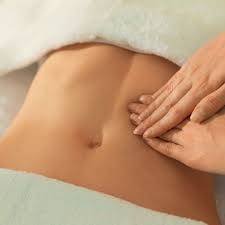
Understanding Lymphatic Massage in Riyadh
Lymphatic Massage in Riyadh is a gentle massage technique designed to support the movement of lymph fluid throughout the body. The lymphatic system plays an important role in maintaining fluid balance, supporting immune function, and transporting waste products away from tissues. When lymph fluid accumulates, some people may experience swelling, heaviness, or discomfort in affected areas.
Lymphatic massage, also known as manual lymphatic drainage, uses slow, light, rhythmic movements to encourage lymph flow toward functioning lymphatic pathways. Unlike traditional massage, which often focuses on muscles and deeper tissues, this technique works with the superficial lymphatic vessels beneath the skin.
Interest in Lymphatic Massage in Saudi Arabia has grown as people seek information about supportive wellness treatments, swelling management, and postoperative care. However, lymphatic massage is not a universal detoxification treatment, and its suitability depends on individual health needs.
How the Lymphatic System Supports Fluid Balance
The Role of Lymph Fluid in the Body
The lymphatic system consists of lymph vessels, lymph nodes, and associated organs that help maintain the body's internal balance. Fluid naturally moves from blood vessels into surrounding tissues. The lymphatic system collects excess fluid and returns it to the bloodstream.
Lymph fluid also carries immune cells and other substances through lymph nodes, where certain foreign particles can be filtered. When this system functions effectively, it helps prevent excessive fluid accumulation in tissues.
When lymphatic drainage becomes impaired, swelling may develop. This can happen because of certain medical conditions, damage to lymphatic vessels, or treatment involving lymph nodes. Understanding these processes helps explain why appropriately selected lymphatic massage may benefit some individuals.
Why Natural Fluid Balance Matters
Maintaining fluid balance supports normal tissue function and physical comfort. Persistent swelling can make movement difficult, cause tightness, and affect daily activities. The underlying cause may involve the lymphatic system, veins, medications, or other health conditions.
Lymphatic massage may form part of a broader management plan for certain types of swelling, particularly lymphedema. It should not replace medical assessment when swelling is unexplained, sudden, painful, or associated with other concerning symptoms.
Benefits of Lymphatic Massage in Riyadh
Supporting Lymphatic Drainage
One of the main purposes of Lymphatic Massage in Riyadh is to assist lymph movement through gentle, controlled techniques. When recommended for an appropriate condition, manual lymphatic drainage may help reduce fluid accumulation and improve comfort.
Its effects vary depending on the cause and severity of swelling. For people with lymphedema, it is commonly considered alongside other treatments, such as compression garments, exercise, skin care, and professional guidance.
Helping Manage Swelling and Heaviness
Some people experience swelling in their arms, legs, or other body areas following surgery or because of an underlying lymphatic condition. When medically appropriate, lymphatic massage may help manage these symptoms as part of a comprehensive care plan.
It is important to distinguish medically related swelling from ordinary fluctuations in body weight or temporary puffiness. Massage does not remove body fat, guarantee weight loss, or permanently eliminate swelling caused by an untreated condition.
Encouraging Relaxation and Comfort
The gentle movements used during lymphatic massage may provide a calming experience. Some individuals find light-touch massage relaxing, especially when it is performed in a comfortable environment by a suitably trained professional.
Relaxation, however, is different from improved lymphatic function. Although a person may feel more comfortable after a session, this does not automatically mean that toxins have been removed or that the immune system has been strengthened.
Lymphatic Massage in Saudi Arabia for Different Needs
Lymphatic Massage for Postoperative Care
Lymphatic massage may be recommended in selected cases after surgery to help manage swelling. Its suitability depends on the procedure performed, the stage of healing, and the individual's medical history.
Anyone considering postoperative lymphatic drainage should first obtain approval from their surgeon or treating healthcare professional. Massage should not be performed over healing incisions or affected tissues unless specifically permitted.
Lymphatic Massage for Lymphedema Management
Lymphedema is a condition involving persistent swelling caused by an impaired lymphatic system. It can develop after certain cancer treatments, lymph node removal, or other forms of lymphatic damage.
Manual lymphatic drainage may be included in a treatment approach supervised by a qualified professional. A complete plan can involve compression, movement, skin care, and education about managing symptoms. The goal is to improve comfort and control swelling rather than provide a permanent cure.
Lymphatic Massage for General Wellness
Some individuals explore lymphatic massage as part of their general wellness routine. Gentle massage may promote relaxation, but healthy people do not necessarily need lymphatic massage to remove toxins or maintain normal fluid balance.
The liver, kidneys, lungs, and other body systems already perform essential processes involved in waste removal. Choosing a massage treatment should therefore be based on realistic expectations and individual needs rather than exaggerated detox claims.
What to Expect During a Lymphatic Massage Session
Initial Assessment and Preparation
Before a session, a qualified practitioner should discuss your health history, current symptoms, medications, and reasons for seeking treatment. This information helps determine whether lymphatic massage is suitable or whether medical assessment is needed first.
If the treatment is intended to address swelling, the practitioner may ask about its location, duration, and any previous diagnosis. For postoperative care, confirmation from the treating surgeon may be necessary.
Gentle Massage Techniques
Manual lymphatic drainage generally involves slow, light, rhythmic movements applied to the skin. The practitioner follows appropriate lymphatic pathways and adapts the technique to the individual's needs.
The treatment should not cause significant pain or involve unnecessarily deep pressure. People should communicate any discomfort during the session and follow the practitioner's advice regarding aftercare and subsequent appointments.
Aftercare and Ongoing Management
After a session, some individuals may notice temporary changes in comfort or swelling, while others may experience little noticeable difference. Results depend on the underlying condition and the wider treatment plan.
For diagnosed lymphedema, consistent management may be more important than occasional massage alone. Recommended measures can include prescribed compression, suitable physical activity, skin care, and follow-up with a healthcare professional.
Safety Considerations Before Lymphatic Massage
Although lymphatic massage uses gentle techniques, it is not suitable for everyone. Certain medical conditions require assessment before treatment, and some may make massage inappropriate.
People with suspected blood clots, acute infections, unexplained swelling, or significant heart or kidney problems should seek medical advice before undergoing lymphatic drainage. Sudden swelling in one limb, particularly with pain, redness, or warmth, requires prompt medical assessment. Chest pain or difficulty breathing requires emergency medical attention.
A trained practitioner should understand lymphatic anatomy, recognize contraindications, and adapt treatment appropriately. Anyone recovering from surgery should follow the instructions of their surgical team rather than relying on general massage advice.
Choosing a Suitable Lymphatic Massage Approach in Riyadh
When exploring Lymphatic Massage in Riyadh, consider the reason for treatment rather than choosing a technique based solely on popularity. Someone seeking help with diagnosed lymphedema may require a different approach from someone interested in relaxation.
Look for a practitioner with relevant training in manual lymphatic drainage and experience appropriate to your needs. Ask about the treatment method, expected outcomes, safety precautions, and whether coordination with your healthcare provider is recommended.
Be cautious of claims promising instant detoxification, guaranteed weight loss, permanent swelling removal, or cures for medical conditions. Reliable treatment guidance should explain both potential benefits and limitations, with recommendations tailored to your health circumstances.
Frequently Asked Questions
What Is Lymphatic Massage in Riyadh Used For?
Lymphatic massage is a gentle technique that may help manage certain types of swelling and support lymphatic drainage. It may be used as part of a treatment plan for lymphedema or selected postoperative cases when medically appropriate.
Is Lymphatic Massage in Saudi Arabia Suitable for Everyone?
No. Suitability depends on medical history, symptoms, and the cause of any swelling. People with suspected blood clots, acute infections, or certain heart and kidney conditions should seek medical advice before treatment.
Can Lymphatic Massage Help Reduce Swelling?
It may help reduce some forms of swelling, particularly when lymphatic drainage is impaired. Results vary, and treatment may need to be combined with compression, exercise, or other medically recommended measures.
Does Lymphatic Massage Remove Toxins From the Body?
There is insufficient evidence to support broad claims that lymphatic massage detoxifies the body. The lymphatic system has important transport and immune functions, while the liver and kidneys perform essential roles in processing and removing waste products.
How Often Should Someone Receive Lymphatic Massage?
There is no single schedule suitable for everyone. Frequency depends on the underlying condition, treatment goals, and professional recommendations. People managing lymphedema or postoperative swelling should follow an individualized care plan.
How Can Someone Prepare for Lymphatic Massage in Riyadh?
Discuss your medical history, symptoms, medications, and treatment goals with a qualified practitioner. Wear comfortable clothing and follow any specific instructions provided. If the massage is intended for postoperative recovery, obtain approval from your surgeon first.
Conclusion
Lymphatic massage can be a useful supportive treatment for selected individuals who need help managing swelling or improving comfort. Understanding how the lymphatic system works, recognizing the limits of massage, and choosing an appropriately trained professional can help people make informed decisions about their care.
For those researching Lymphatic Massage in Riyadh or Lymphatic Massage in Saudi Arabia, the most suitable approach depends on personal health needs and realistic treatment goals. Medical assessment is especially important when swelling is unexplained or persistent. Enfield Royal Clinic Saudi is a name readers may explore when researching aesthetic and wellness services in Saudi Arabia, while confirming the availability and suitability of any specific treatment directly with the provider.