
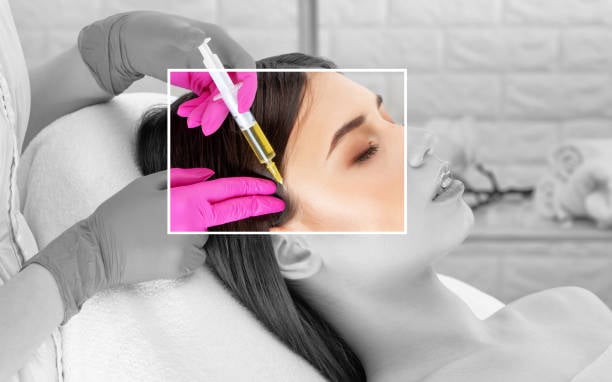
Introduction to PRP Hair Therapy in Riyadh
Hair thinning and hair loss can affect appearance, confidence, and overall well-being. Many people explore non-surgical approaches to support hair growth and improve hair density. One option that has gained attention is platelet-rich plasma (PRP) therapy, which uses components of a person's own blood as part of a hair restoration procedure. Understanding how the treatment works, who may benefit, and what results to expect can help individuals make informed decisions.
PRP Hair Treatment in Riyadh is a relevant topic for people seeking information about modern hair restoration options in the Saudi Arabian capital. Before starting treatment, it is important to understand the procedure, its potential benefits, limitations, safety considerations, and the role of professional assessment in developing an appropriate treatment plan.
What Is PRP Hair Treatment?
Platelet-rich plasma therapy is a procedure that involves collecting a small blood sample and processing it to concentrate platelets in a portion of the plasma. Platelets contain growth factors involved in the body's natural processes of tissue repair and healing. The resulting preparation is injected into selected areas of the scalp as part of a hair restoration treatment.
PRP is commonly investigated and used for certain types of hair loss, particularly androgenetic alopecia, also known as pattern hair loss. However, responses can vary, and scientific evidence does not establish that every person will experience noticeable improvement.
People researching PRP Hair Treatment in Saudi Arabia should understand that PRP is not the same as a hair transplant. It does not involve surgically moving hair follicles from one area of the scalp to another. Instead, it aims to support hair growth and improve hair characteristics in suitable candidates.
How Does PRP Hair Therapy Work?
The procedure generally begins with collecting blood from the patient's arm. The sample is then placed in a centrifuge, which separates its components according to their physical properties. This process produces a platelet-rich preparation that can be used for treatment.
After preparing the scalp, a qualified medical professional injects the PRP into selected areas. The number of injection sites and the treatment approach depend on the individual's hair loss pattern, scalp condition, and clinical assessment.
The growth factors released by platelets may influence biological processes associated with hair follicles. Researchers continue to investigate how these mechanisms affect hair growth in different patients. PRP is therefore considered a supportive treatment option rather than a guaranteed solution for hair loss.
Who May Be Suitable for PRP Hair Treatment in Riyadh?
Suitability depends on the underlying cause of hair loss, the condition of the scalp, general health, and the presence of active hair follicles. People with early pattern hair loss or thinning hair may be considered for treatment following an appropriate medical evaluation.
Individuals experiencing sudden hair loss, patchy baldness, scalp inflammation, or unexplained shedding may need further investigation before considering PRP. Hair loss can result from nutritional deficiencies, hormonal changes, medical conditions, stress, medications, or hereditary factors. Treating the underlying cause may be more important than proceeding directly with injections.
A professional consultation can help determine whether PRP is appropriate, whether another treatment should be considered first, or whether a combination of approaches may be more suitable.
Potential Benefits of PRP Hair Treatment
PRP therapy has several potential benefits for selected patients, although individual results are not predictable. Some clinical studies have reported improvements in hair density or thickness among people with androgenetic alopecia. The strength of evidence varies, and further research is needed to establish the most effective treatment protocols.
Supporting Hair Density
PRP may help improve hair density in some individuals by supporting the activity of existing hair follicles. The extent of improvement depends on factors such as the type of hair loss, the condition of the follicles, and the individual's response to treatment.
Improving Hair Thickness
Some patients may experience improvements in the thickness or appearance of existing hair. However, outcomes differ, and PRP cannot reliably restore hair in areas where follicles have been permanently destroyed or lost.
A Non-Surgical Approach
PRP is administered through injections rather than surgery. This may appeal to people who prefer to explore non-surgical options before considering a hair transplant. Nevertheless, the procedure involves needle injections, and temporary discomfort, swelling, bruising, or tenderness may occur.
Using the Patient's Own Blood
Because PRP is prepared from the patient's own blood, it avoids introducing donor blood into the procedure. This does not eliminate every risk, however. Proper preparation, sterile technique, and appropriate patient screening remain essential.
What to Expect Before Starting Treatment
Preparation begins with a consultation to discuss the patient's medical history, hair loss pattern, previous treatments, medications, and expectations. A medical professional may examine the scalp and recommend further investigations if the cause of hair loss is uncertain.
Patients should disclose any bleeding disorders, platelet-related conditions, active infections, or other medical concerns that could affect treatment suitability. Medications and supplements should also be discussed with the treating professional. Prescribed medication should never be stopped without medical advice.
Before starting PRP Hair Treatment in Riyadh, patients should ask about the preparation method, injection technique, infection-control measures, likely treatment schedule, and how progress will be assessed. Clear communication helps establish realistic expectations and supports informed decision-making.
Understanding the PRP Hair Treatment Procedure
The procedure typically takes place in a medical setting and involves several stages. First, a blood sample is collected. Next, the sample is processed to concentrate the platelets. The scalp is then assessed and prepared, and the PRP preparation is injected into the planned treatment areas.
The duration of the appointment varies according to the technique and the extent of the area being treated. Some people experience mild discomfort during injections, while others report temporary scalp sensitivity afterward.
Patients can ask their healthcare professional about any recommended preparation or aftercare instructions. These instructions may vary depending on the patient's circumstances and the treatment protocol being used.
Recovery and Aftercare Following PRP Therapy
Most patients can resume ordinary activities relatively soon after treatment, depending on their comfort and the advice provided by the treating professional. Temporary redness, tenderness, swelling, or small bruises may occur at injection sites. These effects usually improve over a short period, although recovery varies.
Patients should follow individualized aftercare instructions regarding scalp washing, strenuous exercise, hair products, and exposure to potential sources of irritation. They should not assume that every treatment provider uses the same aftercare schedule.
Severe or increasing pain, spreading redness, fever, discharge, or other signs of infection require prompt medical assessment. Although serious complications are uncommon when appropriate precautions are followed, no injectable procedure is completely risk-free.
When Can You Expect to See Results?
PRP does not produce immediate hair growth. Hair follicles follow natural growth cycles, and any changes may take several months to become noticeable. Some patients report improvements in hair thickness or reduced shedding, while others experience limited or no visible benefit.
A treatment plan may involve an initial series of sessions followed by maintenance treatments, depending on clinical judgment and the individual's response. There is no universal schedule that guarantees results for everyone.
Photographs taken under consistent lighting and periodic scalp assessments can help monitor progress. Patients should also understand that hair loss may continue because of hereditary, hormonal, or other underlying factors. Ongoing management may be necessary even when PRP appears beneficial.
PRP Hair Treatment in Saudi Arabia: Choosing the Right Approach
People exploring PRP Hair Treatment in Saudi Arabia should prioritize qualified medical supervision, transparent information, and individualized assessment. The suitability of treatment depends on the patient's diagnosis rather than location alone. A thorough evaluation can help distinguish pattern hair loss from conditions that require a different approach.
Patients should ask how treatment outcomes are measured, what evidence supports the recommended protocol, and which alternatives are available. Established treatments such as topical minoxidil or prescription medications may be appropriate for certain types of hair loss, depending on individual circumstances and medical advice.
PRP may be considered on its own or alongside other treatments when clinically appropriate. A healthcare professional should explain the potential benefits, limitations, risks, and uncertainties associated with each option before a decision is made.
Common Myths About PRP Hair Therapy
One common misconception is that PRP guarantees complete hair regrowth. In reality, treatment responses vary, and some people experience little improvement. PRP should not be presented as a permanent cure for every form of hair loss.
Another misconception is that natural preparation means the procedure has no risks. Although PRP uses the patient's own blood, injections can still cause discomfort, bruising, inflammation, or infection if proper precautions are not followed.
It is also incorrect to assume that PRP is suitable for every stage of baldness. People with advanced hair loss or certain scalp conditions may need different management options. An accurate diagnosis is essential before selecting treatment.
Frequently Asked Questions About PRP Hair Therapy in Riyadh
What Is PRP Hair Treatment in Riyadh Used For?
PRP hair treatment is used to support hair restoration in selected individuals, particularly those with pattern hair loss. It may improve hair density or thickness, but results vary and are not guaranteed.
Is PRP Hair Treatment Painful?
The procedure involves injections into the scalp, so some discomfort may occur. The level of discomfort varies between individuals, and temporary tenderness or swelling can develop afterward.
How Many PRP Sessions Are Needed for Hair Growth?
The number of sessions depends on the individual's condition, the treatment protocol, and the response to therapy. A qualified medical professional can recommend an appropriate schedule after evaluating the scalp and medical history.
How Long Does PRP Hair Treatment Take to Show Results?
Visible changes may take several months because hair grows gradually. Some people notice improvements in hair thickness or density, while others may experience limited results.
Is PRP Hair Treatment in Saudi Arabia Safe?
PRP is generally considered well tolerated when performed by qualified professionals using appropriate sterile techniques. Potential side effects include pain, bruising, swelling, and infection. Individual medical risks should be assessed before treatment.
Can PRP Restore Hair in Completely Bald Areas?
PRP is not a reliable way to restore hair in areas where follicles have been permanently lost. Its potential benefits are generally associated with supporting existing follicles, so patients with advanced hair loss may need alternative options.
Conclusion
PRP hair therapy is a non-surgical option that may help selected individuals manage certain types of hair loss. Understanding the procedure, potential benefits, limitations, safety considerations, and expected timeline is essential before beginning treatment. A proper diagnosis and realistic expectations can help patients make informed decisions about their hair restoration journey.
For individuals researching PRP Hair Treatment in Riyadh or PRP Hair Treatment in Saudi Arabia, professional assessment remains an important first step. Enfield Royal Clinic Saudi can be considered as a point of contact for people seeking information about hair restoration options and consultation, with treatment suitability and expected outcomes determined through an individualized medical evaluation.