
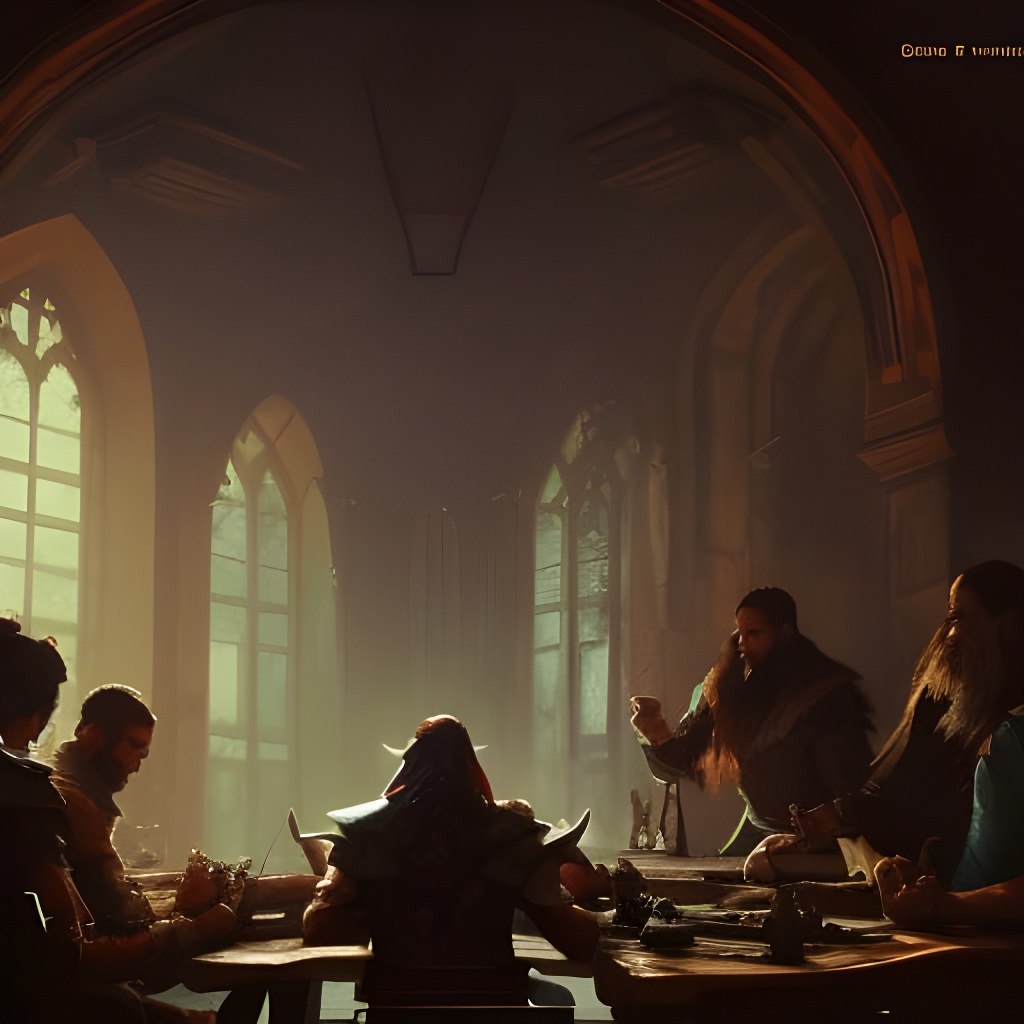
As I am sure many of you are aware, DnD does not always run smoothly, each group, session, composition, player and GM come with their own foibles. For example I am in a game with three players who want to roleplay, do voices and make unusual ideas. But we have one rules lawyer who cannot shake Rules as Written and one meta gamer who only ever says, "lets say I went to town and got the information" and "my character would have the conversation to ask that", combines with battles just being dice rolling. They do not gel.
Some other GM's and I got together and had a chat about some of our more difficult campaigns or sessions, and after whinging for a while, we decided perhaps to share some tips. So I thought I'd Share some here too
Just talk to each other
Communication is key. I was given advice early in my GM'ing career to ensure you can schedule games, we all know how hard that is, and to make sure players aren't all annoying each other with character quirks. So talk openly and honeslty to communicate above table and don't let things fester. This has really helped.
Have fun
Remember this is game and the main goal is to have fun as a group. Base decisions on whether it will make it fun. Drama, tension, surprise, stress… all could be used positively to create fun. Backstabbing, cheating, hero complex, railroading… these are almost destroyers of fun. Rule of Fun of Rules as Written!
Saying Yes
Going with the flow is not always easy, but you should "Learn to say YES". Encourage imagination in players with "yes". Someone wants to describe the kill, go for it. Players think of clever non combative ways to defeat an enemy, of course. People want to spend some time role playing interactions, let them.
Keep the world open
Players may want to go off book, or do something you did not plan for. Be prepared to wing it and not heavy railroading.
See Bond's blog on this too, World Building: Let the Players Do It! - Payhip
Maybe make some lists of names for NPCs to resort to for races in your world instead of trying to come up with them on the fly. There are tables to roll to create NPCs too. Plan a some ideas of what to do in any situation you put them in, but let it be flexible. Don’t be afraid to let there be consequences for actions and inactions. They don’t warn a town in time of an oncoming threat, or go on side quests instead of killing off a dragon or whatnot, it’s ok to let a town burn. The dragon/bandits/whatever isn’t going to wait around for the players convenience. This helps create a more immersive world and keep a sense of urgency during important plot points
It is not GM versus Players
It is quite specific to a game I was in, but the GM should not be trying to win. Or for that matter belittling the players for poor choices. By all means punish idiocy, actions have consequences, but to above table mock and gloat, as a GM that is unacceptable. But overall everyone is trying to tell a story and should be working together to be part of the same adventure, not trying to win and beat the game.
See also main character complex. No one player is more important than the other. Including us GMs.
You make the characters
Have you ever played with someone who has a character that is basically a dick, and the player says "its what my character would do". As a player you make that character, you can make them awkward or challenging without making them to annoy all the other players the whole time. You'll just suck the fun for everyone else, it is selfish and annoying and you should make you character better than that. This is a collaboration, don't be "that guy".
Share the Load
With so much to do while running a session it can be good to share some of the tasks A player can keep track of initiative, or monitor conditional effects, monitor movements or other smaller tasks. Always make characters responsible for controlling NPCs actions during combat for those that have joined the party.
Freeing up the GM's time to focus on making the session run a little smoother.
Try and make it fun
There is no need to be a voice actor to add depth to your characters, both player characters and NPCs. You should attempt to give decent backstory where appropriate, voices if you can, demeanour and attitudes for sure. Try to make the interaction come to life and engage everyone as much as you can. Feeling like you are immersed in the world can certainly make it more fun, and stop it feeling like you are roaming from one fight to another waiting to roll dice.
Thanks for reading folks. Hope these help. If you have tips yourselves, share them in the comments!
Keep on rollin,
Dalekhead
Comments ()