

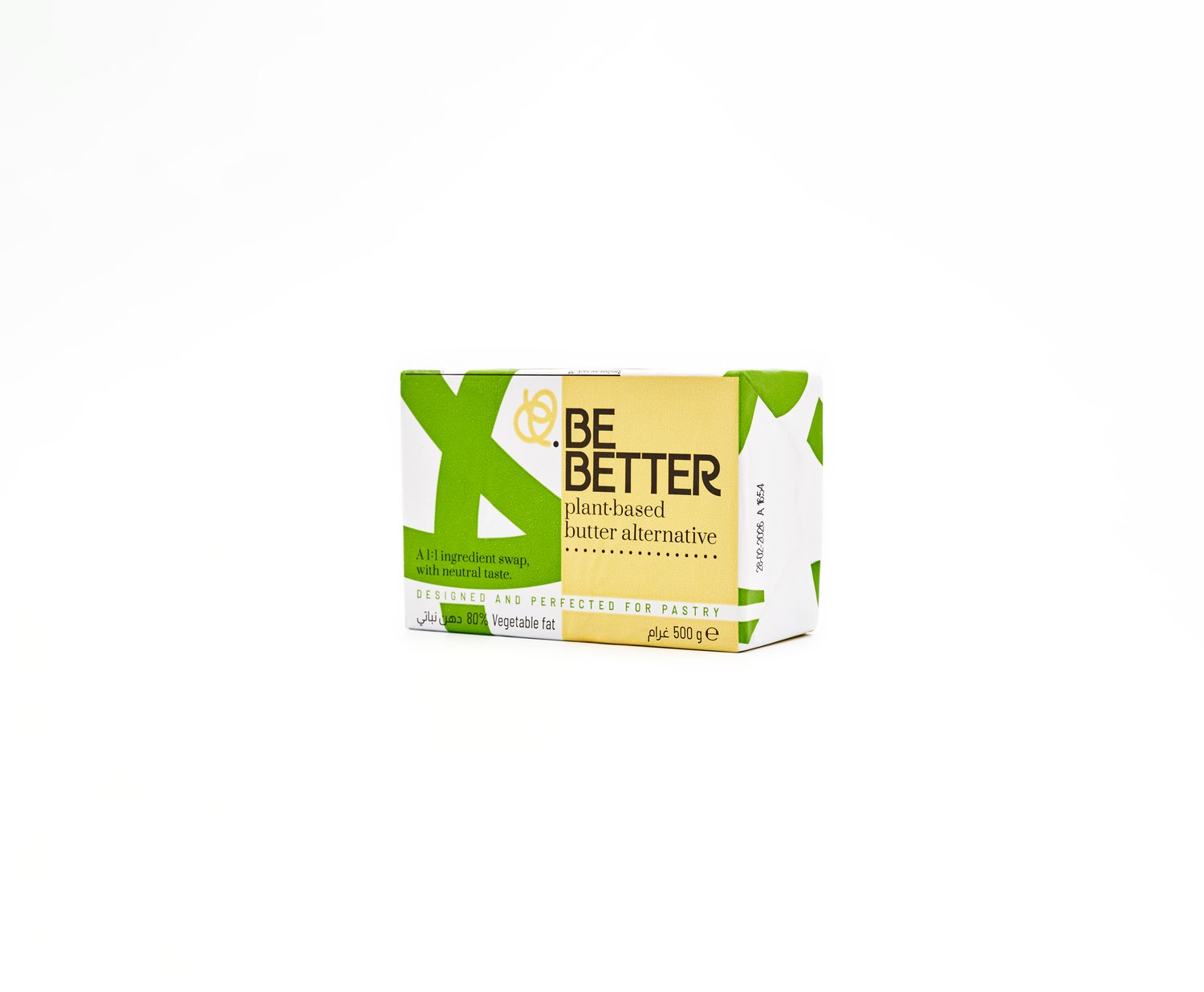
There’s nothing worse than pulling a batch of pastries out of the oven, only to realise the lamination fell flat or your shortcrust looks like a soggy mess. If you’ve ever tried swapping regular butter with a vegan one and it just didn’t turn out right, you’re definitely not alone. Baking with vegan butter isn’t as simple as “swap and go”, but once you figure out how it behaves, it opens up a lot of great options for your menu.
This isn’t about fancy experiments or reinventing recipes. It’s more like understanding how this kind of butter behaves and how to work with it like a pro.
Know How Your Butter Alternative Melts
Traditional butter has a pretty steady melt, which helps create those flaky layers in laminated doughs. Vegan butter, especially palm-free options, tends to soften a bit faster. That means timing and temperature matter a lot more than usual.
If you’re doing croissants or Danish pastries, try these small tweaks:
· Keep the butter well chilled before you sheet it
· Avoid overworking the dough during lamination
· Work quickly but don’t rush the resting periods
The structure you want will come through if the butter stays firm long enough to trap those air pockets.
Keep It Cold (But Not Rock Hard)
Most organic vegan butter has a slightly different fat structure, so it reacts to refrigeration differently. It firms up well, but not always as stiff as dairy butter. This can work in your favour if you’re doing shortcrust or tart dough.
You’ll notice that rolling it out is a bit smoother (less cracking). But be careful with the fridge time too long, and the dough might dry out instead of chilling properly. If you're batch prepping, try testing how long your vegan dough holds up before it starts feeling greasy or too soft.
What You Need to Know for Shortcrusts
Shortcrust is all about crumbly texture and even mixing. This is where Organic butter wholesale options really shine if you're baking in larger batches. Since you’re not relying on steam for rise like in laminated dough, you want a butter that blends evenly and holds shape without weeping.
Here are some quick tips:
· Don’t overmix your dough or it’ll turn too soft
· Chill before baking to help it hold shape
· Use weights when blind baking to avoid shrinkage
Vegan butter usually doesn’t have the same water content, which means it behaves a bit drier. That’s actually helpful for shortcrust – less sogginess, more control.
For Cakes, It’s All About Creaming
If you’re baking with vegan butter in cakes, focus on the creaming stage. A lot of pastry chefs think vegan butter can’t whip up properly, but a high-quality option will surprise you.
Use room temperature butter and beat it with sugar like you normally would. You may need a minute or two more to get that light, fluffy mix. From there, you can pretty much follow your usual process.
Don’t forget to:
· Scrape the bowl between steps (vegan butter can cling more)
· Check the bake around the edges – it may brown slightly differently
· Let it cool fully before removing from tins to avoid cracking
A solid butter substitute will still give you great volume if you nail that first step.
The Secret Ingredient Is Consistency
Working with a clean label, Organic vegan butter doesn’t mean sacrificing flavour or process. It means being a bit more mindful of how it handles heat, time, and mixing. If you’re ordering in bulk or looking for consistency across multiple stores or batches, choosing the right kind of product matters more than you’d think.
This is why more bakeries are switching to butter alternatives that give them predictable results without changing the recipe every time the season shifts. Whether you’re making 12 tarts or 1200, the behaviour of the butter should stay the same. That saves time, waste, and a lot of frustration during prep.
It Still Comes Down to Taste
Some pastry chefs are still unsure about vegan butter because they think it’ll add a weird flavour or overpower the ingredients. But the right one will actually do the opposite. It steps back and lets the vanilla, fruit, or chocolate shine.
That neutral flavour is especially helpful in recipes where butter isn’t the hero. It’s there to support, not stand out. If you’re trying a new recipe, make a small batch first and compare with dairy. You’ll probably be surprised at how close they are, or how the vegan one actually lets your filling take the lead.
Final Thoughts
You don’t have to be a test kitchen wizard to bake with vegan butter. It just takes a few small adjustments and some patience with the process. Once you get the hang of it, you’ll realise it’s not about making compromises. It’s about making smarter swaps that actually work for your bakery, your values, and your customers.
So whether you’re rolling croissants or baking cakes for a client with dietary needs, vegan butter gives you flexibility without sacrificing quality. Try a few tweaks, take a few notes, and find the rhythm that works for you. It’s all part of the pastry game.
Let me know if you'd like a printable version of these tips or want to turn this into a chef's guide!