

The menstrual cycle is divided into four phases: the menstrual phase, follicular phase, ovulatory phase, and luteal phase. Understanding how each phase affects strength and energy levels can help women optimize their workouts.
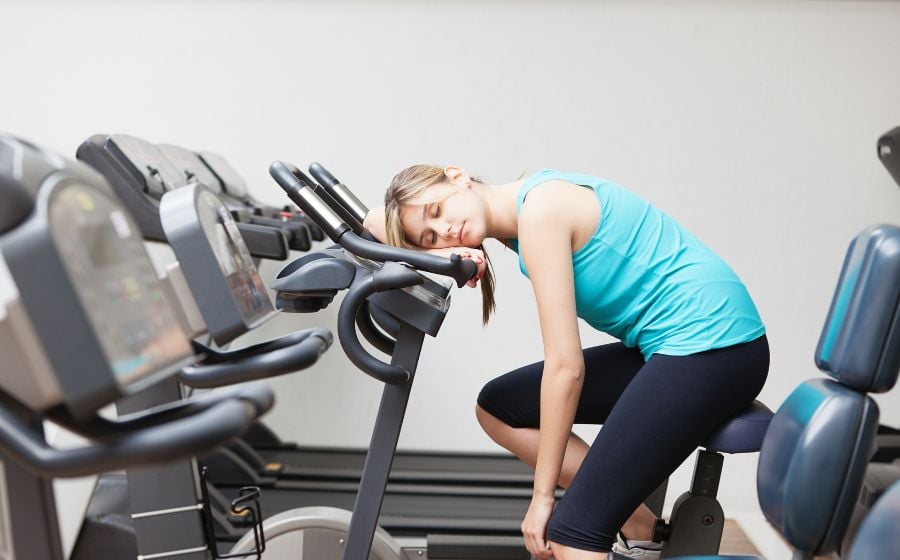
- Menstrual Phase (Days 1-5): This is the first phase of the menstrual cycle and is characterized by menstruation. Women may experience cramps, bloating, and fatigue during this phase. Strength levels may be lower due to lower levels of estrogen and higher levels of prostaglandins, which can cause muscle aches and cramping. It's important to listen to your body and adjust your workout routine accordingly. Low-impact workouts, such as yoga or walking, may be more suitable during this phase.
- Follicular Phase (Days 6-14): During the follicular phase, estrogen levels increase, leading to improved energy levels. Women may feel more motivated to work out and perform better during this phase. Strength levels may also be improved as a result of increased levels of estrogen.
- Ovulatory Phase (Days 14-18): This is the phase in which ovulation occurs. Women may experience a boost in energy and strength levels as a result of increased levels of testosterone, which can improve muscle mass and strength. This may be a good time to incorporate high-intensity workouts or weight training into your routine.
- Luteal Phase (Days 19-28): The luteal phase is characterized by declining levels of estrogen and an increase in progesterone. This can lead to water retention, fatigue, and a decreased ability to perform at peak levels. Women may experience decreased strength and energy levels during this phase. It's important to adjust your workout routine to accommodate these changes and focus on low-impact workouts, such as stretching or Pilates, that can help relieve water retention and bloating.
Psychological Effects:
In addition to physiological changes, the menstrual cycle can also have psychological effects on women's training. Perceived progress and motivation can be affected by changes in energy levels, strength, and water retention, leading to decreased confidence and frustration. Understanding these changes can help women to better manage their expectations and maintain a positive outlook, even during times of hormonal fluctuations....be compassionate and kind to yourselves.
In conclusion, it's important for women to understand how their menstrual cycle affects their strength and energy levels during workouts. By being aware of these changes, women can better plan and adjust their workout routines to optimize their performance and reach their fitness goals....as well as stop beating themselves up and viewing it as a failure on the days when they feel less motivated and / or experience a reduction in strength.
There are no straight lines in nature! xx
Comments ()