

By Ed, Founder & Developer of DigiScape Toolbox (AI-Assisted)
1. Heavy Workload Beyond Teaching
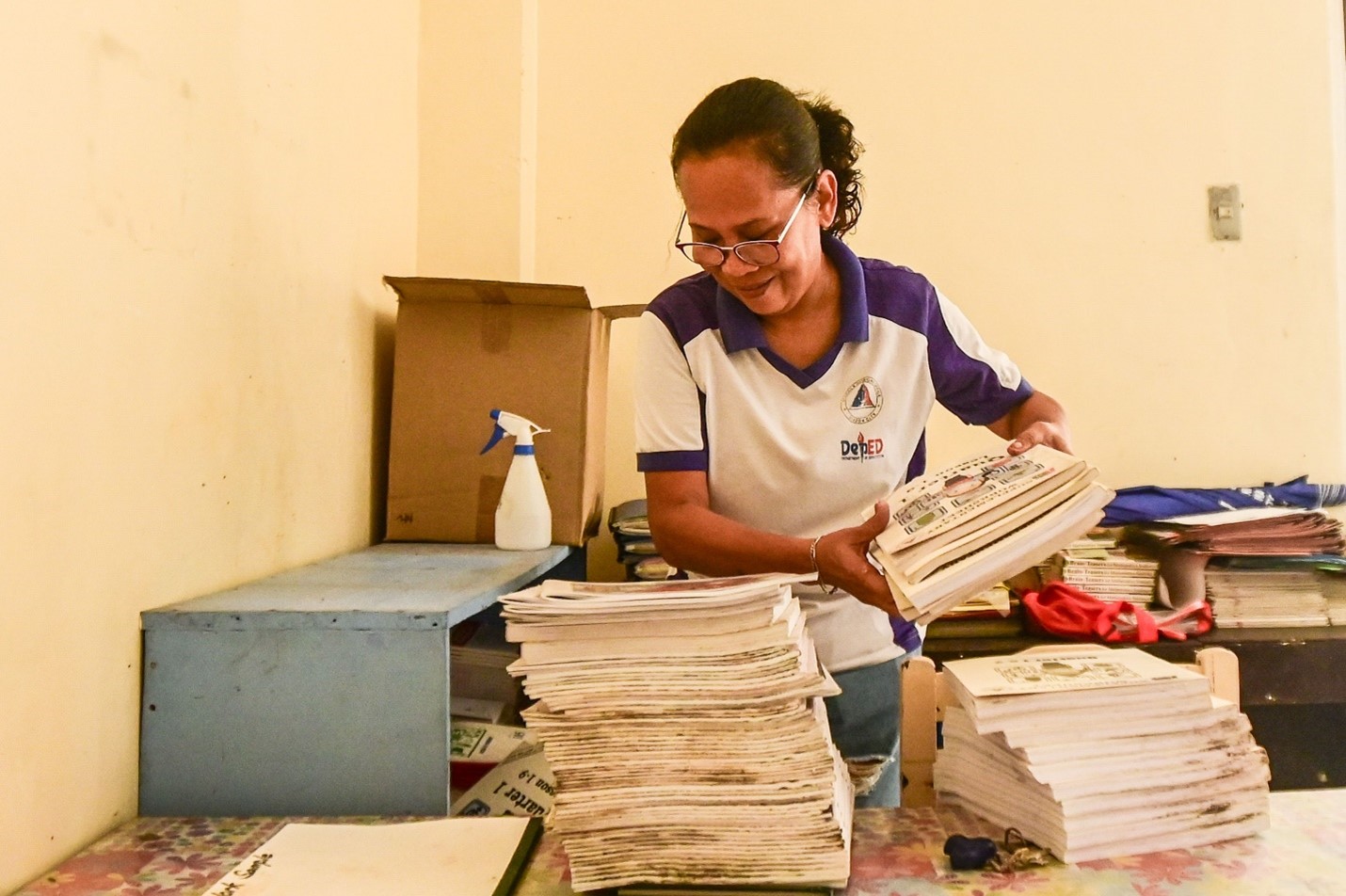
Teachers are not only instructors—they also handle:
- Extensive paperwork and reports
- Lesson planning, assessment documentation, and compliance requirements
- Administrative tasks (enrolment, inventories, meetings)
- Extra roles such as adviser, coordinator, or event organizer
Many report that non-teaching tasks consume more time than actual teaching.
2. Large Class Sizes and Limited Resources
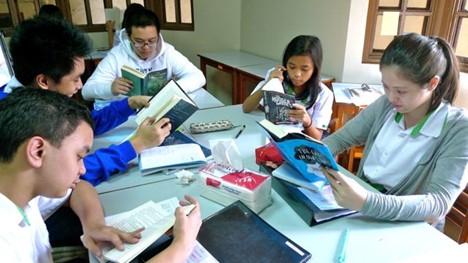
Public school teachers often handle:
- 40–60 students per class (sometimes more)
- Insufficient classrooms, chairs, or instructional materials
- Limited access to technology and a stable internet
This makes individualized instruction and classroom management very difficult.
3. Rapid Shift to Technology and Digital Demands
With the rise of digital learning and blended education, teachers must:
- Learn new platforms quickly (LMS, online tools, digital grading)
- Prepare printed modules for students without internet
- Use personal funds for gadgets, printing, and connectivity
Many teachers had little formal training in ICT before being required to implement it.
4. Out-of-Pocket Expenses
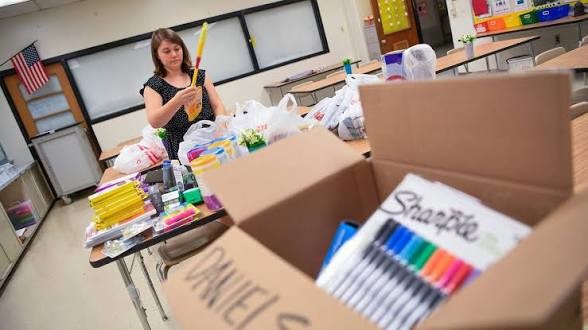
Teachers frequently spend their own money on:
- Printing modules and visual aids
- Classroom decorations and supplies
- Internet load and device maintenance
- Student support materials
This financial burden reduces already modest salaries.
5. Pressure from Curriculum Changes and Compliance
Teachers must constantly adjust to:
- Curriculum revisions (e.g., K–12 updates)
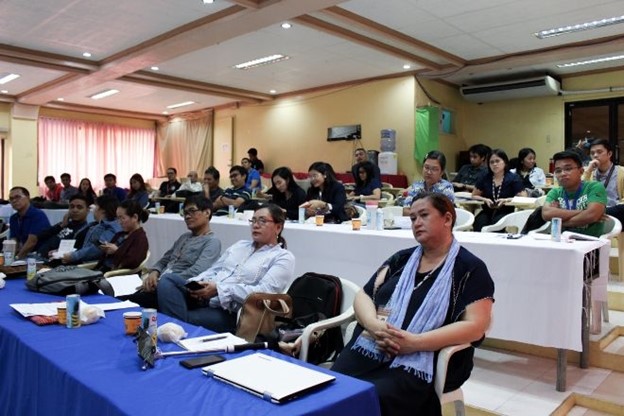
- Frequent training, reports, and documentation requirements
- Performance indicators tied to student outcomes
Change is necessary—but rapid implementation often happens without enough preparation time.
6. Emotional and Mental Health Challenges

Teachers face emotional strain due to:
- Long working hours extending into evenings and weekends
- Responsibility for students’ academic and personal welfare
- Limited time for rest, family, and self-care
Many describe teaching as fulfilling but physically and emotionally draining.
7. Diverse Learner Needs and Learning Gaps
Teachers must address:
- Wide differences in literacy and learning readiness
- Multigrade or inclusive classrooms
- Post-pandemic learning loss
- Students facing poverty-related barriers
Instruction becomes more complex because teachers must teach many levels at once.
Despite These Struggles…
Filipino teachers remain known for:
- Resourcefulness (“diskarte” teaching)
- Strong commitment to students
- Creativity even with limited tools
- Community involvement beyond the classroom
They continue to bridge gaps that the system cannot always address.
References:
Organisation for Economic Co-operation and Development (OECD). (2024). Education at a Glance 2024: OECD Indicators – How much time do teachers spend teaching and working?
https://doi.org/10.1787/c00cad36-en
Organisation for Economic Co-operation and Development (OECD). (2024). TALIS 2024 Results: The demands of teaching.
https://doi.org/10.1787/90df6235-en
If you found this blog helpful, share it with your fellow educators, and let’s keep the conversation going on the future of digital schooling in the Philippines!
Ed is the founder of DigiScape Toolbox, creating digital tools that help teachers automate tasks and improve efficiency.