

By Ed, Founder & Developer of DigiScape Toolbox (AI-Assisted)
What it means for schools, teachers, students, and parents
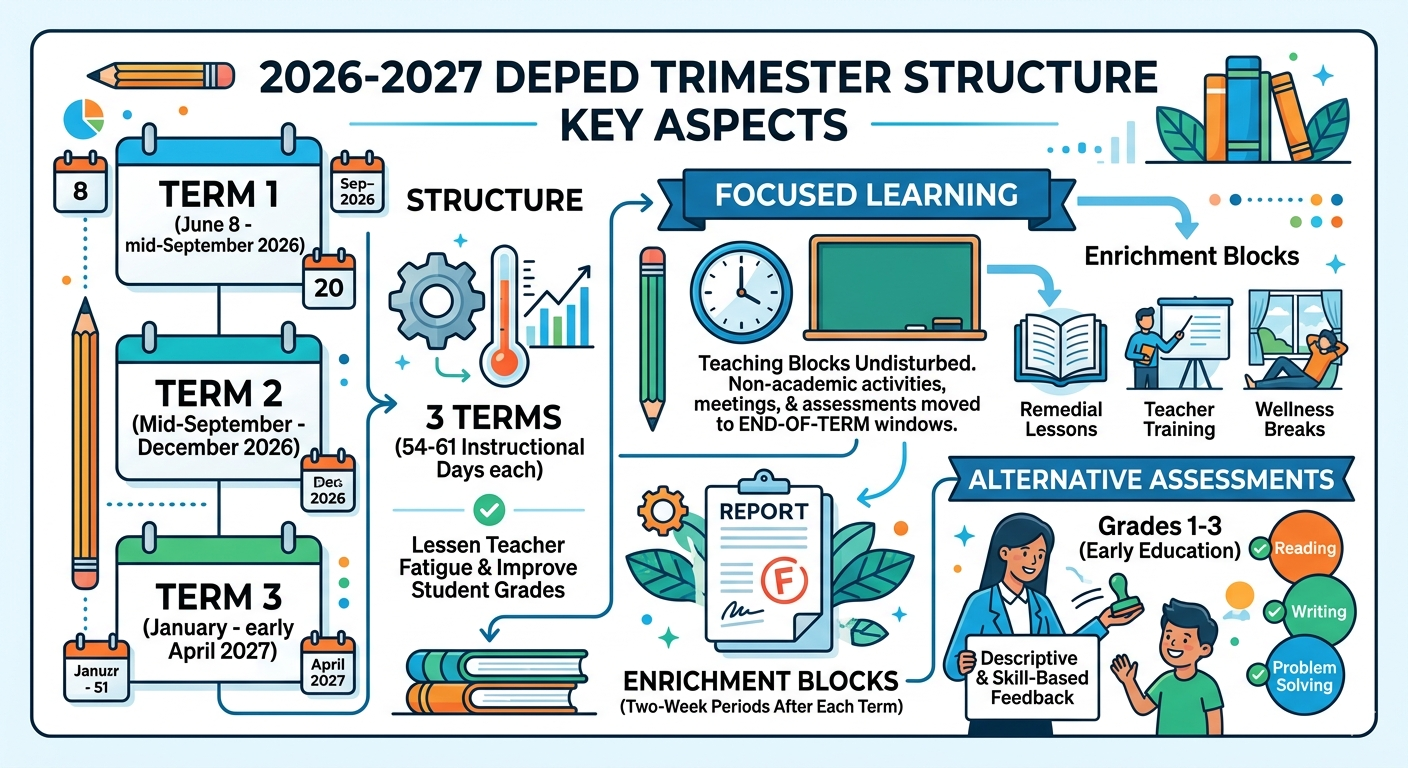
"DepEd officially moved K‑12 basic education from a two‑semester calendar to a three‑trimester one (≈ 12‑14 weeks per term). The change promises more frequent assessment, smoother pacing of the curriculum, and better alignment with international practice—yet it also brings scheduling headaches, workload spikes for teachers, and adjustment costs for schools. Below is a deep dive into the why, how, and what's next of this major reform."
This reform aims to:
- Improve pacing of lessons
- Provide more frequent feedback
- Align with international education systems
However, it also introduces:
- Increased workload for teachers
- Shorter breaks
- Adjustment challenges for schools
What the Trimester System Looks Like
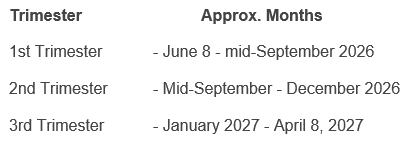
*Dates vary depending on regional adjustments and DepEd-issued calendars.
The structure stays consistent: three academic blocks separated by short breaks.
Why DepEd Made the Switch
- International Alignment – Most ASEAN and OECD countries run a three‑term or quarterly system, making student mobility and curriculum benchmarking more straightforward.
- More Frequent Feedback – Trimestral report cards and assessments give learners and parents clearer, timely information on progress.
- Curriculum Flexibility – Breaking the 12‑month curriculum into three blocks reduces “last‑minute cramming” before the final exams.
- Resource Management – Staggered breaks help schools schedule maintenance, teacher PD, and even transport logistics more efficiently.
Advantages of the Trimester System

Advantages:
Regular Assessment Points
Teachers can plan mid‑trimester quizzes and final trimester exams, giving students multiple opportunities to demonstrate mastery. Studies by the Asian Development Bank (2022) show a 14 % increase in formative assessment use after the trimester rollout.
Reduced Academic Overload
With three shorter terms, learning competencies are spread more evenly. Survey data from the Philippine Teachers' Association (PTA, 2023) reports 68 % of teachers feel “less pressure to finish the whole syllabus in one go.”
Better Alignment with International Tests
The Philippines can now sync its school calendar with external benchmark tests (e.g., PISA, TIMSS) that run on a similar timetable.
More Frequent Parent‑Teacher Interaction
Trimestral report cards and parent‑teacher conferences happen three times a year, improving home‑school communication. A 2024 study by the University of the Philippines – Center for Educational Development found a 22 % rise in parent‑reported satisfaction.
Improved Facility Planning
Schools can schedule maintenance (e.g., classroom repairs, library updates) during the short one‑week breaks between terms, minimizing disruption.
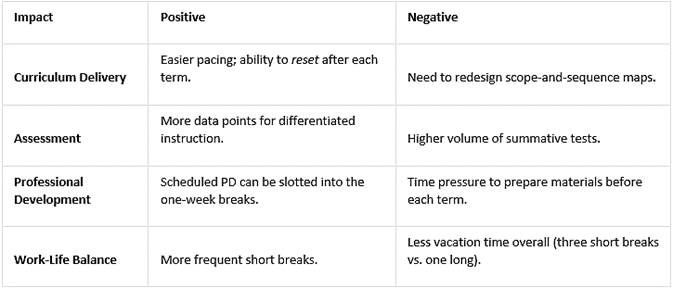
Disadvantages & Challenges

Teachers – The Front‑Line Implementers
Students
Pros
- Less end-of-year pressure
- More chances to improve grades
Cons
- Frequent exams
- Shorter recovery time
Parents & Guardians
Pros
- Clearer academic progress
- Regular engagement with teachers
Cons
- Must track multiple grading periods
- Confusion with college timelines
School Administrators
- Must synchronize timetables, update payroll cycles, and manage inventory for three term ends.
- Benefit from smoother facility maintenance planning due to short inter‑trimester breaks.
Practical Checklist for Schools Moving to Trimester
- Calendar Set‑up – Lock in dates for each term and inter‑trimester breaks.
- Curriculum Mapping – Align K‑12 learning competencies to three terms (use DepEd’s Trimester Curriculum Guide).
- Assessment Calendar – Schedule mid‑trimester quizzes, projects, and final exams.
- Reporting Forms – Update SRFs and online grade portals to capture trimester grades.
- Teacher Workshops – Run sessions on backward design, formative assessment, and workload management.
- Parent Communication – Publish the new calendar on the school website; host an orientation webinar.
- Budget Review – Allocate funds for printing new report cards, training, and minor facility upgrades during the short breaks.
References & Further Reading
- Department of Education (2020). DepEd Order No. 34, s. 2020
- Asian Development Bank (2022)
- Philippine Teachers’ Association (2023)
- University of the Philippines – Center for Educational Development (2024)
- Commission on Higher Education (2022)
- World Bank (2021)
Closing Thought
The trimester system is more than a calendar change—it’s a structural shift in how education is delivered.
It brings:
- More responsive teaching
- Better feedback systems
- Stronger home-school collaboration
But success depends on:
- Clear policies from DepEd
- Teacher readiness
- Parent awareness
- Administrative support
When these align, the trimester system can truly become a learner-centered transformation for Philippine education.
What’s your experience with the trimester system?
- Are you a teacher adjusting your lesson plans?
- A parent navigating report cards?
- A student adapting to frequent exams?
Share your thoughts in the comments!
If you found this blog helpful, share it with your fellow educators, and let’s keep the conversation going.
Ed is the founder of DigiScape Toolbox, creating digital tools that help teachers and other professionals automate tasks and improve efficiency.