

I noticed from the news that the founder and CTO of Hyperbolic had his NIW application rejected (Link here: https://www.livemint.com/news/trends/ai-startup-co-founders-green-card-denied-in-major-us-immigration-blunder-reason-it-has-apple-connection-11735098942725.html). This person has an undergraduate degree from China, a PhD from the University of Washington, around 400 citations, and recently secured $20 million in funding.
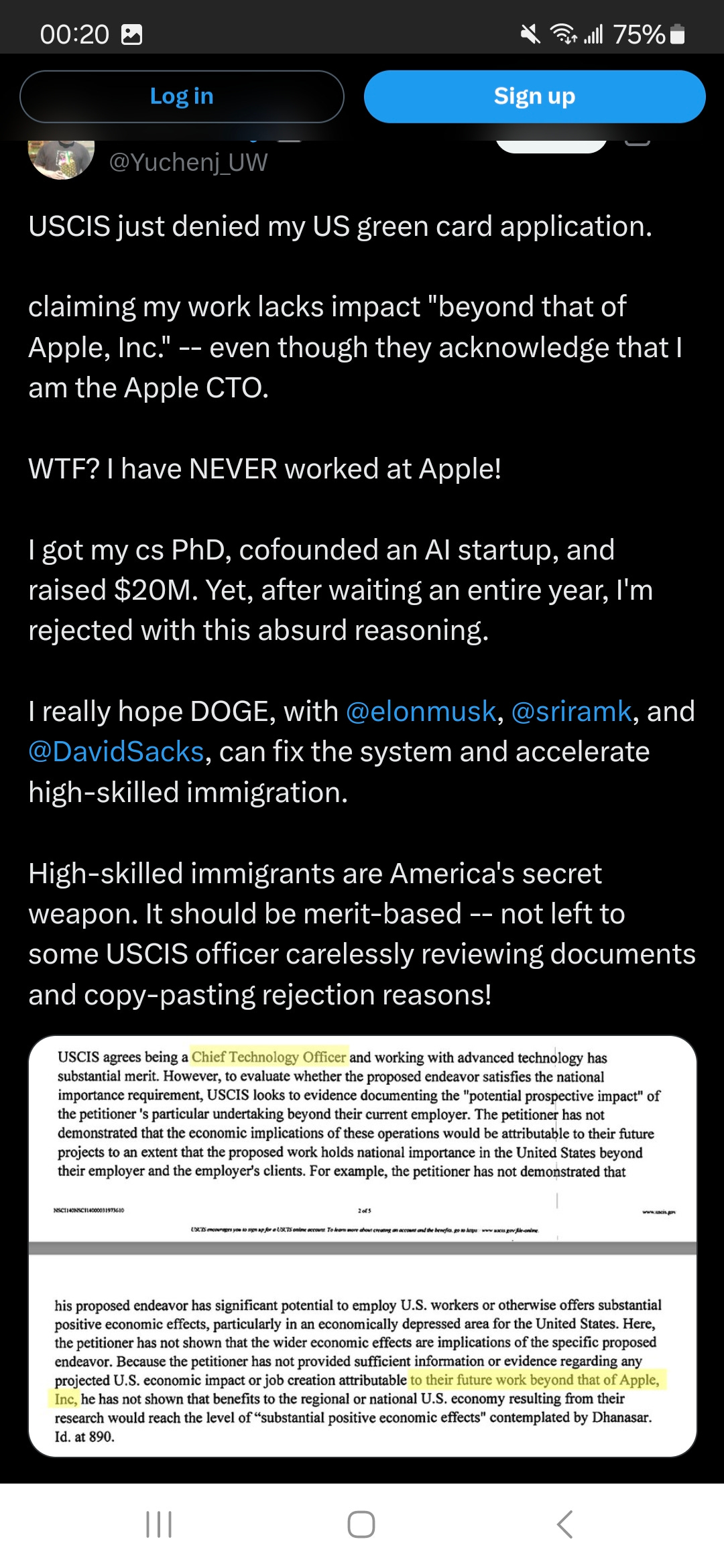
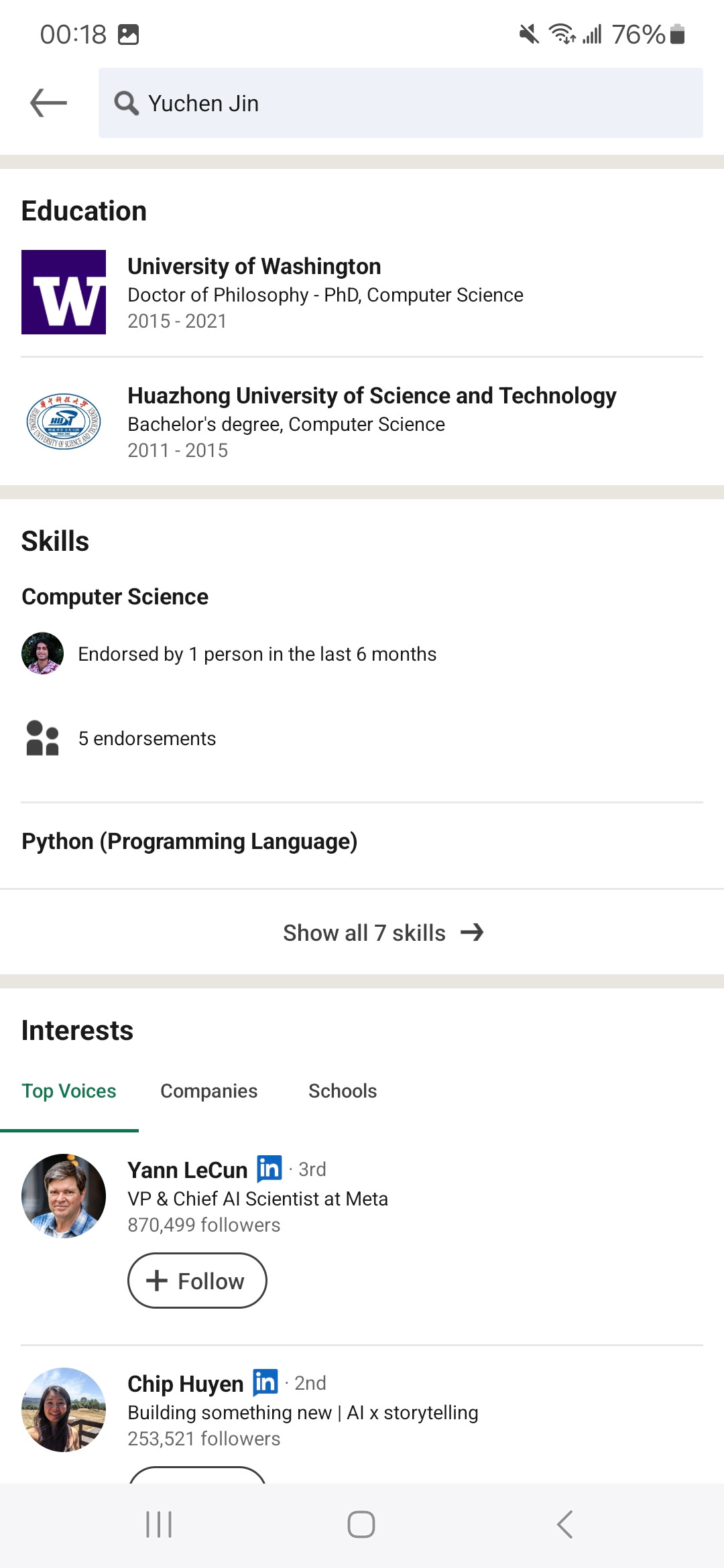
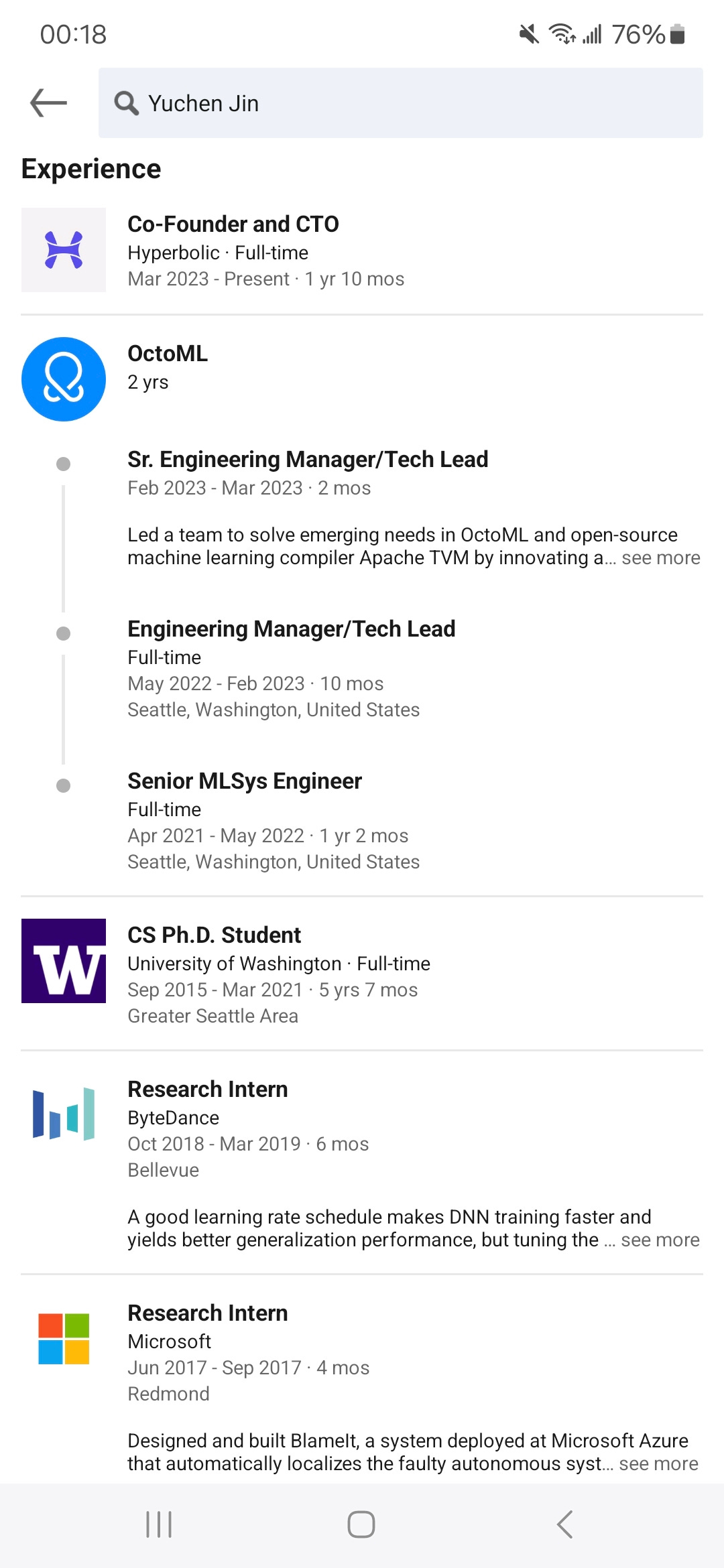
Regarding this CTO's rejection, I dug into some public information (from his Twitter and LinkedIn) to share my thoughts.
Thanks for reading! This post is public so feel free to share it.
Point 1: Understanding USCIS Officers
USCIS officers aren’t geniuses or experts in every field. They’re typically in their early 40s with an average income of around $80,000 (info from Copilot). Chances are, they just want to clock in, get their work done, and head to the bar or barbecue at home. Right now, securing your I-140 is what matters most. We can’t change how officers operate, so the best approach is to make things as straightforward as possible for them. Avoid writing your Personal Letter (PL) like a jargon-filled cover letter full of technical terms.
Point 2: Writing for Simplicity and Impact
With that in mind, I make it a point to use plain yet confident language in the introduction of the PL, highlighting key points upfront. The goal is to allow the officer to finish in 5 minutes what would otherwise take 20. This not only makes their job easier but might also leave a favorable impression. After all, if you save them time, maybe they’ll use the extra moments to order another coffee or enjoy their break.
Another benefit of this approach is that as long as the officer reads it and the logic flows naturally, the rest of the PL will systematically reinforce the claims made in the introduction. This works with the psychological principle of confirmation bias, where people tend to seek evidence that supports their initial understanding.
Point 3: The Critical Importance of Prong 1
From his shared tweets, it seems the officer questioned the National Importance (Prong 1) of his proposed endeavor. This underscores a point I’ve emphasized repeatedly: Prong 1 is the core of the NIW application, and Prong 2 (well-positioned) exists to support Prong 1.
Simply listing your background—“I have A, B, C, D qualifications, can I apply?”—misses the most crucial element of NIW. This is a common misunderstanding, not only among applicants but even among some lawyers. The issue isn’t just about whether USCIS officers did his/her job correctly; it’s about how the PL is structured. If the focus is solely on qualifications and experiences, with Prong 1 reduced to a vague statement like “I’ll continue working in AI” or “I’ll remain in my profession,” it completely misses the point of NIW.
The USCIS Policy Manual explicitly states that a profession is not the same as a proposed endeavor, and National Importance must address the specific, individualized impact of your proposed endeavor. In my PL, Prong 1 takes up half the document. I break my proposed endeavor into specific, actionable steps, explaining the national significance of each. I also address the importance of the two intersecting fields I work in and how their combination creates even greater impact.
Focusing solely on past achievements probably better suited for an EB1A application.
My Overall Take
Prepare thoroughly, understand the preferences and psychology of the reviewing officer, and tailor your application accordingly. Sometimes, playing into psychology is simply part of the job.
#NIW DIY
#NIW DIY KIT Download
#Petition Letter
#NIW Petition Letter Sample
#NIW
#EB2 NIW
#Niw green card
#Eb2 niw requirements
#EB2 NIW Approval