
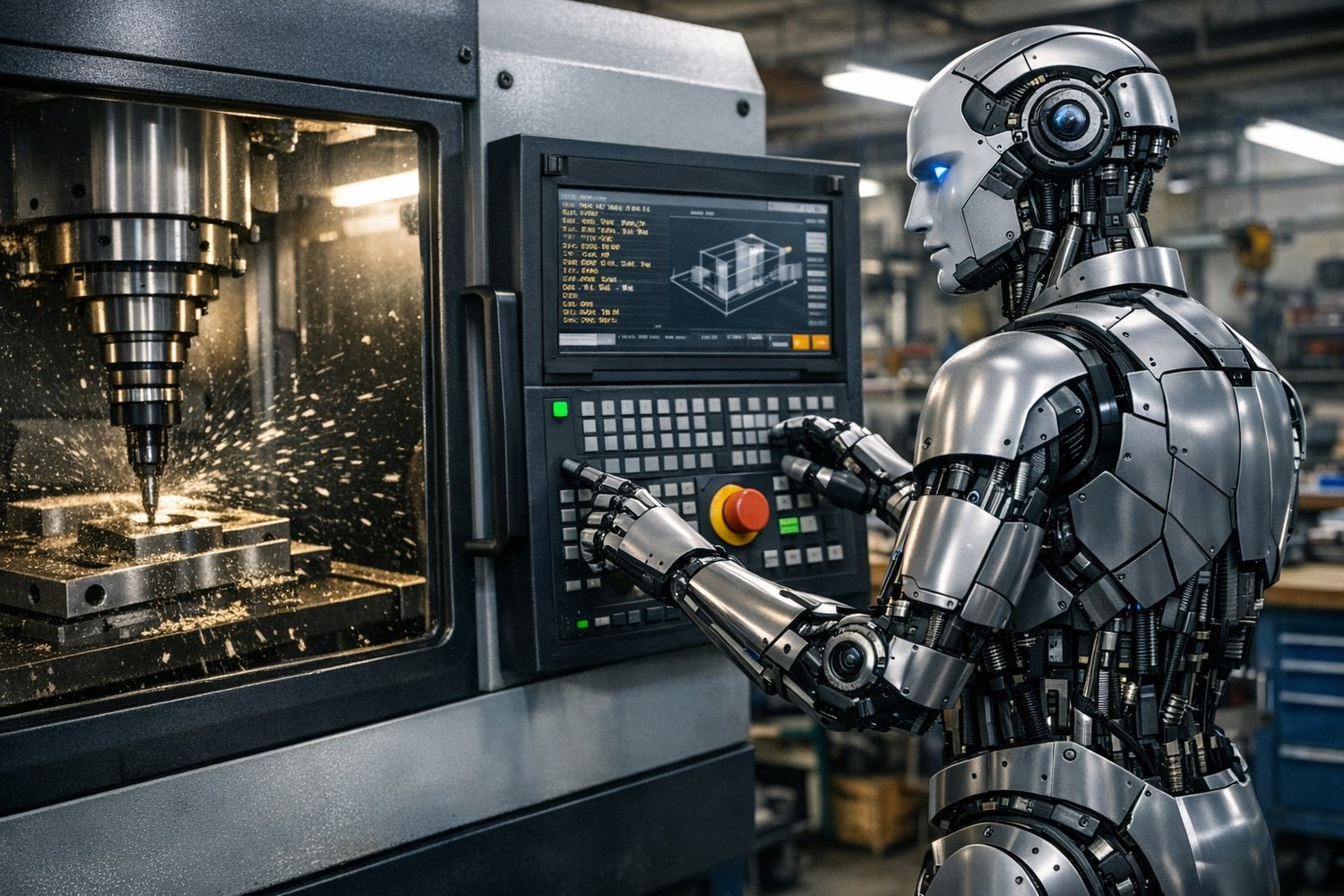
Twenty years ago, machining looked very different. Most shops were running older controls, handwritten notes were the norm, and a lot of tribal knowledge lived in the heads of a few seasoned operators. If you wanted to learn something, you stood beside someone who had done it for decades and absorbed everything you could. It was a craft built on mentorship, repetition, and a whole lot of patience.
Today, the landscape has shifted. Machines are faster, controls are smarter, and automation is no longer a luxury — it’s becoming the backbone of modern manufacturing. AI is entering the conversation in ways none of us imagined back when we were first learning to set a work offset or write a simple macro. The expectations placed on machinists and programmers are higher than ever, and the pace of change isn’t slowing down.
That’s exactly why I started building and sharing the tools behind FastPath.
After more than three decades in this trade — from petroleum to aerospace to semiconductor manufacturing — I’ve seen how much smoother a shop runs when people have access to clear logic, reliable workflows, and tools that make sense. I’ve also seen how many machinists feel left behind when new technology arrives faster than anyone has time to explain it.
My goal is simple: to give the machining community the kind of clarity and confidence I wish I had earlier in my career.
I believe the future belongs to shops that embrace automation, understand their tools, and aren’t afraid to use macros and intelligent workflows to stay competitive. Not because it replaces skill — but because it amplifies it. When you understand how your machine thinks, you can make it do incredible things.
The O7000 Universal Probing Package is just one piece of that mission. It’s built to help machinists step into the future with tools that are clean, predictable, and easy to understand. But more importantly, it’s part of a bigger effort to share knowledge, encourage growth, and help peers navigate the changes that are reshaping our industry.
We’ve come a long way from where we were twenty years ago. And where we’re going next will require all of us — machinists, programmers, operators, and workflow architects — to keep learning, keep adapting, and keep pushing the craft forward.
If I can help even a few people feel more confident in that journey, then this work is worth every minute.