
Sandcasting, a technique that uses sand molds to shape molten metal, has ancient origins but also a strong presence in the American South and Appalachian region. American craftsmen have adapted sandcasting techniques for personal and community use since the Spanish introduced the method to Native Americans in the mid-1800s (Frisco Native American Museum, 2013). Alongside tufa casting, it became part of traditional silversmithing in the American Southwest. The method remains attractive because sand is inexpensive, molds are expendable, and the process can be adapted for both large-scale and small-scale production (Rao, 2003).
In the Southeast, the industrial history of metal casting, including iron furnaces and foundries, shaped regional economies. Sites like Tannehill Ironworks in Alabama produced pig iron and cast hollowware in the 19th century, supporting local needs. Like many southern industries, this foundry was built using enslaved labor and played a significant role in iron production during the Civil War (Tannehill Ironworks Historical State Park, n.d.). In Georgia, Goldens’ Foundry has operated continuously since 1882, producing cast iron components for agriculture, power transmissions, and infrastructure projects (Goldens' Foundry and Machine Company, 2024). Its roots trace back to George Jasper Golden, an original incorporator of Columbus Iron Works in 1846, one of the oldest chartered companies in the United States (Goldens' Foundry and Machine Company, 2024). Many historic foundries (such as Goldens’) continue operating today, illustrating how sandcasting has remained a reliable industrial process, adaptable to modern practice.
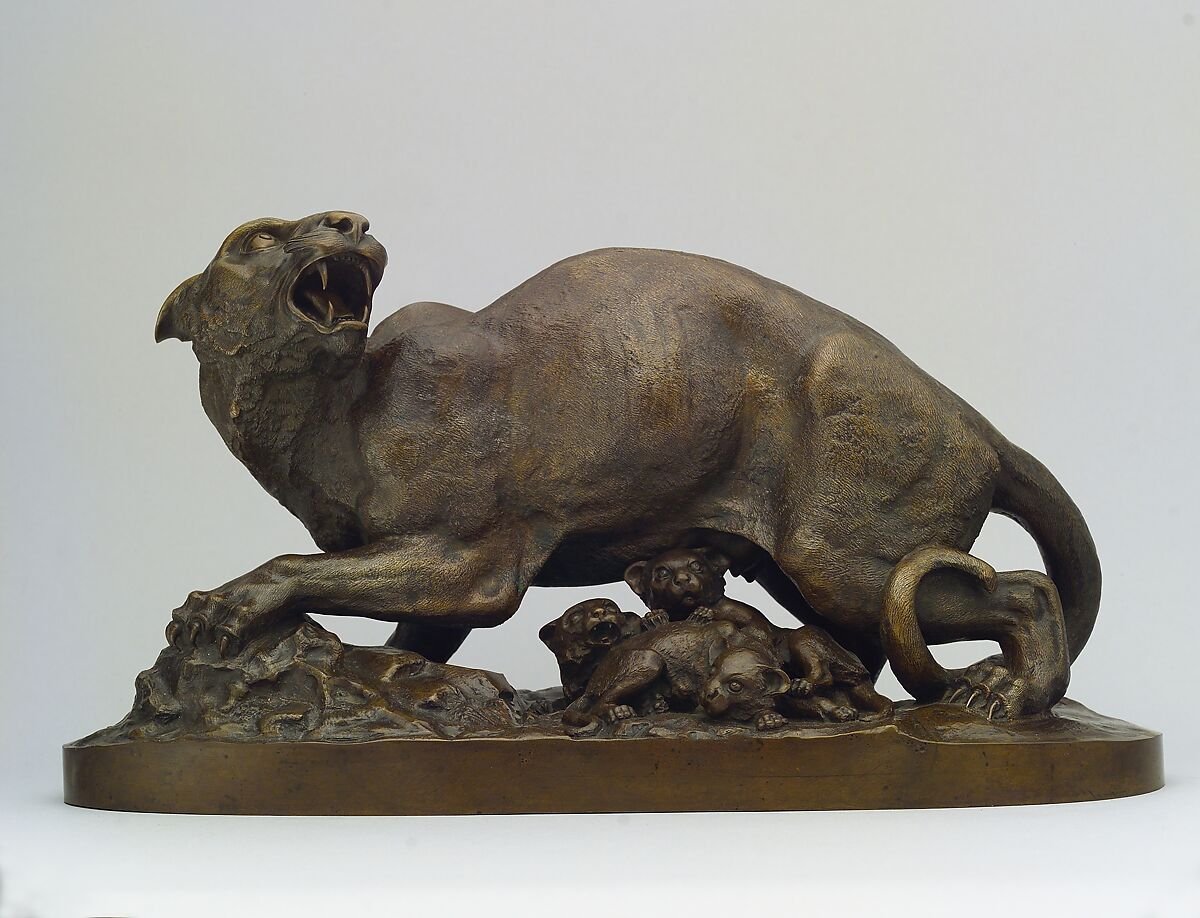
By the mid-nineteenth century, bronze casting in the United States emerged as both a technical and symbolic practice, reflecting the nation’s growing confidence and desire for artistic independence from Europe (Tolles, 2004). While bronze itself has a long global history, American sculptors initially relied on European foundries or carved in marble due to a lack of local casting expertise. Innovators like Henry Kirke Brown established foundries in Brooklyn and partnered with industrial producers such as Ames Manufacturing to cast monumental and domestic works using French sandcasting techniques before lost-wax methods became common around 1900. This collaboration between sculptor and founder highlights how a seemingly industrial process can serve as a traditional craft, requiring skill, artistry, and intimate knowledge of materials. The careful finishing, texturing, and patination applied to each cast demonstrate how bronze casting in the Southeast bridged industrial capabilities with artisanal values, producing works that were both functional and expressive (Tolles, 2004). This history underscores the relevance of sandcasting as a fine craft: even as an industrialized process, it embodies hand skill, design intentionality, and material stewardship.
In the Appalachian and Southern context, where reuse, resilience, and self-reliance are cultural values, sandcasting acts as a bridge between industrial legacy and folk-making. While there have always been folk uses of sandcasting, few artists utilize it in a contemporary context. It is widely considered industrial and is often overshadowed by lost-wax casting in sculpture and jewelry communities. I believe it should be emphasized as a modern folk practice. Sandcasting allows contemporary artists to reclaim scrap metal, connect to regional histories, and root their practice in place with a lower investment than other casting techniques. Because the method requires modest resources, it offers opportunities for artists without access to large-scale facilities. This democratizing aspect aligns with environmental and social values, empowering marginalized makers( LGBT artists and IPOC creators with historical ties to the process) to produce durable, meaningful work. In preserving and adapting sandcasting in the Southeast, artists keep the practice alive not as a relic but as an evolving craft.
About the Author
Jay Reddish is a nonbinary artist and arts-based environmental educator whose work transforms recycled and upcycled materials into functional sculpture and jewelry. Jay blends traditional sandcasting techniques with contemporary design, creating pieces that connect people to their environments and daily rituals. Their research and teaching explore sustainable craft, regional histories of metalsmithing in the American South, and the ways art can foster resilience, accessibility, and community engagement.
References
Frisco Native American Museum. (2013, January 21). Navajo sandcasting. https://nativeamericanmuseum.org/21-january-2013-navajo-sandcasting/
Goldens' Foundry and Machine Company. (2024, September 17). History. https://gfmco.com/portfolio-items/history/
Rao, T. V. (1996). Metal casting: Principles and practice. New Age International.
Tannehill Ironworks Historical State Park. (n.d.). History. https://tannehillstatepark.org/history/
Tolles, T. (2004, October 1). American bronze casting. The Metropolitan Museum of Art. https://www.metmuseum.org/essays/american-bronze-casting
Blog Image
Henry Kirke Brown, “Panther and Cubs,” c. 1850