
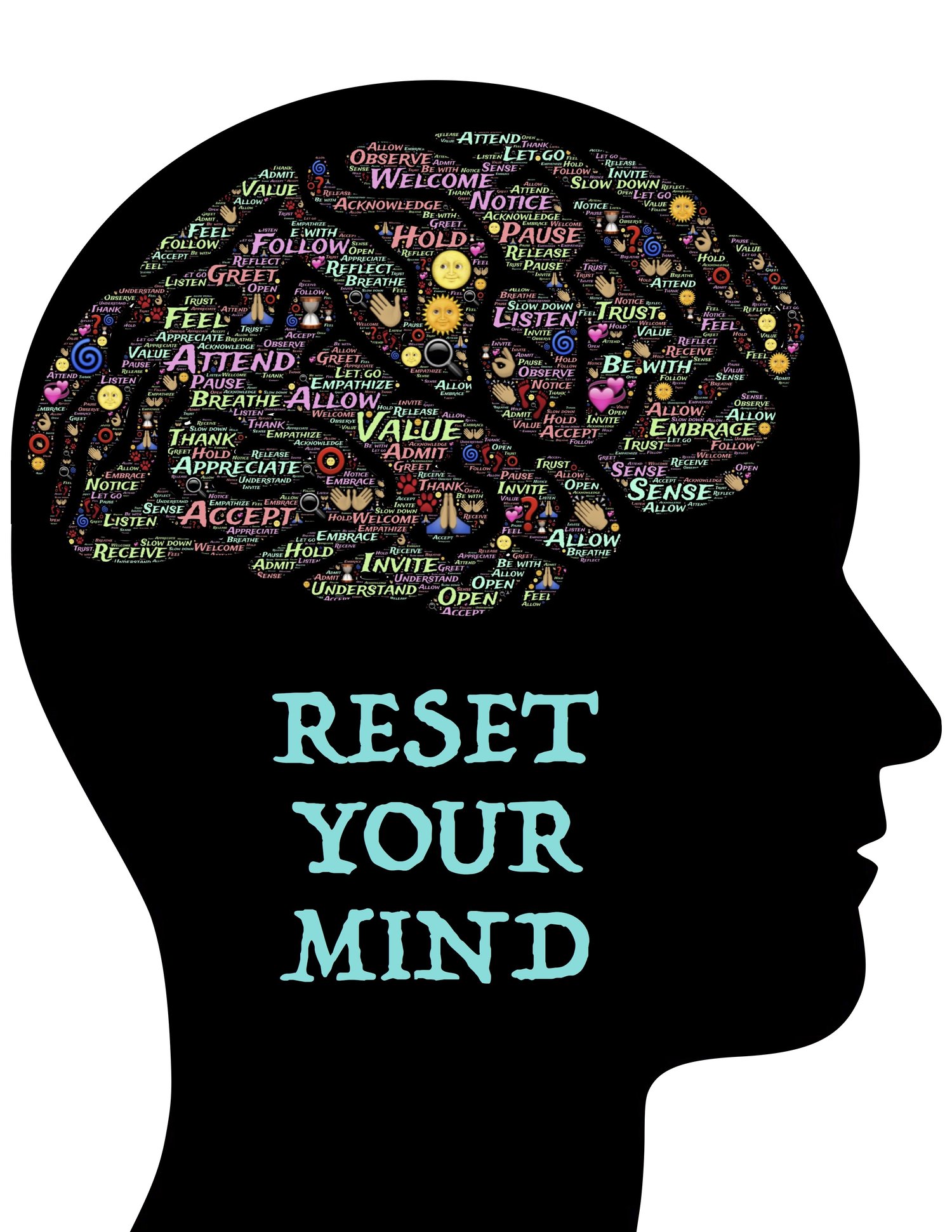
In any form of occupation, having the right mindset is important. In the world we live in, there is no such thing as an “every good day guarantee.” Some days are good, some are bad, and some are simply unpredictable. Whatever happens, happens—and believe me when I say, teaching is definitely not a walk in the park.
Every day inside the classroom is a journey—a learning journey, to be exact. It is filled with fun, excitement, downtime, productivity, awkward moments, hilarious situations, challenges, and so much more. No two days are the same, and that is one of the things that makes teaching both rewarding and demanding.
Disclaimer: This post is for entertainment and personal-sharing purposes only. I am not a psychiatrist or psychologist, and I am not qualified to evaluate or diagnose anyone’s personality or mental health. I am simply sharing some of the things that have worked for me. I am also learning how to manage my own struggles and take better care of myself. If you are experiencing mental health concerns, please consider reaching out to a qualified mental health professional. Spread love, not hate. Read what resonates with you, and feel free to leave what does not.
So, here are some of the things I do and tips I have learned on how to start my day positively as a teacher.
1. Focus and Meditate
Start your day with positive affirmations and give yourself something to look forward to.
Fill your mind with positivity by reminding yourself that you are doing what you need to do—nothing more, nothing less. As teachers, we are creatures of habit. We plan, process, organize, and execute countless things every day. Most of the time, we become frustrated and overwhelmed when things do not go according to plan. And let's be honest: teachers can be perfectionists. You cannot tell me otherwise!
To lessen the frustration that comes with wanting everything to be perfect, put yourself in a position where you can recognize that you are already doing your best. Read an inspiring quote, listen to your favorite song or podcast, write in your journal, take a few quiet minutes, or pray if that is something meaningful to you. You don't have to solve everything before your day even begins. Sometimes, you simply need to remind yourself: “I can handle today, one thing at a time.”
2. Exercise and Eat Right
It might sound redundant, but taking care of your body can also help you take better care of your mind.
I am not the most physically fit role model in the world, but I have noticed that whenever I eat better or exercise, I feel more relaxed. Even for a short while, I get to do something for myself instead of constantly thinking about my students, lesson plans, deadlines, and responsibilities. Exercise and proper nutrition can be a simple way of giving yourself time to reset and recharge. You don't have to start with an intense workout or follow an extreme diet. Even a short walk, stretching, dancing to your favorite song, or simply being more mindful of what you eat can be a good start. Being a teacher can sometimes be physically and mentally demanding. We need to take care of the body that carries us through all of it. For me, exercising at least twice a week has become one of the ways I make time for myself.
Taking care of yourself isn't selfish. It is part of being able to show up for others.
3. Pause and Reconsider
It is easier said than done to be a calm and collected teacher all the time. When something unexpected happens—especially something outside of our control—it is completely normal to feel nervous, overwhelmed, or even scared. I repeat: it is normal. No amount of positive thinking can guarantee that you will always know exactly what to do in every situation. Sometimes, we simply have to figure things out as they happen. One thing I try to do is pause and assess the situation. As the adults inside the classroom, we have a responsibility to keep a clear head and process what is happening. When something goes wrong, take a moment to observe before immediately reacting. Ask yourself: What is happening? What can I control? What needs to be done right now? Sometimes, our instincts take over when we need them most. I have had moments like that myself, and I am often amazed at what I can do when the situation calls for it. Be alert, but don't be paranoid. Stop and think, but don't allow yourself to feel completely lost. You don't need to have every answer immediately. Sometimes, taking a moment to breathe and assess is already the first step toward making the right decision.
4. Rest!
Most of the time, being a teacher can be incredibly demanding. The notion that the only thing teachers do is teach has never sat well with me because we all know that teaching goes far beyond standing in front of a classroom. We prepare lessons and teaching materials. We meet deadlines. We check and grade papers. We attend meetings. We communicate with parents. We handle administrative tasks. We solve problems. We support students emotionally and academically. And sometimes, we do all of these things while telling ourselves, "I can rest later.” I learned the hard way that this mindset can be dangerous.
I am a hardworking person—sometimes to a fault. Even during my break time, I would review lessons, check papers, or prepare for the next day's class. At that point, rest wasn't even part of my vocabulary.
Eventually, I became exhausted and burned out. One of the most important lessons I learned was that rest is part of the job, too. I used to think that working harder meant being a better teacher. Now, I understand that working continuously without giving yourself time to recover doesn't necessarily make you better. Sometimes, it simply makes you tired. So, to my fellow educators:
Rest. You are only human.
The papers can wait.
The lesson plan can wait.
Tomorrow's tasks can wait.
Not everything needs to be accomplished today.
Work hard, yes—but rest harder when you need to.
Taking a break is not laziness. Taking care of yourself is not a crime.
5. Seek Assistance
Another lesson I learned the hard way is the importance of asking for help. I am still learning how to do this. Being independent is a good thing, but there comes a point when independence becomes isolation. We should never feel like we have to carry everything by ourselves. As teachers, we often think about how we can support our students. But we should also ask, "If I am here to support my students, who supports me?" Finding that you have someone you can talk to during your most vulnerable moments can make even the hardest day feel a little lighter. the right people you can turn to during difficult moments. It could be a trusted colleague, friend, family member, mentor, or a qualified professional.
For me, learning to ask for help was an important part of understanding that I am not alone. And most importantly, seeking help is not a sign of weakness.
We are human.
We are not made of stone, metal, or anything indestructible.
.
We can become tired. We can struggle. We can break down.
But we can also recover, rebuild, and continue moving forward—with the right support.
Sometimes, all we have to do is ask.
Teaching is a beautiful profession, but it is not an easy one. There will be good days and bad days. There will be days when everything goes according to plan and days when absolutely nothing does. The goal isn't to become a teacher who never gets tired, frustrated, nervous, or overwhelmed. The goal is to become a teacher who knows how to take care of themselves while taking care of others. Because at the end of the day, teachers are people, too.