
By а Mom of Three
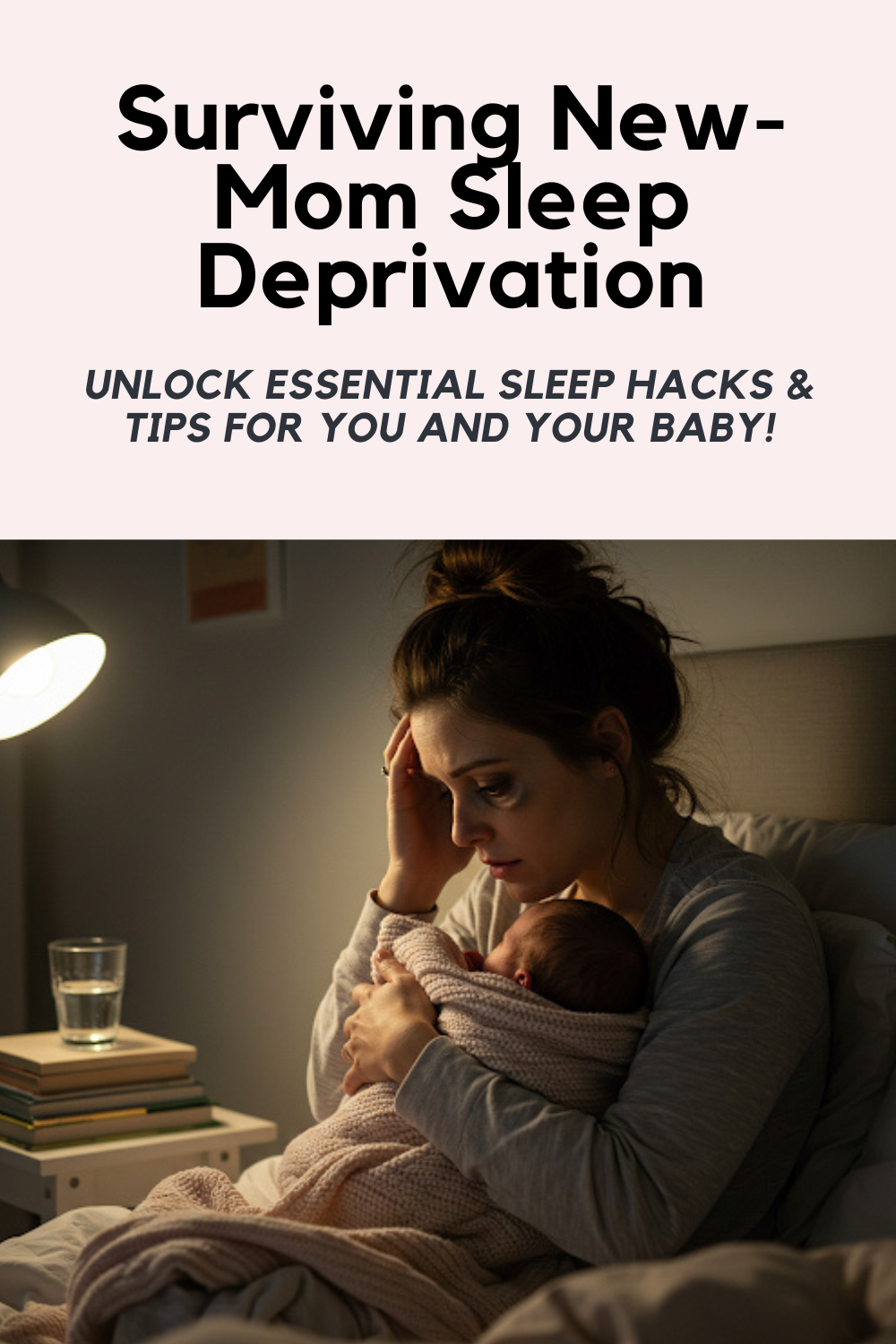
Becoming a new mom is exhilarating, but let’s be honest – it’s also exhausting. As a pediatric sleep specialist with over a decade of experience (and a mom who’s been through those bleary-eyed nights), I understand the fog of sleep deprivation that settles in during your baby’s first year. The good news is that those sleepless nights will pass . In the meantime, there are practical ways to cope. Below, I’ll walk you through real-life situation → solution tips for common sleep challenges in baby’s first year – all backed by trusted sources and a healthy dose of empathy.
A peacefully sleeping baby in a safe crib environment. Following safe sleep guidelines (baby on their back in a bare crib) helps new parents rest easier .
Challenge: Safe Sleep Setup When You’re Exhausted
Situation: It’s 3 AM and you’ve finally gotten your fussy newborn to drift off. You’re beyond exhausted. Laying them down in the crib feels like an Olympic feat – what if they wake up? You wonder if just this once you could doze off together in your bed or on the couch. Every bone in your body is tired, and the temptation to choose the easiest option (like co-sleeping) is so strong .
Solution: Create a safe sleep environment that also makes your life easier. Safe sleep isn’t just a guideline; it’s a lifesaver. Set up a bassinet or crib right next to your bed – that way, you can tend to your baby without a long trek across the house . According to the American Academy of Pediatrics (AAP), room-sharing (having baby in your room but not in your bed) for at least the first 6 months can reduce SIDS risk by up to 50% . Always place your baby on their back for sleep, on a firm, flat mattress with no loose bedding or toys . This safe setup means even when you’re groggy, your baby remains in a protected space.
- Resist Bed-Sharing: I know it’s tempting in your exhausted state, but sleeping in the same bed can be dangerous for baby. Soft pillows or blankets in an adult bed pose suffocation risks . Instead, when you feed or comfort baby at night, put them back in their own crib before you drift off. Think of the crib as a cozy safety zone you can always rely on.
- Stay Awake During Night Feeds: Dosing off mid-feed is common when you’re severely sleep-deprived. Try practical tricks to keep yourself alert while feeding: have a light snack or a glass of water, listen to quiet music or a podcast, or even set a phone alarm to buzz you every few minutes . Avoid feeding on a soft couch or recliner, where you might easily slump over . These steps help ensure you don’t accidentally fall asleep in an unsafe spot. If you do feel yourself nodding off, ask your partner to sit with you during the feed or take over if possible .
- Swaddle Safely for Sleep: A proper swaddle can work wonders (more on swaddling below), but always lay a swaddled baby on their back in the crib . Never put a swaddled infant face-down. Keeping your baby nearby in a bassinet, swaddled and on their back, allows you to rest easier knowing they’re secure.
By establishing a safe sleep space and habits from day one, you’ll gain peace of mind. Even in your most tired moments, you’ll know your little one is sleeping safely, and that helps everyone sleep better.
Challenge: Newborn Sleep Cycles Are All Over the Place
Situation: You’ve heard newborns sleep “all the time,” but your little one seems to wake up constantly. One moment they’re dozing off, 40 minutes later they’re squirming and hungry again. Day and night have blurred together for you. Perhaps your baby has their days and nights mixed up, ready to party at midnight but super sleepy at 10 AM. You wonder, “Is this normal? Will I ever sleep longer than 2 hours again?”
Solution: Understand that newborn sleep is naturally irregular (and temporary!). In the first weeks of life, babies truly do sleep a lot – typically 16 to 17 hours a day – but in very short bursts . It’s biologically normal for newborns to wake every 1–3 hours because their tummies are tiny and need frequent filling . In fact, most infants won’t start sleeping longer stretches (like 6+ hours in a row at night) until around 3 months old or once they’ve reached about 12–13 pounds . And some perfectly healthy babies won’t sleep through the night until closer to 1 year , so try not to compare with others.
- Roll with the 24-Hour Cycle: For the first few months, throw rigid “schedules” out the window. Instead, follow your baby’s lead with feedings and naps. If your newborn seems to have day-night confusion, gently help them adjust their internal clock. By day, keep the environment bright and chatty – open the curtains for sunlight and don’t worry about everyday noises. By night, keep lights dim and voices quiet, so baby starts to distinguish that nighttime is for sleep. This contrast helps over time. (Thankfully, most babies straighten out day-night reversal by around 6–8 weeks of age.)
- Don’t Expect Consistency (Yet): New parents often ask me, “How long should my baby be sleeping?” Truth is, there’s a huge range. One night you might get a blessed 4-hour snooze, the next night they’re up every hour. Remind yourself this inconsistency is normal and short-lived . By about 3–4 months, many babies consolidate sleep a bit more, maybe giving you that longer stretch after midnight. Until then, try to sleep in shifts (if you have a partner) or grab catnaps when you can.
- Maximize Night Sleep (for Both of You): You can gently start teaching day vs. night as mentioned, and also consider a “last feed” or routine before you sleep. For instance, a late-evening feeding (some call it a dream feed around 10–11 PM) can top off baby’s tank so you get a longer initial stretch of sleep. Keep night wakings low-key – a quiet feed, minimal interaction, and back to the crib. Over time, this cues your infant that nighttime is not playtime . It may help them settle back to sleep a bit faster, which in turn lets you snooze more.
Above all, remember that newborn sleep patterns won’t last forever. As your baby grows, their sleep will gradually organize – nights will get longer and more predictable. Hang in there through those 2 AM wake-ups, knowing that a more routine sleep schedule is on the horizon. And whenever possible, nap when the baby naps (yes, everyone says this – because it’s true!) . The dishes can wait; your rest is more important.
Challenge: Baby’s Moro Reflex Wakes Them Up (The Swaddle Dilemma)
Situation: Every time you gently place your newborn in the crib, within minutes those little arms fling out as if they’re falling – and boom, baby is awake and crying again. This startle reflex (the Moro reflex) is intense and keeps interrupting sleep. You’ve heard mixed messages about swaddling: Some say it’s a lifesaver for sleep, others warn it can be unsafe. You’re desperate for baby to feel secure and sleep longer, but you want to do it right.
Solution: Swaddle your baby safely to help them sleep – and know when to stop. Swaddling, when done correctly, is a time-tested technique to calm infants and reduce those startles that wake them . As a mom, I found swaddling my newborns’ tiny arms snugly by their sides gave them a womb-like security that often extended their sleep by precious minutes (or hours!). Here’s how to make swaddling work for you:
- Use the Right Technique: A proper swaddle should be snug but not too tight. Ensure you can slip two fingers between the blanket and the baby’s chest – this way it’s secure yet allows comfortable breathing . Keep baby’s hips loose (legs in a natural “frog” position) to allow healthy hip development . Many parents love modern swaddle sacks or wraps with Velcro – they take the guesswork out of wrapping and stay put through little squirms.
- Always Swaddle for Sleep on the Back: Safety first! A swaddled baby must always be placed on their back to sleep, never on the stomach or side . The swaddle should be below the neck – never cover baby’s face. Also be mindful of overheating: use a light cotton swaddle and make sure baby’s not too hot (check for sweating or flushed skin) . AAP guidelines note that weighted swaddles or blankets are not safe for infants , so stick to regular swaddle blankets.
- Know When to Stop Swaddling: This is key. Swaddling is wonderful for newborns, but it’s not meant for older babies who can roll over. Typically by 3 to 4 months old (sometimes earlier), babies start trying to roll. At the very first sign of rolling, it’s time to transition out of the swaddle . At that point, you can switch to a sleep sack or wearable blanket that allows arms free. (Some transition swaddles let you remove one arm at a time to wean off the swaddle gradually.)
- Use Swaddling as a Soothing Tool: Beyond just night sleep, a fussy baby might find comfort in a swaddle at nap time or during a bout of evening crankiness. If your little one is crying despite being fed and changed, try the “5 S’s” (popularized by Dr. Harvey Karp) – one of which is swaddling, along with shushing, swinging, sucking, and side/stomach holding (for calming only, not sleep). A snug swaddle plus gentle rocking and white noise can often turn an overtired newborn into a calm, sleepy one. It’s like a “reset” button for some babies.
Swaddling can be a lifesaver for new parents coping with frequent wake-ups. When your baby feels snug and secure, that startle reflex is kept in check, and they may learn to soothe themselves back to sleep more easily. Enjoy those adorable baby burrito moments – and take a breather while baby snoozes safely.
Challenge: Overtired Baby? Mastering Wake Windows
Situation: You’ve finally gotten into a bit of a rhythm, but some days your baby is extra fussy and fighting naps. Perhaps you notice they rub their eyes and yawn, yet when you try to put them down, they scream as if you offered a nap at the worst time. Other times, they catnap for 20 minutes and wake up cranky. You’re asking yourself, “Am I keeping them up too long? Not long enough? How do I hit that sweet spot so they actually sleep??”
Solution: Learn your baby’s “wake windows” – those ideal intervals of awake time – to prevent overtired meltdowns. Wake window simply means the amount of time your baby can handle being awake before they need sleep again . And guess what? It changes fast as they grow! For a newborn, it might be as short as 45 minutes before they need another nap, whereas a 6-month-old might stay happily awake for 2-3 hours . Timing is everything: put baby down too late and they’re overtired (hello, tears), put them down too early and they may not be ready to sleep.
- Know the Typical Wake Window for Baby’s Age: While every infant is unique, having a ballpark range helps. For example, newborns (0-1 month) might only manage 30 minutes to 1 hour awake (basically just enough for a feeding and diaper change!). By 3-4 months, wake windows stretch to roughly 1.5 to 2.5 hours . By 6-9 months, many babies handle 2-4 hours awake, and by 12 months, some can go 3-5 hours before needing sleep again . Keep these ranges in mind as a starting point. If your 4-month-old has been awake 3 hours and is losing it, they’re likely overtired – next time, try for a nap at 2 hours awake.
- Watch Baby’s Sleepy Cues: Numbers are helpful, but your baby will show you when they’re getting tired. Common sleepy cues include yawning, rubbing eyes, looking glassy-eyed or staring off into space, and reduced activity . Some babies get quiet; others get fussier – almost like “I don’t know what to do with myself.” The moment you see these cues and note that it’s been, say, 90 minutes since the last nap, start a short wind-down routine. Maybe change to a fresh diaper, dim the lights, have a calming cuddle or lullaby, then put baby down while they’re drowsy but still awake. Catching that window before they become overtired is key to easier sleep.
- Create a Wind-Down Ritual: Babies thrive on cues and consistency. As you spot sleepy signs, do a mini version of your bedtime routine before naps. This could be closing the curtains, singing a specific lullaby, or gentle rocking for a minute. It’s not elaborate – just something to signal “sleep is coming.” Then place baby in their crib sleepy but awake, so they have a chance to drift off on their own . Over time, this helps them learn to self-soothe and sleep more independently, which means less work for you in the long run.
- Avoid the Overtired Trap: An overtired baby actually has a harder time falling asleep and staying asleep (it’s ironic, we know!). When babies stay up too long, their bodies can release stress hormones that make them wired. This might cause more frequent night wakings or short, restless naps. Sticking roughly to age-appropriate wake windows and cues can prevent overtiredness, leading to longer, more peaceful sleep stretches . It also means you’re less likely to resort to last-ditch efforts like driving around the block or using the swing at 2 AM, which, while sometimes necessary, aren’t sustainable habits.
Understanding wake windows is like having a cheat sheet for your baby’s schedule. It can turn the guessing game of “Are you sleepy or not?” into a more predictable pattern. A well-timed nap = a happier baby and a more rested mom. Trust me, when you hit that sweet spot, you’ll feel like you unlocked a secret level in the parenting game!
Challenge: Frequent Night Feedings and Sleep Disruptions
Situation: Just as you fall asleep, you hear that tiny wail. Baby’s hungry again. In those early weeks, you’re feeding around the clock – it’s normal, but oh boy, it’s tiring. Even later, when you thought the worst was over, growth spurts hit (hello 3-month-old who suddenly wakes every 2 hours to eat!). Maybe your baby is cluster feeding in the evenings – wanting to nurse or bottle-feed every 30-60 minutes for several hours straight – leaving you absolutely drained by nightfall. You might wonder if you’re doing something wrong or if there’s a way to gently encourage longer stretches of sleep between feeds.
Solution: Anticipate and manage feeding-related wake-ups with smart strategies and realistic expectations. First, know that frequent night feeding is normal for young infants. Newborns typically feed every 2-3 hours, and sometimes even more often during growth spurts . Cluster feeding – when baby bunches several feedings close together – often happens in the first weeks (commonly around 2 weeks and 4-6 weeks old) . It’s Mother Nature’s way of boosting your milk supply and helping baby tank up on calories. The upside? Babies often give a longer sleep stretch after cluster feeding. The downside? It can turn your evening into one long feeding marathon.
- Tank Them Up During the Day: One tip from pediatricians is to encourage full feedings in the daytime so baby is less ravenous at night . Essentially, don’t let your little one “snack” all day – try to ensure they take as much milk as needed per feed before dozing off. This might mean undressing them a bit or tickling their feet to keep them awake through a full feeding. If they get most of their calories in during daylight, they may not demand as many at 2 AM. By bedtime, they’ll have a full tummy. (For breastfed babies, some moms also try an evening cluster feed on purpose – offering the breast frequently in late afternoon/early evening – to tank baby up before the night.)
- Recognize Hunger vs. Comfort Cues: Not every night awakening means baby is truly hungry. Babies, like the rest of us, have brief arousals between sleep cycles. Before immediately offering a feeding, listen and watch for a moment. If baby is just fussing lightly or making sleep noises, see if they resettle. If they ramp up to full crying and show hunger cues (rooting, lip smacking, hands to mouth) , then they likely need to eat. If they seem restless but not truly hungry (especially if it’s been a short time since the last feed), you can try other soothing techniques first: a pacifier, gentle patting or shushing, or re-swaddling if they’ve wriggled free . This helps baby learn they can fall back asleep without feeding every single time. Of course, for young infants, err on the side of feeding when in doubt – they do need those calories for growth! But as they get older (around 3-4 months and up), they might not need as many night feeds as they habitually take.
- Consider Dream Feed or Staggered Parent Shifts: A dream feed (feeding the baby late at night while they’re still half-asleep) works for some families. For instance, feed the baby around 10-11 PM, even if it means gently rousing them without fully waking. This might top them off so you can hopefully sleep from say 11 PM to 3 or 4 AM if baby cooperates. Another approach: if you have a partner, consider dividing night duties into shifts. Perhaps one does the late evening feeds while the other sleeps, then swap for the after-midnight wakings. If you’re breastfeeding, this could involve pumping so your partner can give a bottle during his shift . The goal is to allow each parent a longer uninterrupted snooze at least a few nights a week.
- When to Night-Wean: In the fog of exhaustion, you might dream of the day you don’t need to feed at 3 AM. Babies will gradually drop night feeds on their own as their stomach capacity grows – many can go longer stretches by 4-6 months. If by around 4 months your baby is still waking very frequently to eat and not stretching out sleep times, talk to your pediatrician. There may be gentle sleep training or night-weaning strategies to try . Every baby is different – some truly need night feeds longer than others (and that’s okay!). But if your little one is healthy, gaining weight, and over, say, 12-13 pounds, they might be capable of a bit longer sleep span. Sometimes just increasing daytime ounces or nursing sessions can naturally reduce night wakings.
Remember, those multiple night feeds are not a reflection of your parenting – they’re a phase most babies go through. Surviving it comes down to tag-teaming if possible, maximizing daytime feeds, and reminding yourself that baby’s tummy will grow with time. And if you’re bottle-feeding, one small mercy is that formula digests a bit more slowly, which might space out feedings a touch more (formula-fed babies sometimes wake less often overnight by comparison) . But either way, as your baby approaches 6 months and starts solids, nightly hunger usually diminishes. Take heart – your solid 7-hour sleep is on the horizon!
Challenge: Mom’s Own Sleep and Recovery (Learning to Rest)
Situation: “Sleep when the baby sleeps,” they say – but what if you can’t? Many new moms find that when the opportunity for sleep arises, they either have a million chores to catch up on, or they’re too anxious (or wired on coffee) to actually rest. Postpartum recovery is tough enough, and the constant sleep interruptions can leave you feeling like a zombie. Maybe you’re experiencing the baby blues or feelings of overwhelm. It’s hard to see straight when you’re severely sleep-deprived, and you worry how this exhaustion might affect your mood and health.
Solution: Prioritize your own rest and recovery as part of the parenting process – it’s not selfish, it’s necessary. As a mom, I know it’s easier said than done. But here’s the thing: when you get enough sleep, you’ll be a better parent . You’ll have more patience and emotional resilience to care for your baby. In fact, research shows that a lack of sleep can contribute to postpartum depression and anxiety . Protecting your sleep isn’t a luxury; it’s a vital part of taking care of your family. So how can you carve out rest in this chaotic season?
- Nap Whenever Possible: Yes, I’ll echo it again – nap when baby naps. Even if it’s a 20-minute snooze, it can make a difference. Newborns sleep off-and-on around 16+ hours a day (in short spurts) . If you only sleep during the night, you’re missing out on potential rest. Daytime naps help bridge the gap . If you have other children or responsibilities, this is where you call in reinforcements (more on that in the next section). Even if you can’t actually sleep, just lying down in a quiet room to rest your eyes counts. One trick: during a night feed, minimize your exposure to bright light (use a nightlight rather than glaring phone screen) so that after the feeding, you can fall back asleep more easily.
- Let Go of Perfection: Your house might be messy. Laundry might pile up. It’s okay. Skip non-essential chores and choose sleep over housework whenever you can . Think of it this way: no one remembers if the kitchen was spotless during those newborn months, but your health and sanity during this time are what truly matter. If you have visitors coming, they will understand if you haven’t vacuumed – and if they don’t, hand them the vacuum! Sometimes you have to be a little selfish about guarding your rest.
- Mind Your Mental Health: If you find yourself lying awake even when the baby is sleeping – racing thoughts, anxiety, or insomnia – take note. Postpartum hormones can wreak havoc on sleep, and extreme sleep deprivation can trigger or worsen depression . Don’t hesitate to mention to your doctor how you’re feeling. Sometimes improving sleep quality (through short naps, help at night, or even medical advice for insomnia) can dramatically improve mood. Some moms find relief in practices like meditation or breathing exercises to calm the mind when an opportunity to sleep arises. Even a warm shower or gentle stretching before a nap can relax you enough to doze off.
- Use Your Support System: This overlaps with partner help, but it’s integral to your recovery. If a friend or relative asks “How can I help?”, be ready with an answer: maybe it’s holding the baby for an hour while you nap, or bringing over a pre-cooked meal so you don’t have to think about dinner. Accept help and don’t try to be a supermom who does it all . In many cultures, new mothers are expected to do nothing but rest and care for the baby for several weeks postpartum while the community handles everything else. Give yourself that permission if you can. Your job is to recover and bond with baby; let others lighten the load when possible.
Finally, be kind to yourself. Lack of sleep can make anyone feel like they’re not cut out for this parenting thing, but that’s just the exhaustion talking. You are doing an amazing job under tough conditions. Whenever you can grab an extra hour of sleep, do it guilt-free – the dishes will still be there later, but you’ll tackle them with a bit more energy after a rest. And remember, as your baby learns to sleep longer, you will too. This phase is intense, but temporary.
Challenge: Getting Your Partner (and Village) Involved
Situation: You feel like everything falls on your shoulders – the feeding, the soothing, the worrying, the Googling at 2 AM. If you have a partner, they might be asking, “How can I help?” or maybe they’re inadvertently not doing as much at night because you’re breastfeeding or you’ve taken on the role of the “light sleeper.” Perhaps you’re a single mom or your partner works long hours, and you need to lean on others. Either way, doing this alone is not sustainable. You need a break, support, and teamwork to survive the marathon of baby’s first year.
Solution: Embrace help from your partner, family, or friends – and don’t be afraid to delegate. The old saying “it takes a village” is never more true than in the throes of new parenthood. If you have a spouse or partner, involve them from the start. Even if mom is breastfeeding, there are plenty of ways partners can share the load so that mom gets some much-needed rest . And if you’re parenting solo, build your village – whether it’s grandparents, siblings, or trusted friends and babysitters.
- Tag-Team the Nights: Sit down with your partner and come up with a night strategy. For example, take shifts at night – one handles pre-midnight wake-ups, the other handles early morning wake-ups. Partners can also handle duties like diaper changes and burping after a feeding, so that mom can lay back down sooner. If you’re pumping or using formula, partners can take on some of the feedings fully . I often advise dads and non-birthing partners: don’t wait to be asked – jump in and take charge of certain nights or early mornings. Even one uninterrupted 4-5 hour sleep block for mom a few times a week is golden for her recovery.
- Share the Evening Routine: Bedtime (and nap time) routines shouldn’t be a one-person show. Have your partner participate in the safe sleep routine – maybe one of you does bath time and pajamas, the other does the final feeding or rocking, and then you both practice laying baby down drowsy but awake . This not only gives you a break, but it also helps baby get used to being comforted by either caregiver. For mom, letting go of the reins can be hard, but trust that your partner can handle it (maybe not exactly the way you would, but that’s okay!). Over time, you two will become a well-coordinated team, and baby will benefit from the extra love and consistency.
- Call in the Cavalry: Don’t underestimate the willingness of friends and family to help – sometimes they just need guidance on what you need. Is there a relative who can come over one afternoon a week so you can nap? Or a friend who might drop off a meal? Perhaps another mom friend can trade babysitting shifts once you’re comfortable, so each of you gets a break. If you have the resources, consider hiring a postpartum doula or a night nurse for a short period – their job is literally to care for the baby (and often help with household tasks) so you can sleep. It can be a worthwhile investment in your sanity.
- Communicate Your Needs: This is huge. Partners are not mind readers, and in the haze of exhaustion, resentments can quietly build. Instead of hoping your partner will notice you haven’t showered in 3 days and offer to watch the baby, tell them directly: “I need a 2-hour break tomorrow to rest/take care of myself.” Most partners want to help, they just may not know the best way. So spell it out and don’t feel guilty. The same goes for other helpers – if your mom is willing to help, ask her to come by at 7 AM so you can catch a morning nap, or to handle laundry, etc. You deserve support.
Remember, you’re not meant to do this alone. Even as a sleep specialist, I relied on my husband and family immensely with each of my newborns. It not only gave me relief, but it also helped my partner bond with the baby through nighttime rocking and early morning cuddles. When you share the load, you also share the joy (those sweet sleepy baby moments are some of the best!). Plus, getting consistent help can significantly reduce parental exhaustion – and a less exhausted parent is a healthier, happier parent.
In closing, sleep deprivation in the first year is real, but it will get better. By implementing these hacks – from safe sleep setups and swaddling to mastering wake windows and asking for help – you’re setting yourself and your baby up for healthier sleep habits. Be gentle with yourself on the hard days (or nights). As both a professional and a mom, I promise you that no parent does everything “perfectly” – we all learn as we go, coffee in hand. Cherish those quiet moments rocking your baby in the wee hours, knowing they won’t last forever. And whenever you can, catch those extra ZZZs guilt-free, because taking care of yourself is taking care of your baby.
You’ve got this, and sweeter dreams are ahead! 😴💜
Don’t wait until the sleepless nights break you.
This gentle bundle is more than a guide — it’s your emotional backup plan.
Track what matters. Stay grounded.
Protect your peace — starting tonight.
Grab the Newborn Survival Bundle here. https://payhip.com/b/kfY7F
Sources:
- Moon R.Y., MD, FAAP. Safe Sleep Tips for Sleep-Deprived Parents. HealthyChildren.org (AAP) .
- Centers for Disease Control and Prevention (CDC). Helping Babies Sleep Safely .
- Stanford Children’s Health. Infant Sleep – Sleep Needs and Patterns .
- Jana L., MD, FAAP & Shu J., MD, FAAP. Good Night, Sleep Tight: How to Swaddle Your Baby. HealthyChildren.org .
- Cleveland Clinic – Barrett K., MD. What Are Baby Wake Windows? .
- Lurie Children’s Hospital – Kotagal T., MD. Cluster Feeding FAQs .
- Johns Hopkins Medicine – Pien G., MD. New Parents: Tips for Quality Rest .
- Sleep Foundation – Sleep Deprivation and Postpartum Depression .