
Plastic waste is a growing environmental concern, and one of the most significant places where it accumulates is in the kitchen. For care homes, reducing plastic not only helps contribute to a more sustainable environment but also promotes a healthier lifestyle for residents and staff alike. Below are 39 simple and effective ways to reduce plastic in your care home's kitchen, from sourcing food to switching out cleaning products.
The Plastic Problem in the Kitchen Plastic is a versatile and durable material, but it often ends up as single-use items that we discard after only a short time. For care homes, this means excessive amounts of plastic food packaging, utensils, and cleaning supplies that can pile up quickly.
Unfortunately, much of the plastic used in kitchens ends up in landfills, where it can remain for hundreds of years. While some plastics are recyclable, only a small percentage is actually recycled. The rest lingers in landfills, oceans and the environment. Reducing plastic in your care home kitchen can be an essential step in minimizing environmental impact while supporting your sustainability goals.
How to Begin Reducing Plastic in Your Care Home Kitchen
The first step is to audit the plastic items in your care home kitchen. This will give you a clearer picture of where plastic is being used most and where you can start making changes. You can begin with simple, manageable steps, and over time, gradually incorporate more sustainable alternatives.
26 Ways to Reduce Plastic in Your Care Home Kitchen
1. Buy Loose Produce and Local Goods
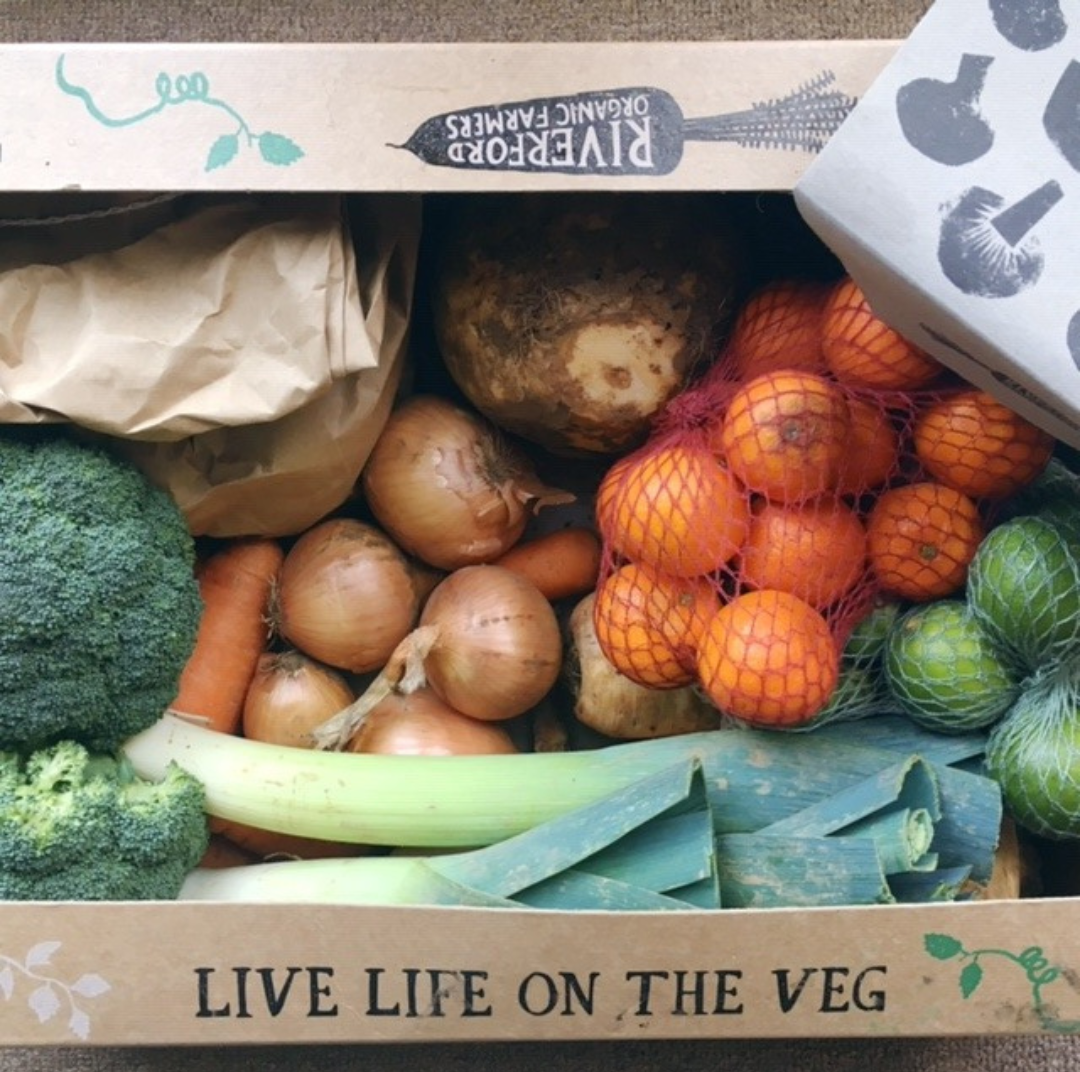
Encourage the purchase of fresh, loose fruit and vegetables from local markets or greengrocers. You can even consider setting up a regular delivery from a local farm or box scheme that uses compostable packaging.
2. Opt for Refill Shops
Purchase herbs, spices, and dry goods like pasta, rice, beans and grains, in refillable containers. This eliminates plastic packaging and reduces waste.
3. Buy Fresh Meat and Fish Without Plastic Wrapping
Support local butchers or fishmongers who can wrap items in paper or place them in reusable containers.
4. Go Plastic-Free with Dairy Products
Encourage the use of glass bottles for milk, or purchase from milk vans instead of supermarket plastic cartons.

5. Switch to Tap Water
Reduce bottled water consumption by offering tap water with reusable bottles.
6. Make Your Own Filtered Water
Invest in a charcoal filter instead of buying plastic-filtered water products.
7. Purchase Drinks Without Plastic Rings
Encourage buying beer or canned beverages packaged in cardboard, eliminating plastic rings.
8. Choose Plastic-Free Tea and Coffee
Look for tea brands that use paper bags instead of plastic, or opt for loose-leaf tea. Switch to coffee in glass jars with aluminum lids.
9. Purchase Fresh Bread Without Plastic Packaging
Encourage buying fresh bread from local bakeries that use paper or cloth packaging, or make your own.
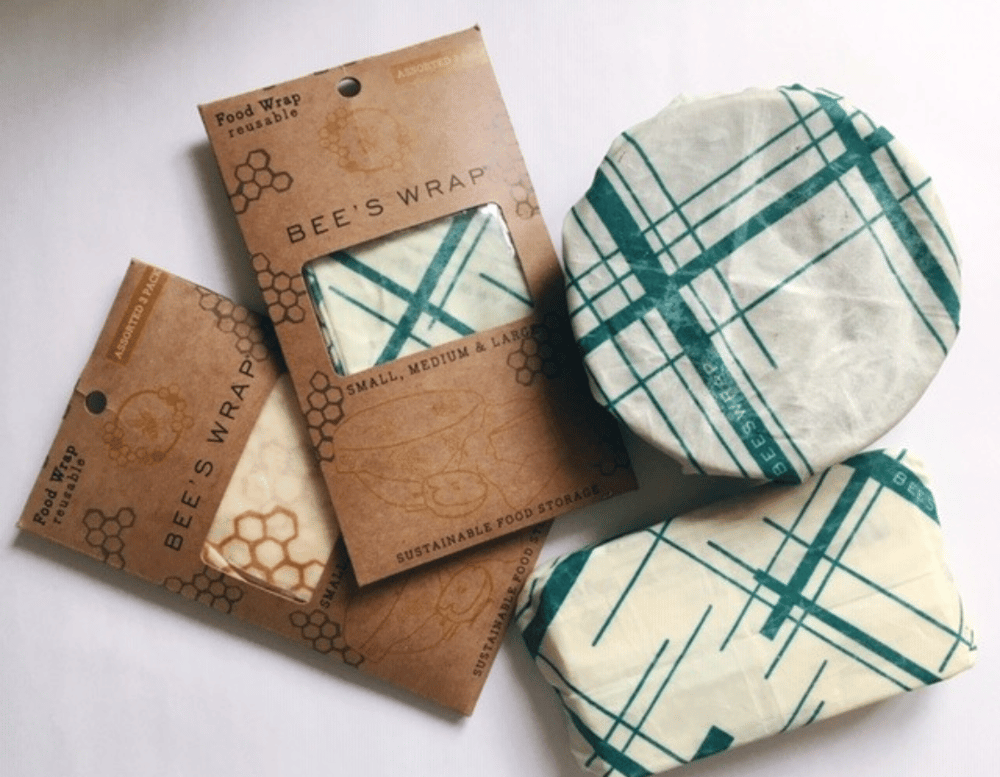
10. Use Beeswax Wraps Instead of Clingfilm
Instead of clingfilm, opt for reusable beeswax wraps to store food items.
11. Repurpose Glass Jars for Food Storage
Save and reuse glass jars to store dried goods, helping eliminate plastic storage containers.
12. Support Plastic-Free Takeaways
When ordering a takeaway, request that the restaurant uses recyclable or reusable packaging, or consider making takeaway-style meals in-house.
13. Avoid Plastic Straws
Refuse plastic straws at your care home and use reusable alternatives or eliminate straws altogether.
14. Opt for Cloth Napkins
Instead of disposable paper napkins, use cloth napkins that can be washed and reused.
15. Use Fabric Wipes for Cleaning
Replace disposable wet wipes with reusable cloth wipes that can be washed and reused.
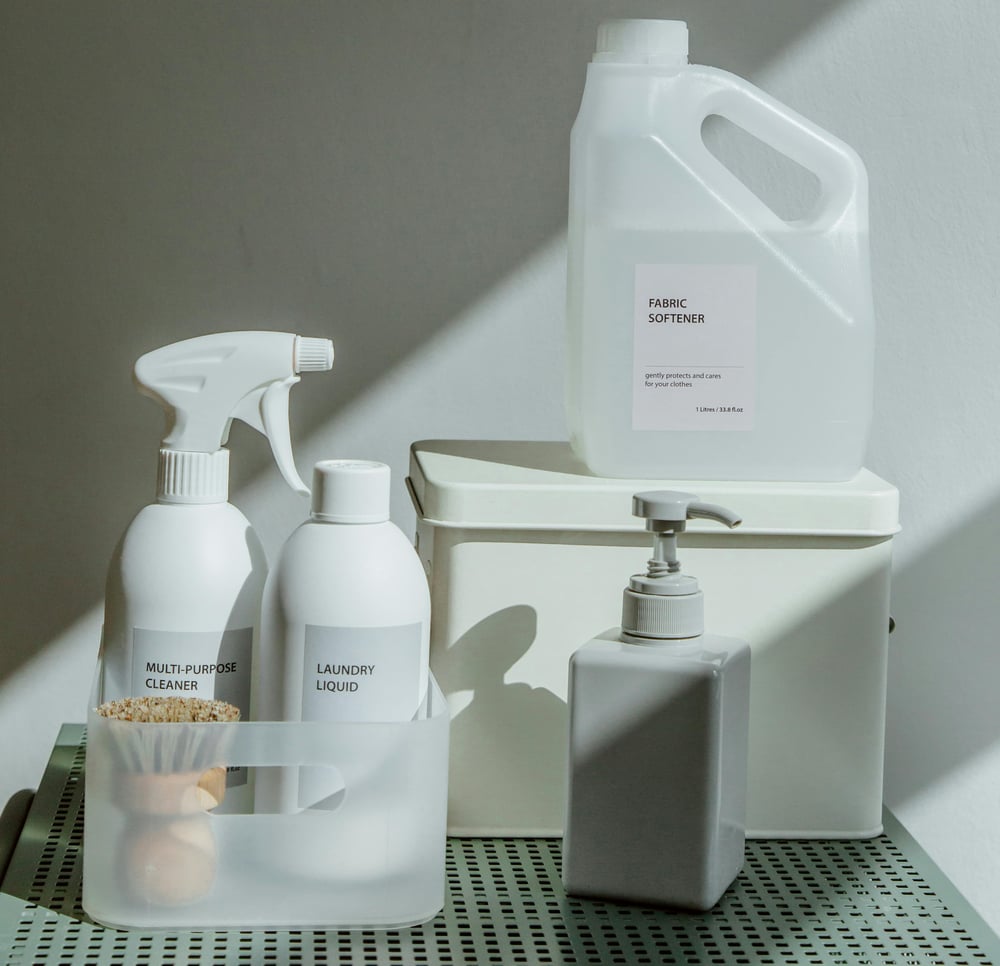
16. Use Refillable Cleaning Products
Switch to refillable cleaning products to avoid single-use plastic bottles. Many eco-friendly stores offer cleaning supplies in bulk.
17. Buy Kitchen Cleaning Products in Bulk
Switching to bulk supplies can help reduce the amount of plastic you buy and can save money too.
18. Use Natural Cleaning Cloths
Swap plastic sponges and scrubbers for coconut-based sponges, bamboo brushes and reusable cotton cleaning cloths that can be washed and reused or composted.
19. Use Compostable Rubbish Bags
Switch to home compostable trash bags instead of plastic ones, which are a more environmentally-friendly option.
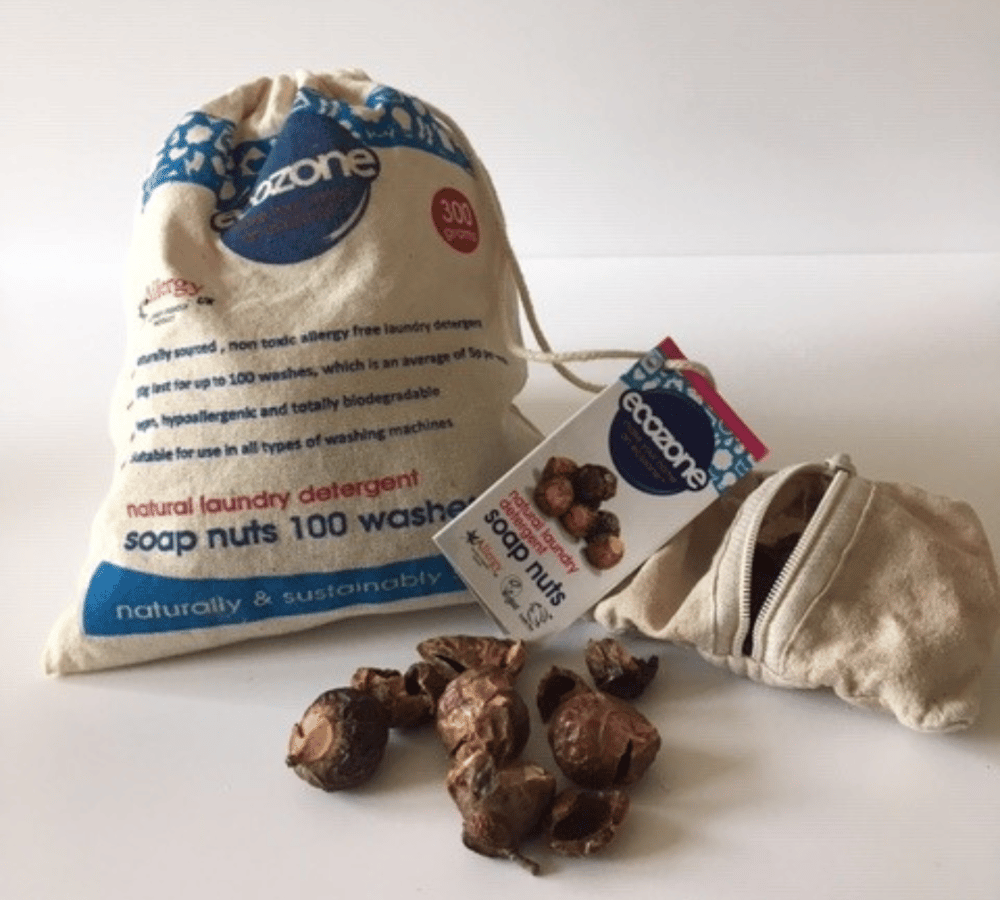
20. Switch to Eco-Friendly Laundry Detergents
Choose bulk or refillable laundry detergent to minimize plastic packaging or switch to natural laundry detergent alternatives, such as soap nuts, and avoid plastic fabric softeners.
21. Use Wool Dryer Balls
Switch to wool dryer balls to reduce plastic waste from dryer sheets.
22. Use Microplastic-Catching Laundry Bags
Reduce microplastic pollution from synthetic fibers by using a microfiber-catching laundry bag.
23. Avoid Synthetic Fabrics
When purchasing new items for the care home, prioritise natural fibers like cotton or linen, which shed fewer microplastics.
24. Opt for Plastic-Free Dishwashing Alternatives
Use soap bars or bulk dish soap to avoid plastic packaging in dishwashing products.
25. Replace Plastic Dishwasher Tablets
Switch to dishwasher tablets packaged in cardboard boxes instead of plastic.
26. Use Bamboo or Reusable Kitchen Towels
Instead of disposable kitchen roll, opt for bamboo paper towels or reusable cloth towels.
Conclusion
By reducing plastic in your care home kitchen, you're not only helping the environment but also promoting sustainability within your organization. The 26 tips outlined above are just a starting point—by making even small changes over time, you can significantly reduce plastic waste and contribute to a cleaner, healthier world.
Start with one or two simple swaps, and as your care home becomes more accustomed to reducing plastic, gradually incorporate more eco-friendly alternatives. Each step you take makes a difference in creating a more sustainable environment for both your residents and staff.
If you want to share your plastic-reduction journey or ask for advice on implementing these changes in your care home, feel free to contact us!