

Reducing water waste is a crucial issue in today's world, especially in care homes where daily water consumption can be high. With only 2.5% of the Earth's water being freshwater, and a mere 0.2% of that being accessible for human use, it’s vital that every care home takes steps to conserve water. Wasting water compromises the health of our planet and future access to clean, potable water. The good news is that your care home can play a major role in reducing water waste by adopting simple, yet effective, practices. Below are 20 practical ways to prevent water waste in your care home.
Why Reducing Water Waste in Your Care Home Matters
Care homes use large amounts of water every day, from bathing and cooking to cleaning and laundry. But not all of this water is used efficiently. By focusing on reducing water waste, care homes can lower their utility bills, protect the environment, and promote sustainability within their communities. By incorporating water-saving measures, your care home can make a significant impact on the planet’s water supply and create a more sustainable environment for both staff and residents.
20 Simple Ways to Prevent Water Waste in Your Care Home
Here are 20 simple and effective actions your care home can take to reduce water waste:
1. Track Water Usage Regularly – Monitoring your care home’s water meter will help you identify areas of waste and track improvements over time.
2. Fix Leaking Taps Immediately – Even small leaks can waste gallons of water each day. Prompt repairs can make a big difference in reducing water waste.
3. Avoid Waste Disposal Units – These devices require 10-20 litres of water to operate efficiently. Avoid using them to save water.
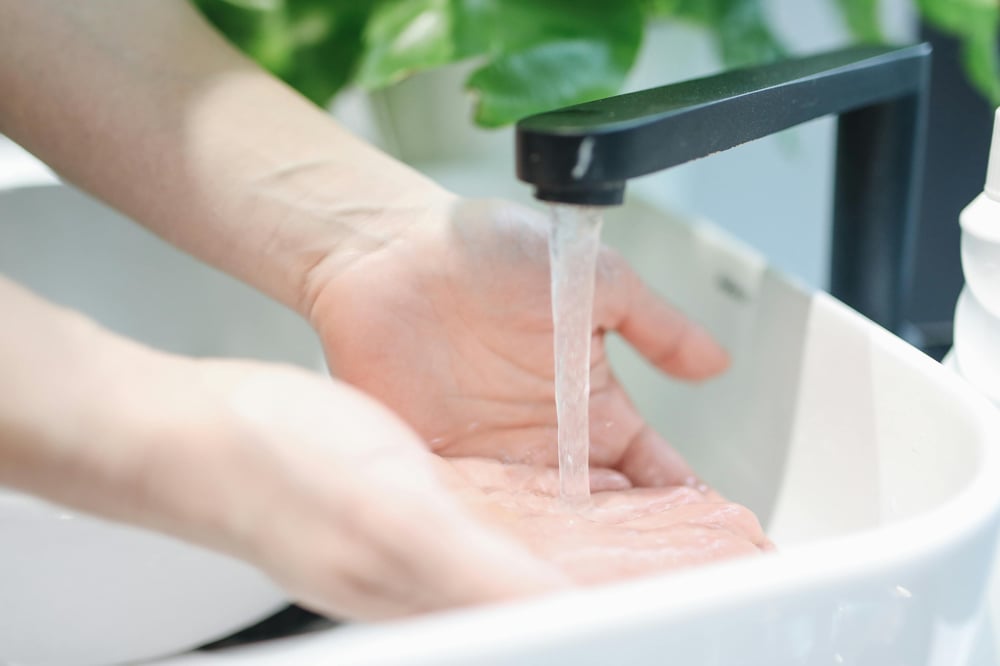
4. Turn Off the Tap When Handwashing – Wet your hands, turn the tap off to scrub with soap, then rinse under running water. This simple action can save water.
5. Encourage Showering Over Bathing – Showers typically use less water than baths, saving up to 50 litres per wash.
6. Install Water-Saving Shower Heads – These can save around 30 litres of water per shower.
7. Run Shallower Baths for Service Users – Reducing the depth of the bathwater saves significant amounts of water without compromising care.
8. Recycle Bath Water for Plants – Reusing bath water for watering garden plants can reduce water waste.
9. Install Water Butts in the Garden – Collect rainwater to water your garden, which can reduce your reliance on mains water.
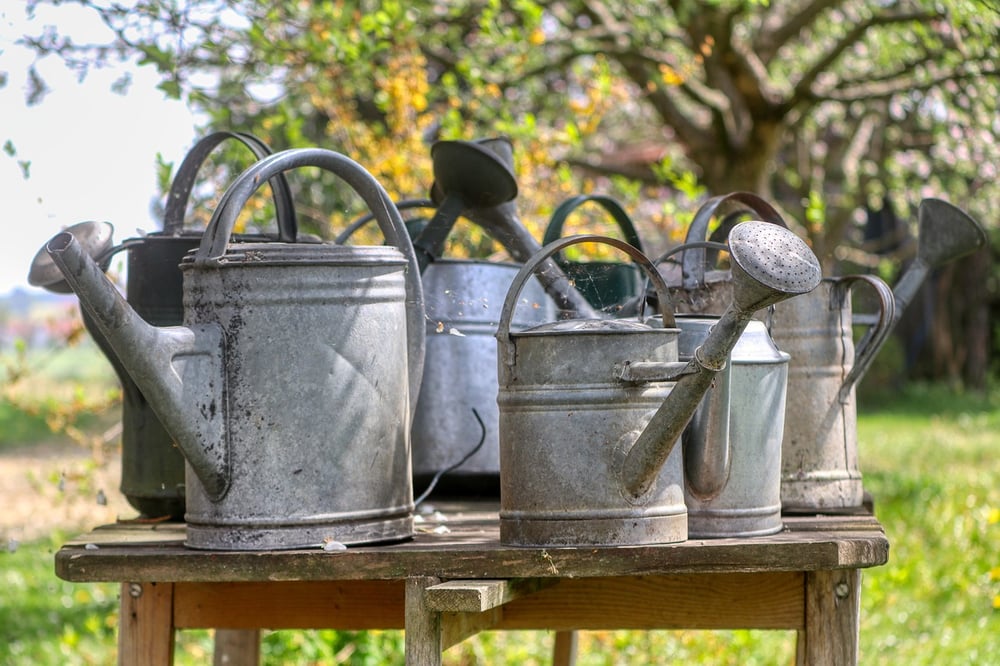
10. Avoid Water Sprinklers – Grass can survive without regular watering from sprinklers, reducing the need for water use in the garden.
11. Use the Dishwasher for Washing Dishes – Dishwashers are often more water-efficient than washing by hand. If handwashing is necessary, fill two bowls – one for washing and one for rinsing.
12. Use Water-Saving Devices in Toilets – Installing a water-saving device in your care home's toilets can save 2-3 litres per flush.
13. Dual Flush Toilets – Make sure toilets have dual flush systems, and train staff to use the correct flush depending on waste.
14. Eat Less Meat – The water used in animal farming is substantial. Reducing meat consumption helps conserve water on a larger scale.
15. Wash Fruits and Veggies in a Bowl of Water – Instead of rinsing produce under running water, use a bowl of water to wash them and reduce water waste.
16. Use Cooled Cooking Water for Plants – Water used for cooking pasta or vegetables can be reused to water non-edible plants.
17. Reduce Paper Consumption – The production of paper uses vast amounts of water. Switch to digital records and read emails and reports online to cut down on paper waste.
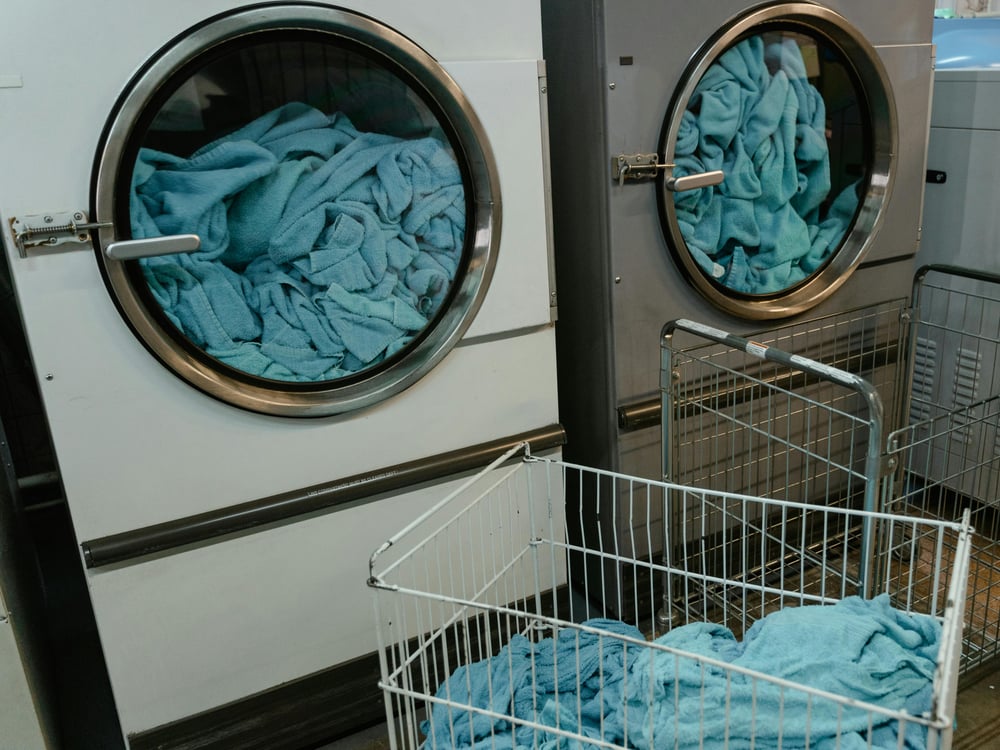
18. Use Full Loads in the Washing Machine – Ensure laundry machines are filled to capacity to maximize water efficiency.
19. Limit Plastic-Wrapped Products – Reducing plastic-wrapped goods lowers the water required for their production and reduces waste overall.
20. Choose Water-Efficient Equipment – When purchasing new dishwashing or laundry equipment, opt for machines with A and B ratings to save water.
Conclusion
Reducing water waste in care homes not only saves money but also helps preserve our precious freshwater resources for future generations. By implementing these 20 simple strategies, your care home can make a real difference in conserving water and promoting sustainability. Every small change adds up, and together, we can create a water-wise environment that benefits everyone—residents, staff, and the planet.
Get in Touch
Have any other water-saving tips or suggestions? Let us know by contacting us through the form below.