
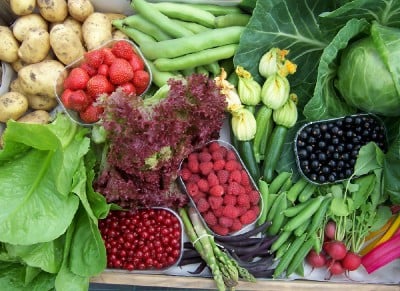
Eating sustainably on a budget is possible! With a few simple changes to how we shop, cook, and eat, it's easier than you might think to protect the planet and your wallet. As a home care agency, you can pass these practical tips on to service users, helping them eat more sustainably while sticking to their budget.
1. Buy Seasonal Fruit and Vegetables
Seasonal produce is not only better for the environment, but it's also cheaper. When fruit and vegetables are in season, they're plentiful, and often grown closer to home, which reduces transportation costs. Help service users understand what’s in season throughout the year:
• Winter: Root vegetables like carrots, parsnips, and cabbage.
• Spring: Lighter vegetables like spinach and spring onions.
• Summer: Salad-friendly veggies like tomatoes, cucumbers, and peppers.
• Autumn: Squashes, pumpkins, apples, and pears.
2. Choose Produce Without Plastic Wrapping
Encourage service users to buy loose vegetables and fruits, which are often less expensive and much more eco-friendly than pre-packaged options. Many local markets or farm shops offer fresh produce without plastic wrapping, helping both the environment and their budget.
3. Opt for Sustainably Produced Foods
Encourage service users to buy organic or sustainably farmed products. Organic produce often avoids harmful chemicals, and grass-fed meat can be a healthier choice. While these options might cost a little more, many local farms or box schemes offer competitive prices. Support local farms or co-ops, which often provide fresh, sustainably grown foods at a lower cost.
4. Avoid Food Waste
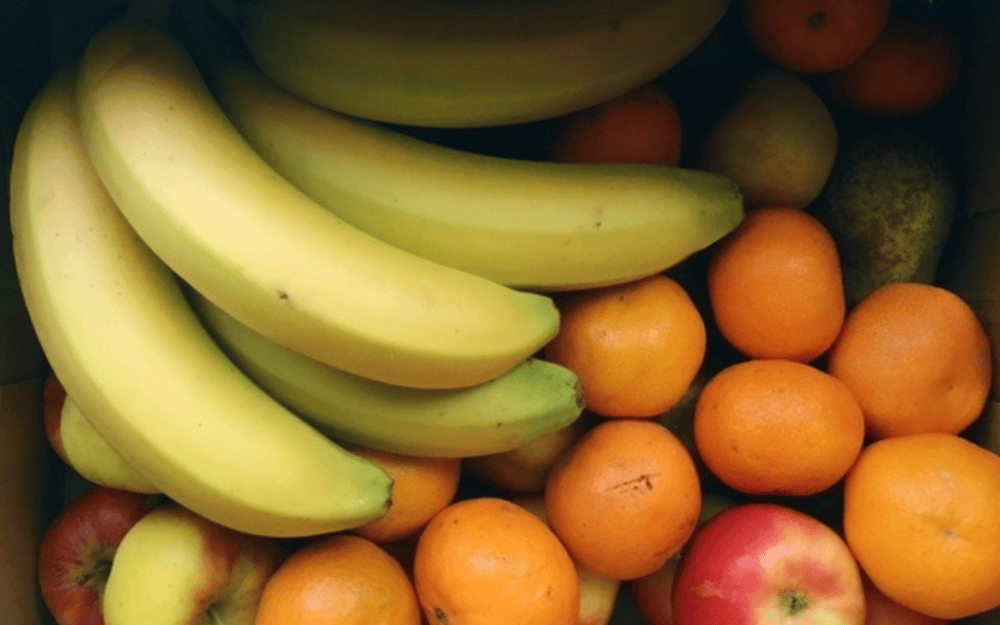
Help service users plan meals to prevent waste and unnecessary spending. Encouraging them to make a weekly meal plan and use up leftovers can significantly reduce food costs. For example, using leftovers in soups or stews can be a great way to stretch meals. Why not use our menu plan to help with this. You can find it here.
5. Reduce Meat Consumption
Meat can be expensive and resource-intensive. Encourage service users to reduce their meat intake and substitute with more affordable plant-based proteins like beans, lentils, and tofu. Cutting down on meat not only saves money but also helps reduce the environmental impact of food production.
6. Embrace a Plant-Based Diet
A plant-based diet can be more affordable and sustainable, especially when focusing on locally grown vegetables and grains. Educate service users about how to incorporate more plant-based meals into their diet without sacrificing nutrition. It's also a great way to save money on groceries.
7. Grow Your Own Food
If the service user has access to a garden or even a small balcony, growing their own fruit and vegetables can be a rewarding and cost-effective option. Simple plants like herbs, lettuce, or tomatoes can be grown easily, providing fresh food without the plastic waste.

8. Cook from Scratch Using Fresh Ingredients
Cooking from scratch can be much cheaper than buying ready-made meals, and it allows for more control over the ingredients, helping avoid unnecessary additives. Encourage service users to start small—perhaps with easy-to-follow recipes like soups or stews—and batch cook to save time and money later in the week.
9. Use Energy-Efficient Cooking Methods
To save on energy costs, suggest that service users cook using just one appliance when possible. For example, if they’re using the oven for a roast, they can cook vegetables at the same time, saving energy. A slow cooker or steamer is also a great way to cook multiple foods efficiently, using less energy and reducing cooking time.
10. Make the Most of Leftovers
Instead of tossing out leftovers, encourage service users to repurpose them into new meals. For example, leftover roast vegetables can become a soup, or extra meat can be turned into a stir-fry or casserole. Leftover rice can be made into a rice pudding, and mashed potatoes can be used to create croquettes.
Conclusion
Eating sustainably on a budget is achievable for everyone. By making small changes like buying seasonal produce, cutting down on meat, and avoiding waste, service users can make a big difference for the planet while keeping their food costs low. Encourage them to plan their meals, try plant-based options, and experiment with cooking from scratch.
If you have more tips or need assistance with any of these suggestions, feel free to reach out!