


About Lancashire Language Academy
Across much of Europe and the wider world, learning a second language is seen as a normal part of life and education, valued alongside core subjects such as maths.
In many countries, children begin learning English from as young as three years old, helping language learning become something natural from an early age. Adults also continue studying languages throughout their lives.
In the UK, however, languages are often only taken more seriously once children reach secondary school, by which point attitudes and confidence may already have been shaped. Many people still see languages as something that are “just for school”, or assume that once they reach adulthood, it is somehow “too late” to start.
Our mission is to change that mindset. We want to stop people limiting themselves because of their age, confidence or past experiences with languages at school, and instead make language learning feel accessible, achievable and worthwhile at every stage of life.
Research increasingly shows that learning a language is one of the most effective ways to keep the brain healthy. Like any muscle, the brain needs to be challenged to stay strong. Studies have found that bilingualism is associated with better memory, greater mental flexibility, improved attention and problem-solving skills, and can delay the onset of dementia and cognitive decline by several years. While learning a language cannot prevent dementia, it is one of the most powerful lifestyle activities we know of for building cognitive reserve and keeping the brain active throughout life.
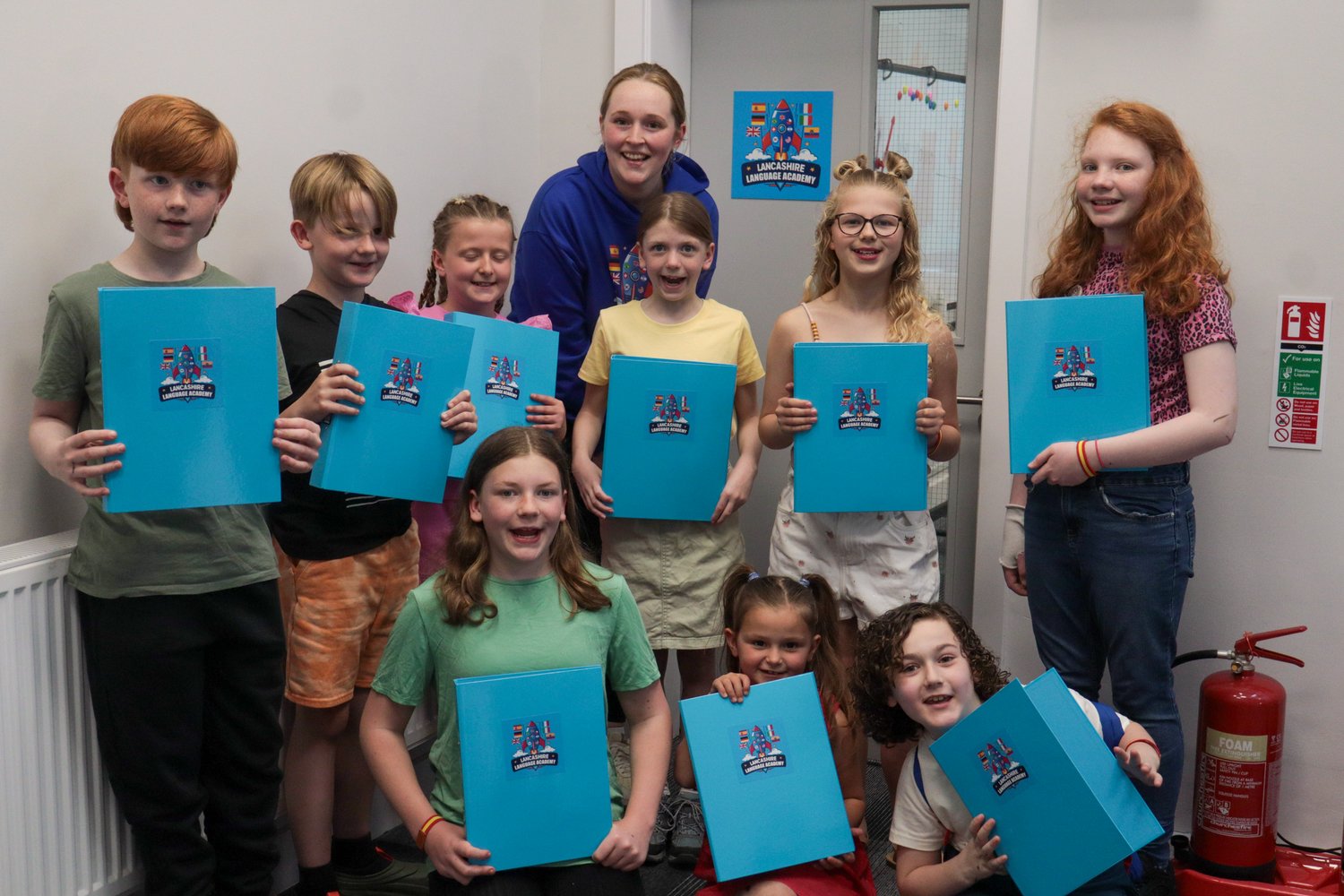
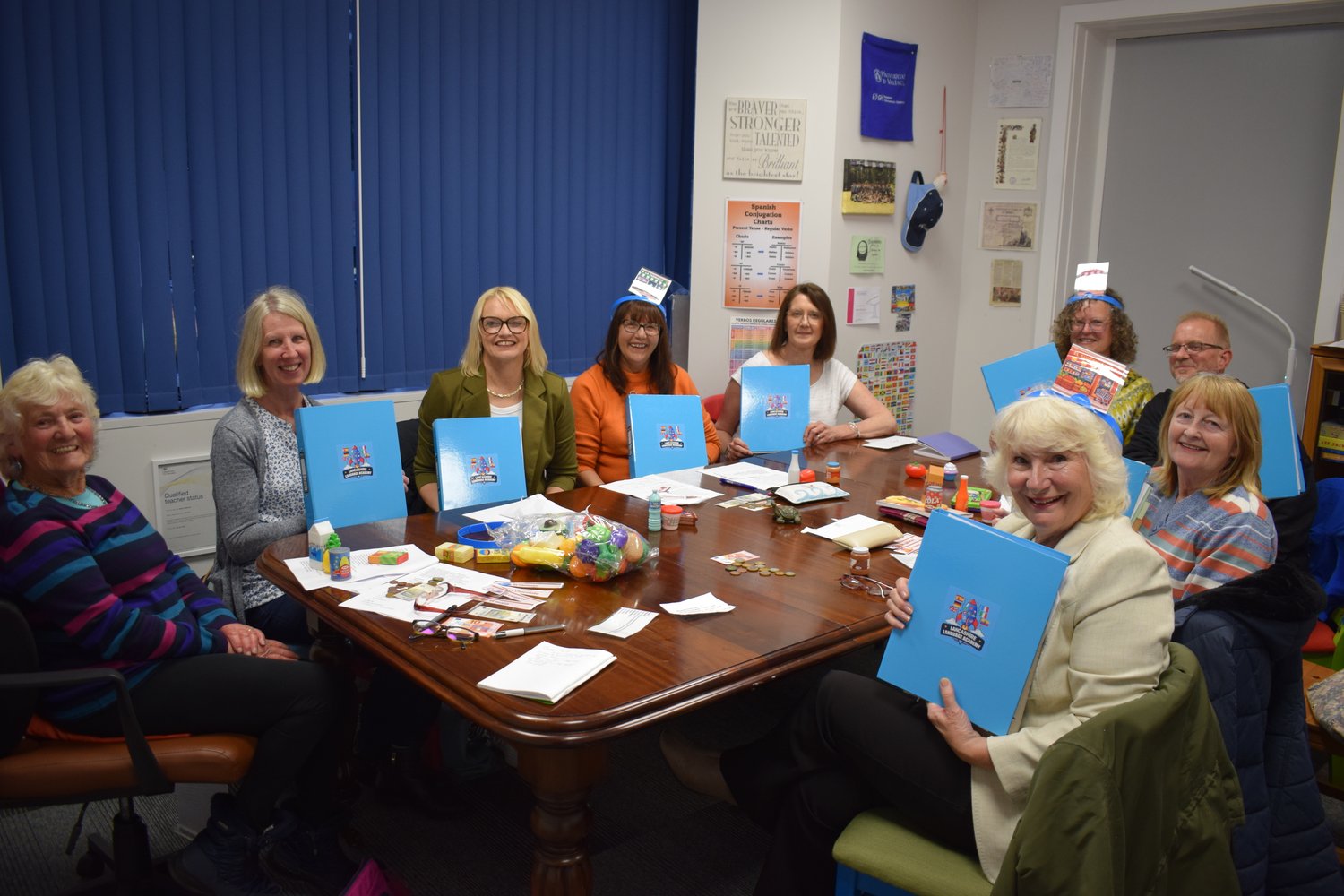
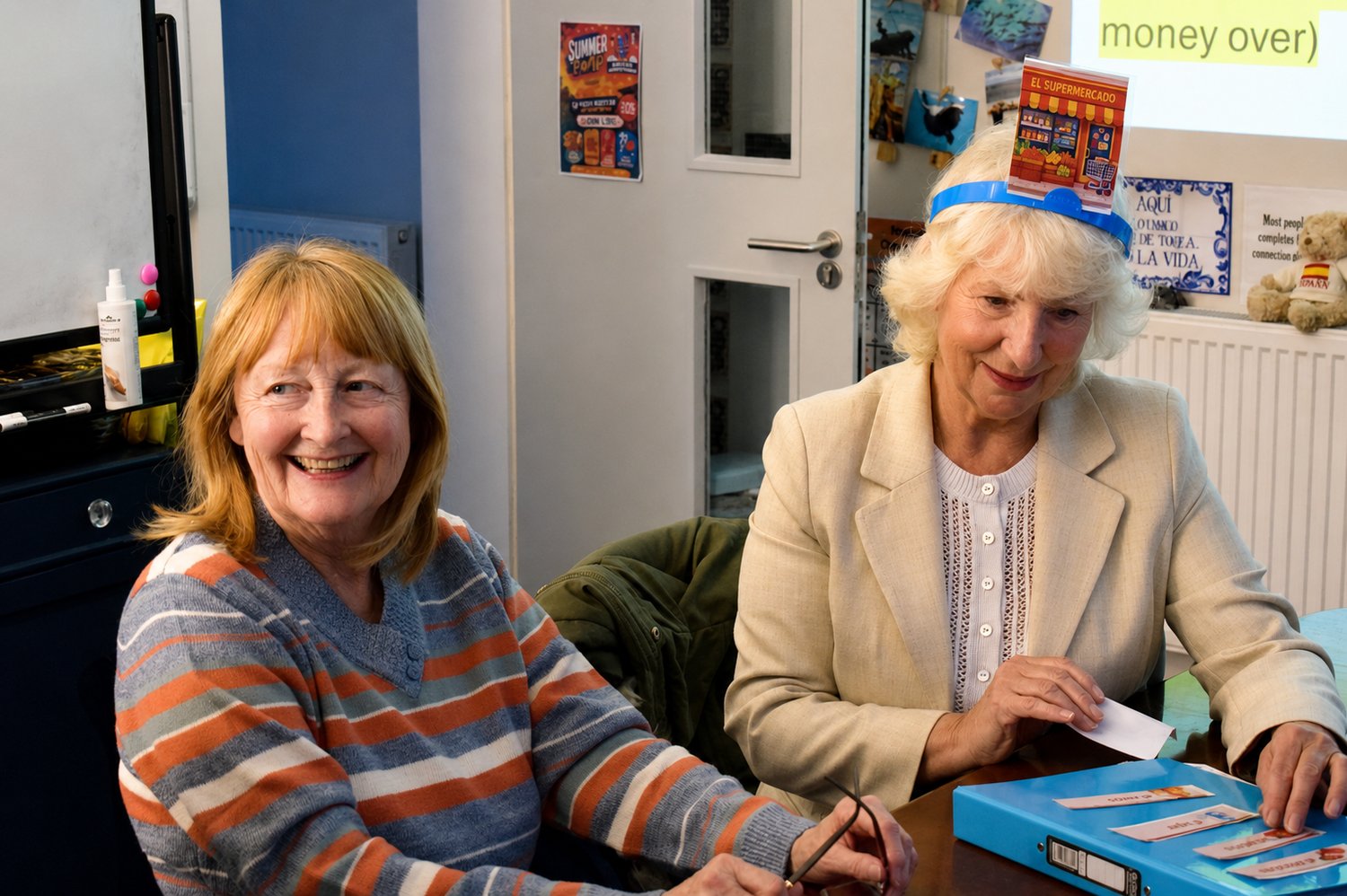
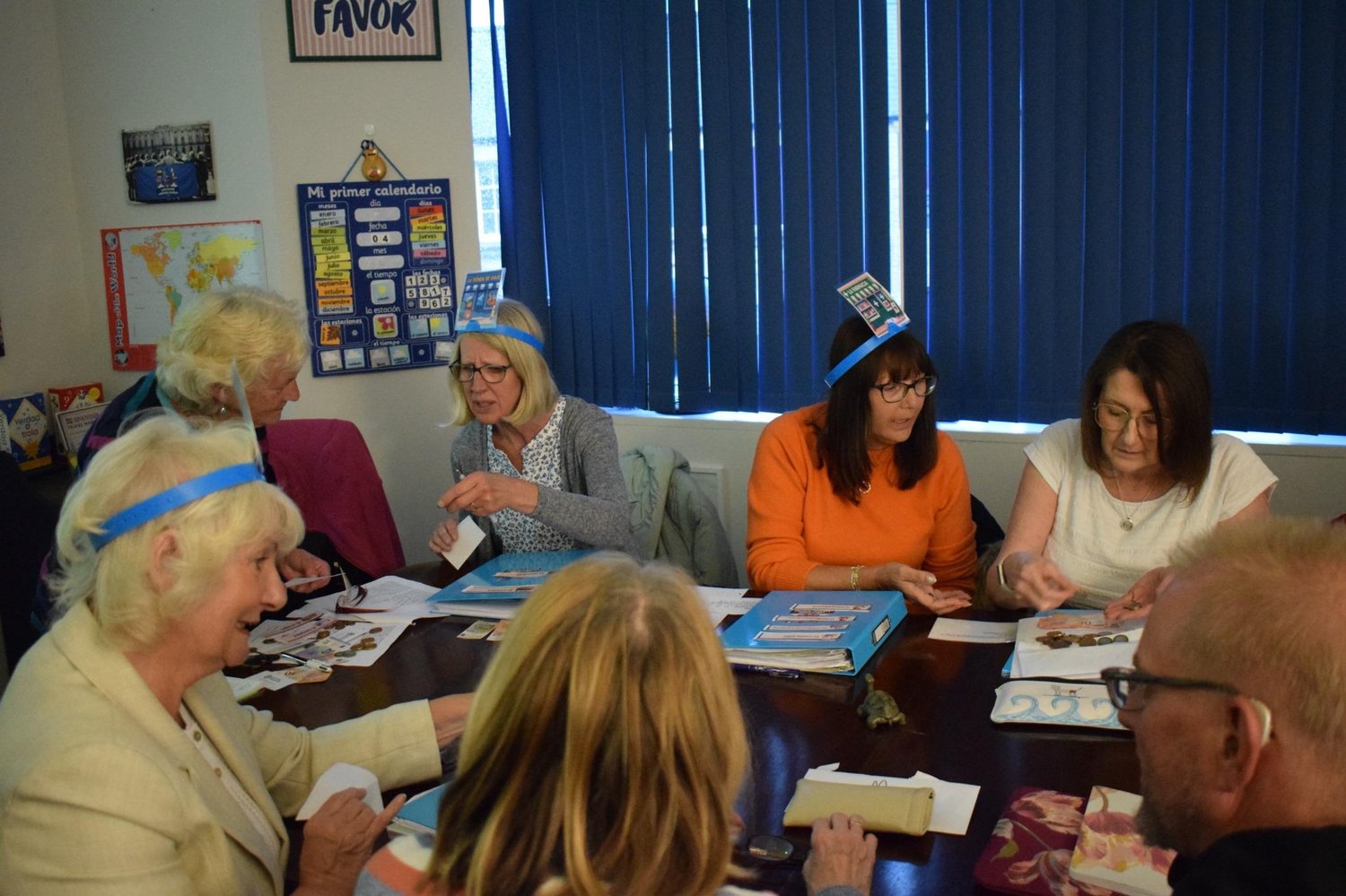
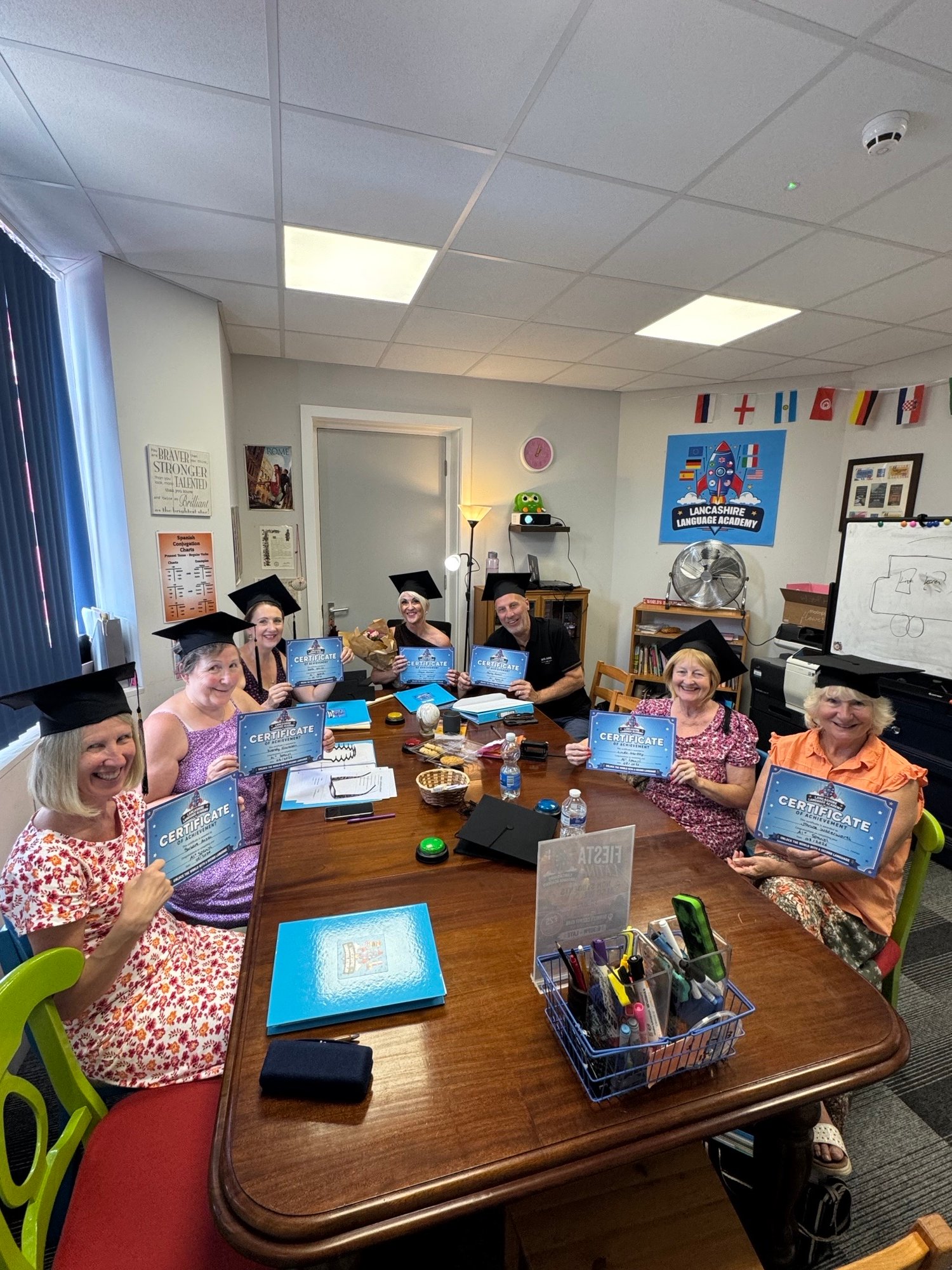
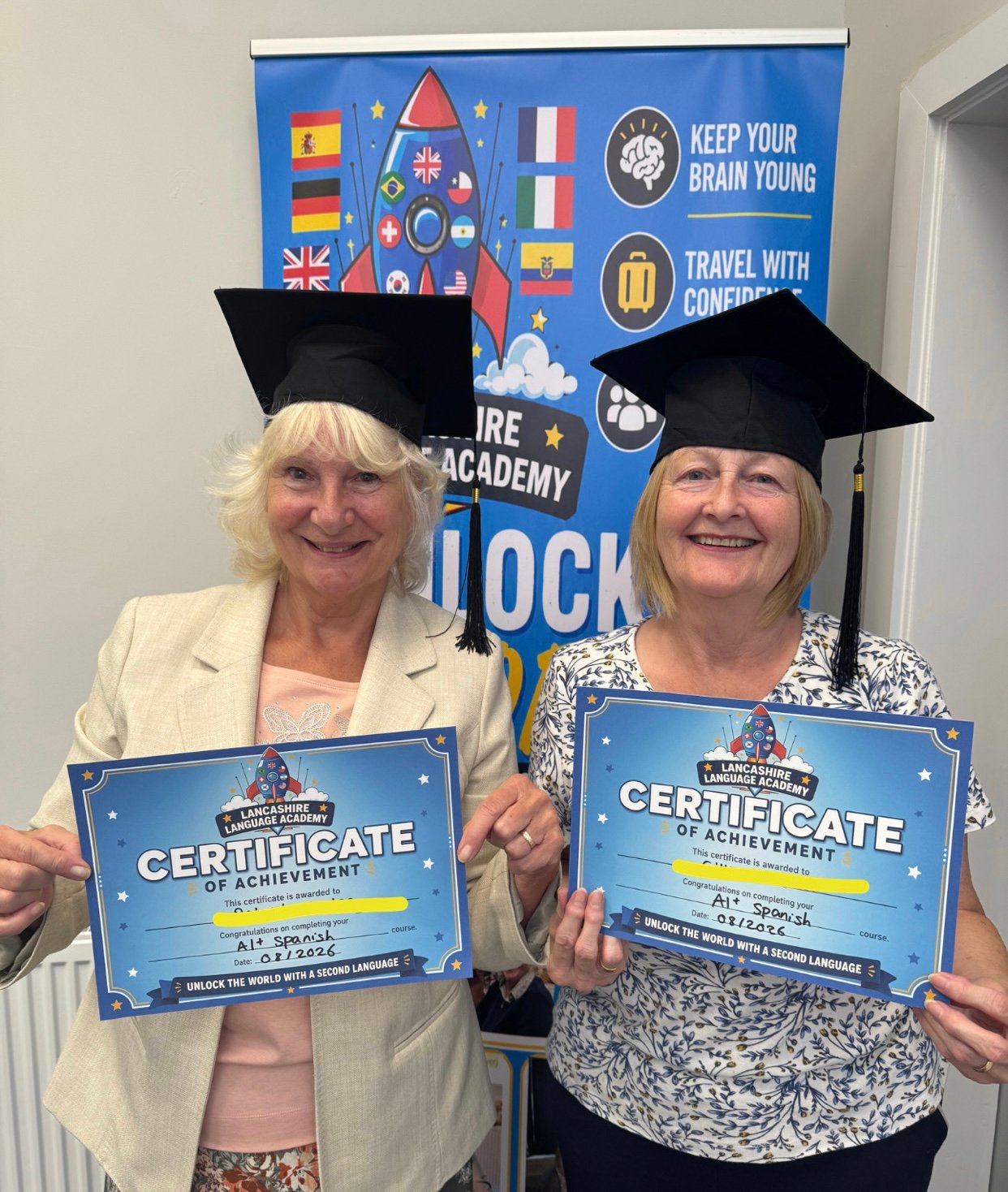
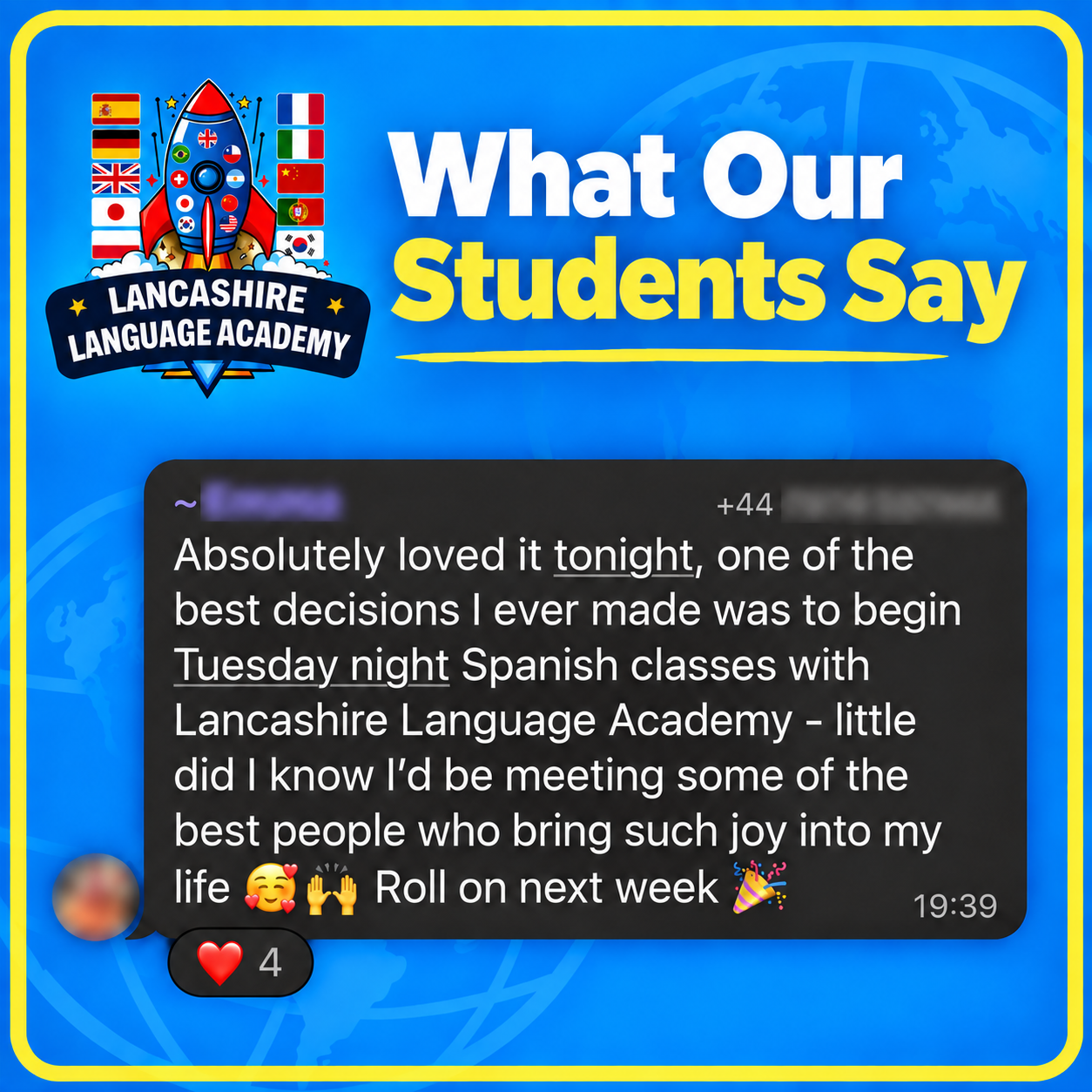
That is why so many of our learners are retired or approaching retirement. They don't just come to learn Spanish, Italian or French - they come to challenge themselves, keep their minds sharp, make new friends and discover that learning doesn't stop with age. Watching students in their sixties, seventies and even eighties grow in confidence is one of the most rewarding parts of what we do.
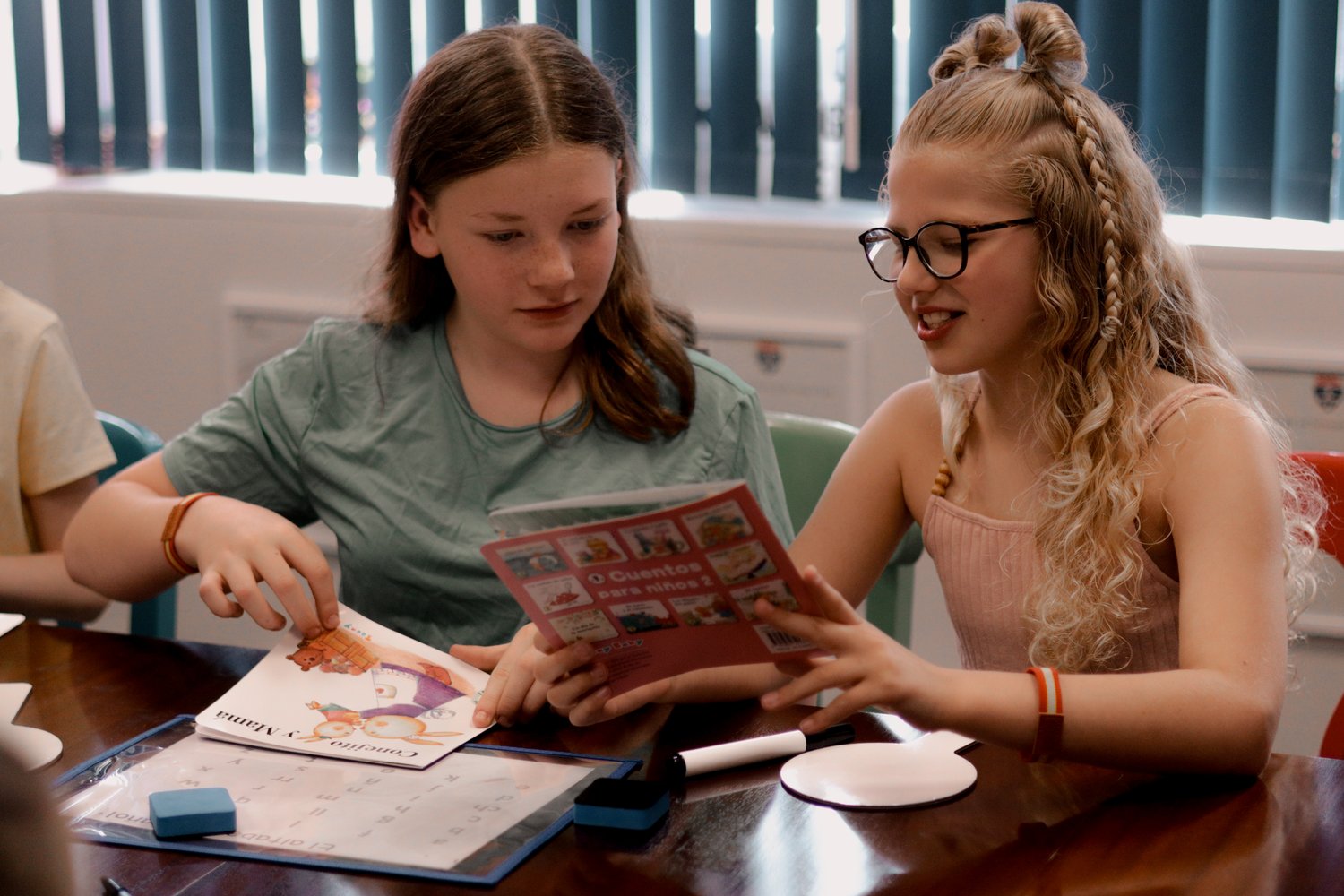
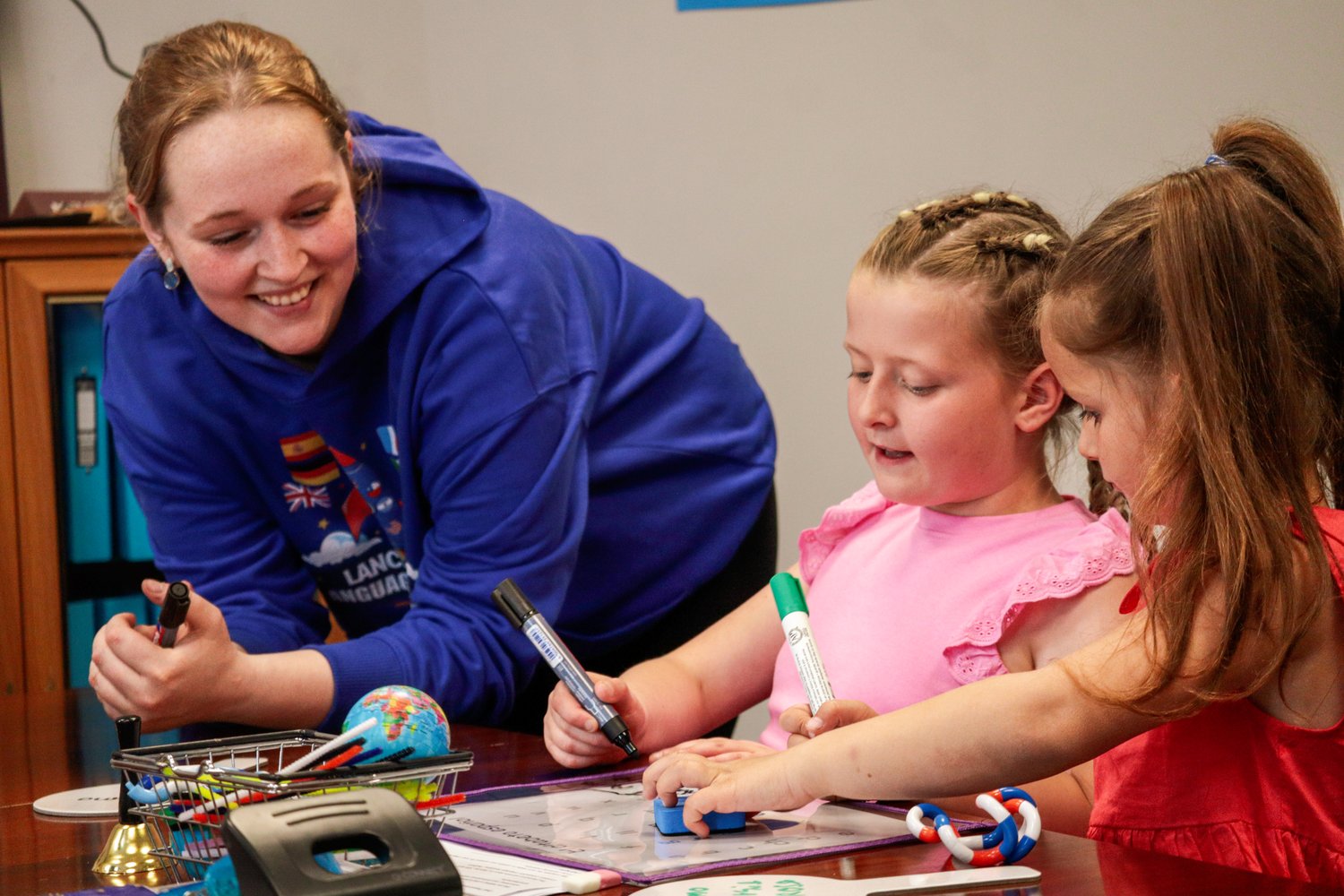
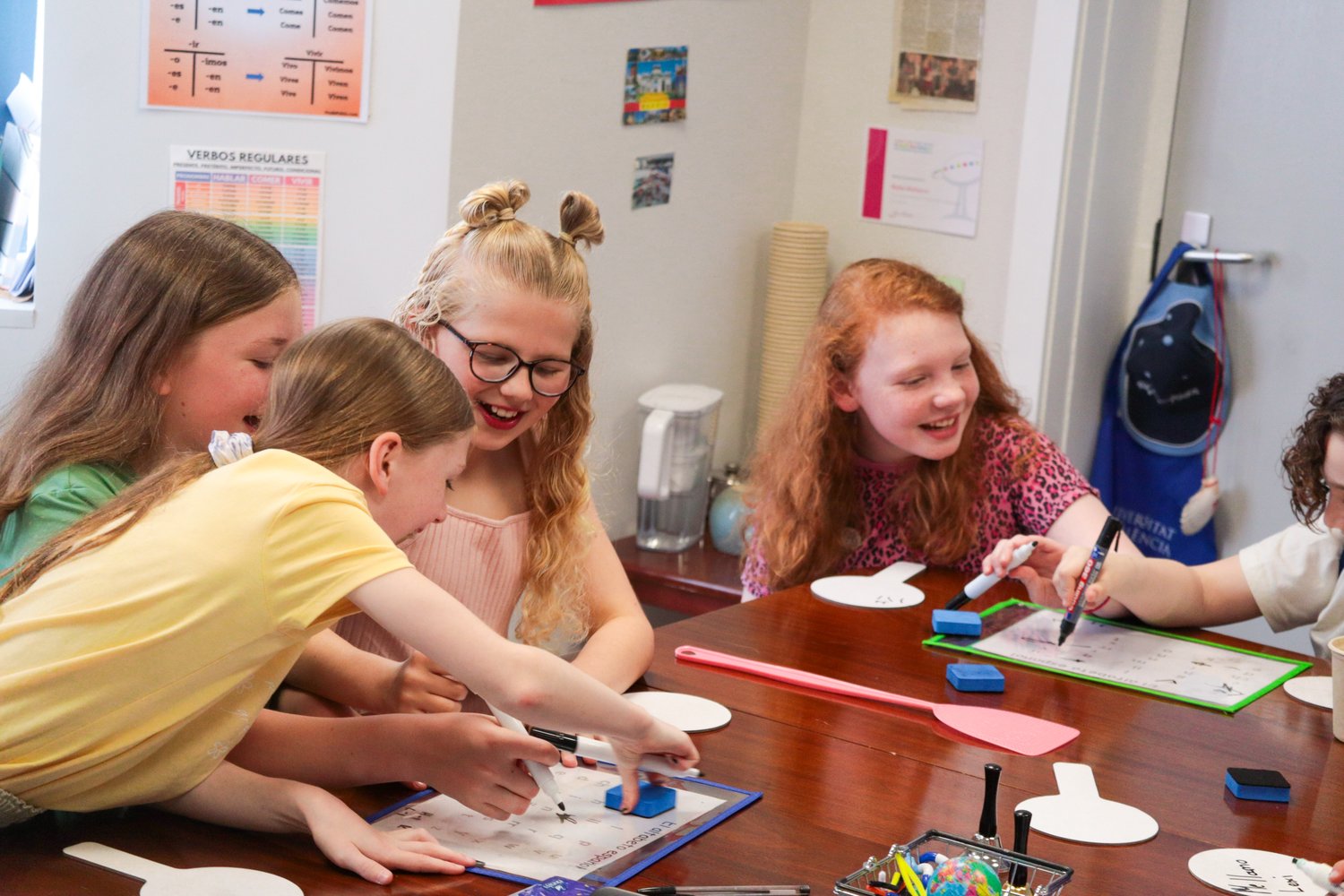
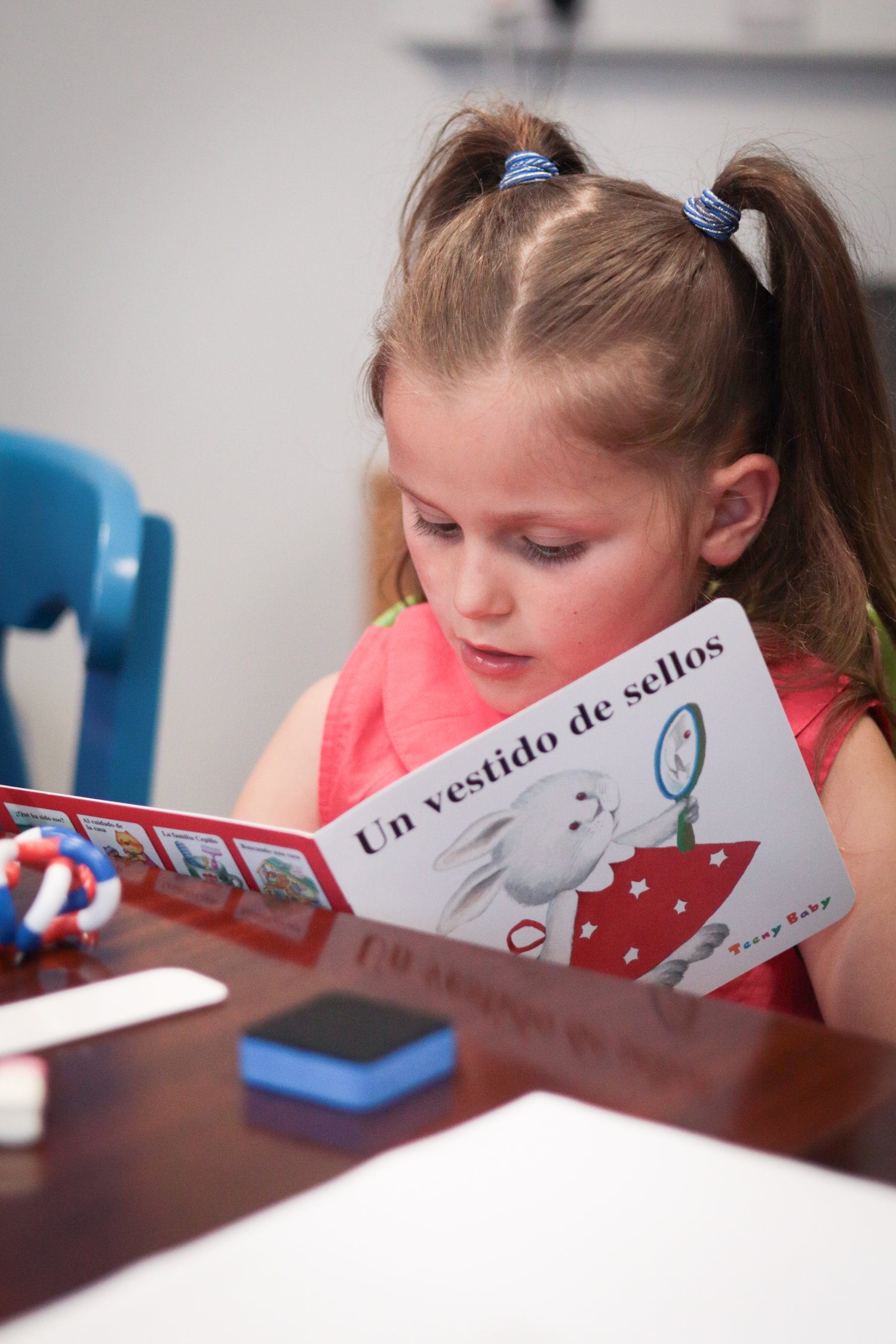
Languages also provide enormous benefits for children. Research shows that learning another language can improve communication skills, creativity, memory and problem-solving, while giving children a greater understanding of different cultures. For home-educated families, languages provide a rich, engaging subject that naturally combines speaking, listening, reading, writing, geography, history and culture, helping children develop skills they will use throughout their lives.
Beyond brain health, learning another language opens doors. It creates opportunities to travel more confidently, connect with people from different cultures, broaden career prospects and build meaningful friendships across the world.
As Spanish continues to grow as one of the world's most widely spoken languages, and multilingualism becomes increasingly valued, speaking only English is no longer the advantage it once was.
Too often, adults believe their opportunities are fixed and that life has already been decided. Learning a language challenges that belief. It proves that personal growth does not end when you leave school and that it is never too late to learn something new.
As the saying goes, "You settle for the life you have, or you go after the one you want."
Learning a language is about far more than vocabulary and grammar. It is an investment in your brain, your confidence, your wellbeing and your future - whatever your age.
✨ The Story Behind Lancashire Language Academy ✨
From a young age, I was fascinated by languages and the doors they open to new cultures, experiences, confidence, and opportunity. That curiosity took me far beyond the classroom.
I went on to gain a degree in Modern Languages and a PGCE in Secondary Spanish and German, building a career in education and helping people unlock new opportunities through language. I truly believed I was exactly where I was meant to be.
Alongside my studies and career, I lived and worked in Valencia and Graz. Then I did something that changed everything. I took a chance, left my entire life behind, and moved to the Galápagos Islands.
I was living what felt like absolute paradise, surrounded by wildlife, immersed in another language, and finally living the life I had always dreamed of. Those experiences did not just make me fluent, they shaped who I am and showed me how deeply language connects people across the world.
Then, in my mid-twenties, everything changed.
While living in the Galápagos, I became seriously unwell, but no one listened. Stress. Anxiety. A virus. I eventually flew back to visit England, leaving my suitcases behind, convinced I would be back in two weeks.
Not shortly after landing, I collapsed. Life stopped instantly.
What followed was a diagnosis of stage 4 blood cancer, 150 days in hospital, approx. 800 hours of chemotherapy, and a melon-sized tumour engulfing my heart.
I miraculously beat it! However, I could not return to mainstream teaching. The treatment saved my life, but it left me with permanent immune system damage, meaning the career I had trained for was no longer safe for me.
So I had a choice. Grieve what I had lost, or build something new.
Languages had always saved me. They gave me confidence when I had none and showed me a bigger world when life felt small. During recovery, I realised I wanted to build something that reflected that freedom, purpose, and possibility.
That is how Lancashire Language Academy was born.
Built on lived experience, resilience, and a deep belief in what language can give you.
And honestly, as strange as it sounds, I am glad I got cancer.
Because without it, this would never exist.
And this is the most meaningful thing I have ever created.
Because sometimes, from the worst thing imaginable, something truly beautiful can grow in the end ✨