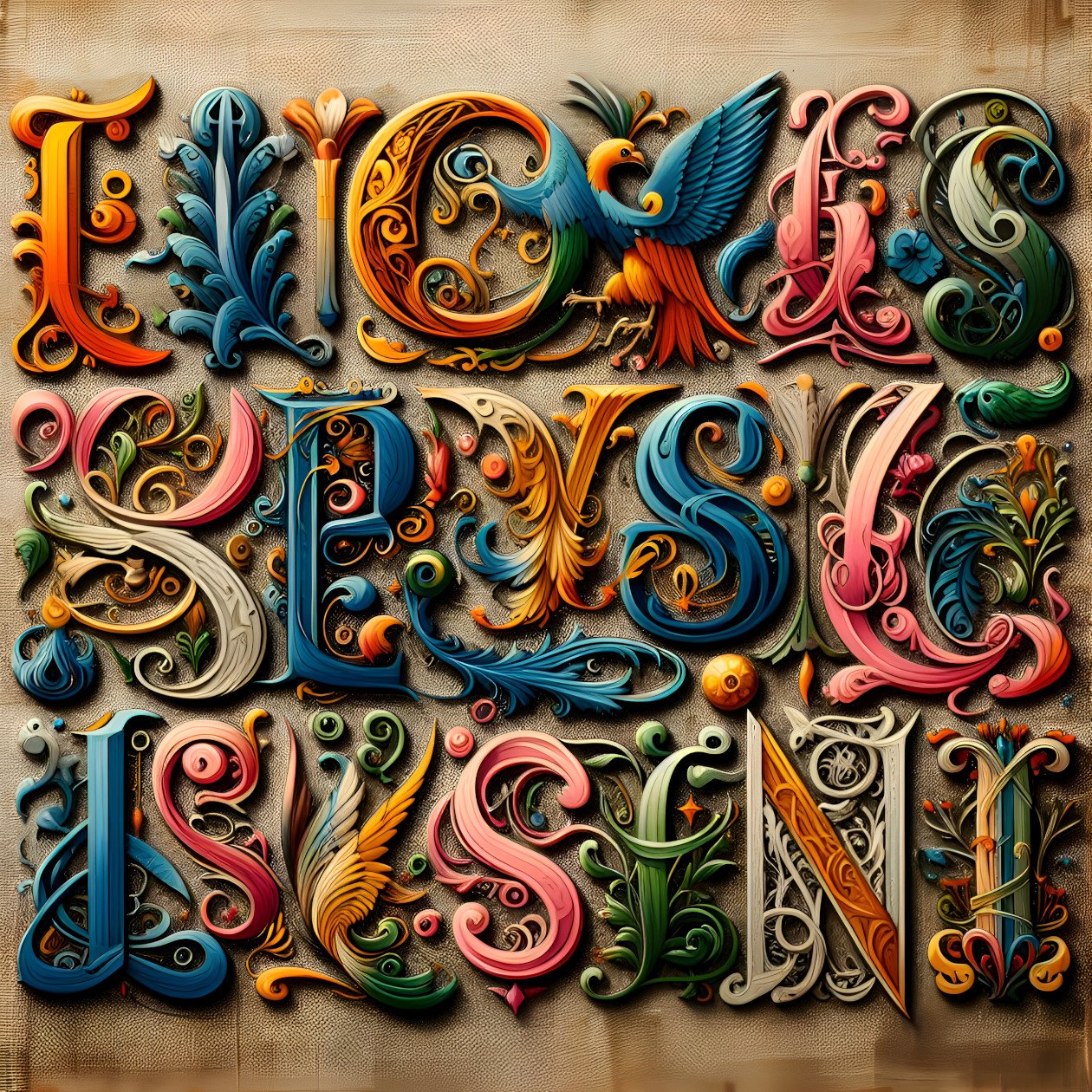


The Historical Roots of Calligraphy
The history of calligraphy is as diverse and intricate as the scripts themselves. It has been an essential aspect of many cultures, each developing unique styles and techniques.
- Chinese Calligraphy: One of the oldest and most revered forms, Chinese calligraphy dates back to the Shang Dynasty (1600-1046 BCE). The five major styles—Seal Script, Clerical Script, Regular Script, Running Script, and Cursive Script—each offer distinct expressions of beauty and complexity. Mastery of Chinese calligraphy requires not only technical skill but also an understanding of the philosophical principles underlying the art.
- Islamic Calligraphy: In Islamic culture, calligraphy is a highly esteemed art form, often used to transcribe the Quran. Arabic script's flowing, cursive nature lends itself to intricate and decorative designs. Styles like Kufic, Naskh, and Thuluth have been perfected over centuries, adorning everything from manuscripts to architectural marvels.
- Western Calligraphy: Western calligraphy has its roots in Roman and medieval scripts. The Roman capitalis monumentalis, used for inscriptions on monuments, is renowned for its clarity and grandeur. During the medieval period, monks developed scripts like Carolingian minuscule and Gothic script, painstakingly copying religious texts and creating illuminated manuscripts.
The Techniques and Tools of Calligraphy
Calligraphy is distinguished by its emphasis on the form and flow of letters. Achieving mastery involves understanding the tools and techniques that shape each stroke.
- Pens and Brushes: Traditional calligraphy pens include dip pens with metal nibs and brush pens. Dip pens offer fine control and are ideal for detailed scripts, while brush pens are valued for their flexibility and expressiveness.
- Paper and Ink: The choice of paper and ink can significantly impact the quality of calligraphy. High-quality, smooth paper allows for clean, crisp lines, while the ink should be rich and consistent. Sumi ink, commonly used in East Asian calligraphy, is renowned for its deep black color and smooth flow.
- Basic Strokes and Alphabets: Calligraphy involves mastering basic strokes that form the foundation of each letter. In Western calligraphy, these include the downstroke, upstroke, and oval stroke. Practicing these strokes helps develop muscle memory and control, essential for creating consistent and elegant letters.
The Creative Renaissance: Modern Calligraphy
In recent years, calligraphy has experienced a resurgence, fueled by a growing appreciation for handmade art in an increasingly digital world. Modern calligraphy blends traditional techniques with contemporary styles, offering endless possibilities for creative expression.
- Hand Lettering: A cousin of calligraphy, hand lettering involves drawing letters rather than writing them. This allows for greater flexibility in design, making it popular for creating custom signage, invitations, and art pieces.
- Brush Calligraphy: This style uses flexible brush pens to create dynamic, flowing letters. It is characterized by varying line widths achieved through changes in pressure, adding a sense of movement and vitality to the script.
- Digital Calligraphy: With the advent of digital tools, calligraphy has expanded into the realm of graphic design. Tablets and stylus pens enable artists to create intricate calligraphic designs with precision and ease, blending traditional aesthetics with modern technology.
Embracing the Art of Calligraphy
The art of calligraphy is accessible to anyone willing to invest time and practice. Here are some tips for starting your journey:
- Choose Your Tools: Start with basic supplies— a quality pen or brush, ink, and smooth paper. As you progress, experiment with different tools to find what suits your style.
- Practice Regularly: Like any skill, calligraphy requires consistent practice. Set aside time each day to practice basic strokes and letter forms.
- Study the Masters: Learn from the works of master calligraphers. Analyze their techniques and try to replicate their styles to understand the nuances of different scripts.
- Join a Community: Connect with other calligraphy enthusiasts through workshops, online forums, and social media. Sharing your progress and receiving feedback can be incredibly motivating.
The Timeless Appeal of Calligraphy
Calligraphy is more than just writing; it is an art form that captures the essence of human expression through the elegance of letters. Its rich history, diverse styles, and contemporary innovations offer a world of creative possibilities for anyone willing to explore it. By embracing the art of calligraphy, you not only enhance your writing skills but also engage in a meditative and rewarding practice that connects you with a timeless tradition of beauty and craftsmanship.
Whether you are a beginner or a seasoned artist, the journey into calligraphy is one of endless discovery and inspiration. So, pick up your pen or brush, and let the dance of letters begin!