


Ancient Beginnings: The Need for Written CommunicationLong before the alphabet, ancient civilizations relied on pictographs and ideograms to communicate. The Sumerians of Mesopotamia, around 3400 BCE, were among the first to develop a form of writing...
Read More
Treasure Your Magnificence!
⋆
Treasure Your Magnificence!
⋆
The History and Evolution of Lettering Styles
Lettering, the art of drawing letters, has a rich and varied history that spans centuries and continents. From ancient inscriptions chiseled in stone to the modern digital fonts we use today, lettering styles have evolved remarkably, reflecting cultural, technological, and artistic changes throughout history. In this article, we will delve into the fascinating journey of lettering, exploring its origins, major milestones, and the creative renaissance it is experiencing in the modern era. Whether you are a seasoned calligrapher, an aspiring typographer, or someone simply intrigued by the beauty of letters, this exploration will inspire you to delve deeper into the world of creative and artistic lettering.
Ancient Origins: The Birth of Lettering
The earliest forms of lettering can be traced back to ancient civilizations. In Egypt, hieroglyphs were meticulously carved into temple walls and monuments, serving both as a means of communication and as an art form. Similarly, the ancient Sumerians in Mesopotamia developed cuneiform script, which involved pressing a stylus into clay tablets to create wedge-shaped marks.
In the Roman Empire, the introduction of the Latin alphabet marked a significant development in the history of lettering. Roman inscriptions, often seen on monuments and public buildings, featured carefully proportioned letters carved in stone. The elegance and precision of Roman capitals, such as those found on Trajan's Column, continue to influence modern lettering styles.
Medieval Manuscripts: The Flourishing of Calligraphy
The Middle Ages saw the flourishing of calligraphy, particularly within the confines of monasteries. Monks dedicated themselves to the meticulous copying of religious texts, developing distinct styles such as Carolingian minuscule, which was characterized by its clarity and legibility. This period also witnessed the rise of Gothic script, known for its intricate and ornate letterforms.
Illuminated manuscripts from this era, adorned with elaborate decorations and gold leaf, are some of the most beautiful examples of medieval calligraphy. These works not only preserved knowledge but also showcased the artistic potential of lettering.
The Renaissance and Beyond: The Age of Print
The invention of the printing press by Johannes Gutenberg in the 15th century revolutionized the dissemination of written information. This technological breakthrough led to the standardization of typefaces and the creation of fonts such as Garamond and Baskerville, which remain popular to this day.
The Renaissance period also saw a revival of interest in classical Roman letterforms. Artists and scholars studied ancient inscriptions and developed new typefaces that combined classical elegance with modern readability. The art of lettering continued to evolve, with the introduction of italic and cursive scripts adding variety and expressiveness to written texts.
The Modern Era: Digital Revolution and Creative Resurgence
The 20th century brought about a new revolution in lettering with the advent of digital technology. The creation of digital fonts allowed for unprecedented flexibility and creativity in design. Typefaces like Helvetica and Times New Roman became ubiquitous, serving as the backbone of modern typography.
In recent years, there has been a resurgence of interest in hand lettering and calligraphy. Artists and designers are embracing traditional techniques while also experimenting with new styles and mediums. Social media platforms have played a significant role in this revival, allowing artists to share their work with a global audience and inspiring others to explore the art of lettering.
Encouraging Exploration: Your Journey into Lettering
The history and evolution of lettering styles is a testament to the enduring beauty and versatility of letters. From ancient stone carvings to digital typefaces, each era has contributed to the rich tapestry of lettering art. As you embark on your own journey into the world of creative and artistic lettering, take inspiration from the past while embracing the endless possibilities of the present. Whether you are practicing calligraphy, designing your own fonts, or simply appreciating the art of letters, the history of lettering offers a wealth of knowledge and inspiration to explore and enjoy.
In conclusion, the evolution of lettering styles reflects the dynamic interplay between art, culture, and technology. By understanding this history, we can better appreciate the beauty and significance of lettering in our everyday lives and continue to push the boundaries of this timeless art form.
Interesting Artistic Topics to Explore:

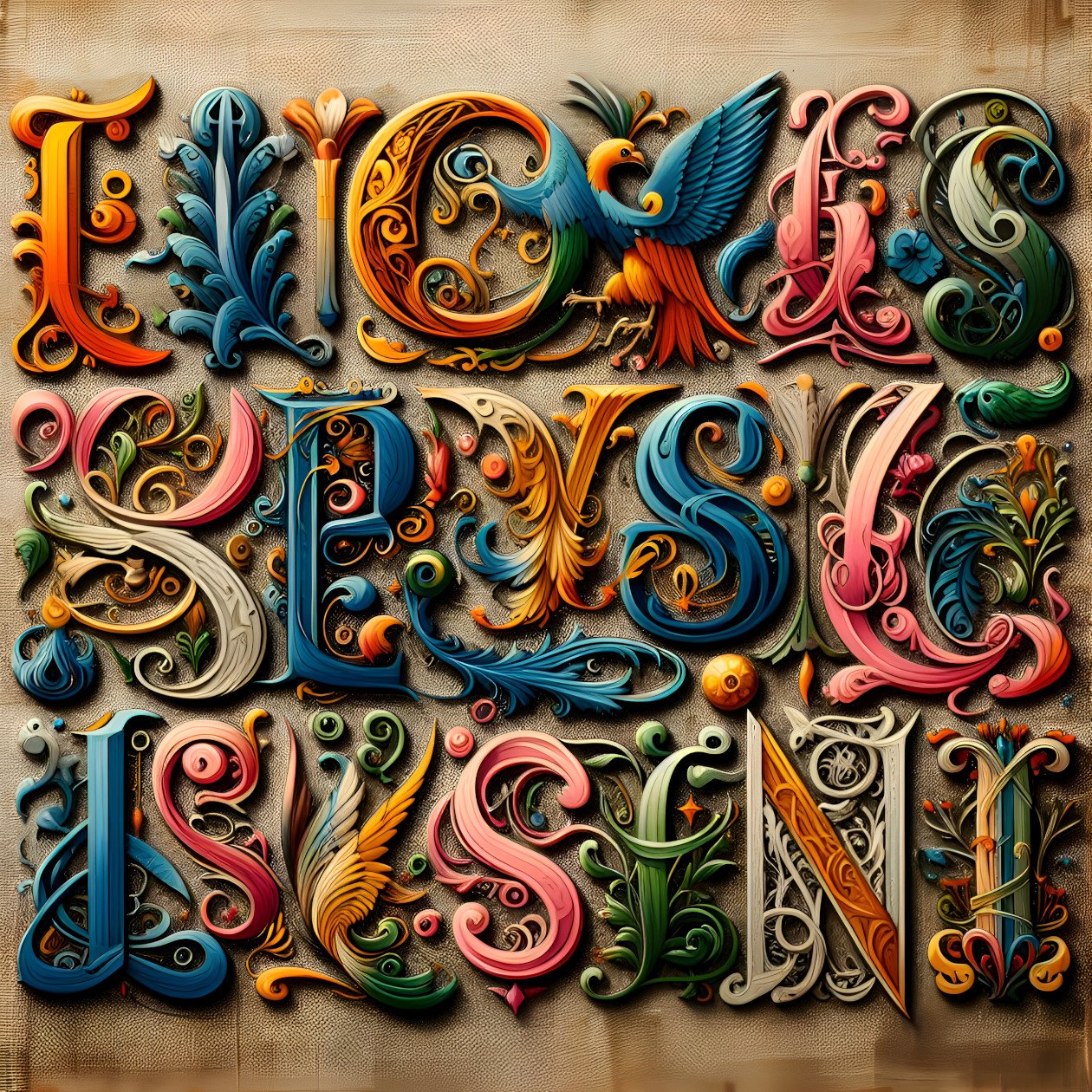
The Historical Roots of CalligraphyThe history of calligraphy is as diverse and intricate as the scripts themselves. It has been an essential aspect of many cultures, each developing unique styles and techniques.Chinese Calligraphy: One of the oldest...
Read More
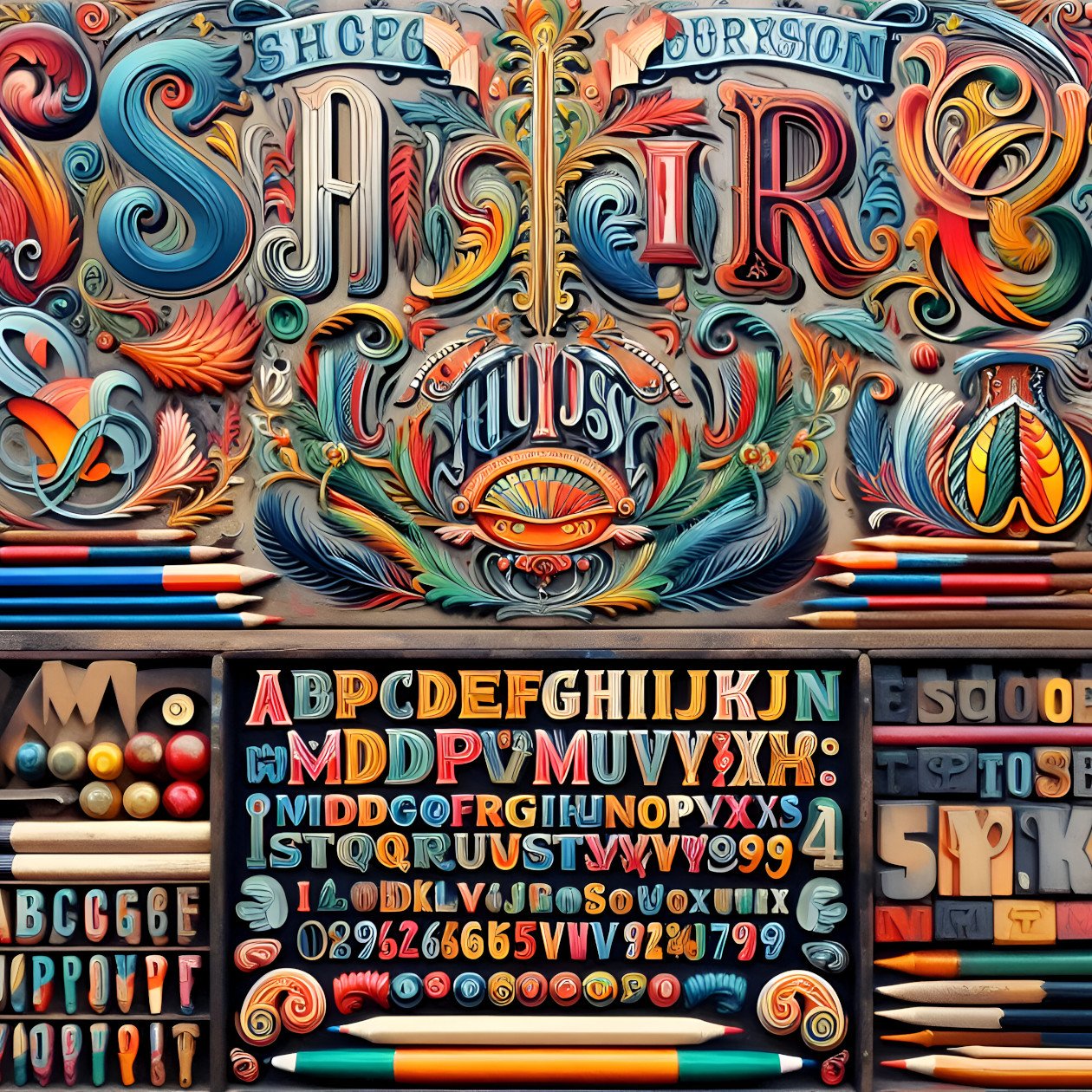
Defining Typography and Hand LetteringTypography is the art and technique of arranging type to make written language legible, readable, and visually appealing. It involves selecting typefaces, point sizes, line lengths, line-spacing (leading), and le...
Read More