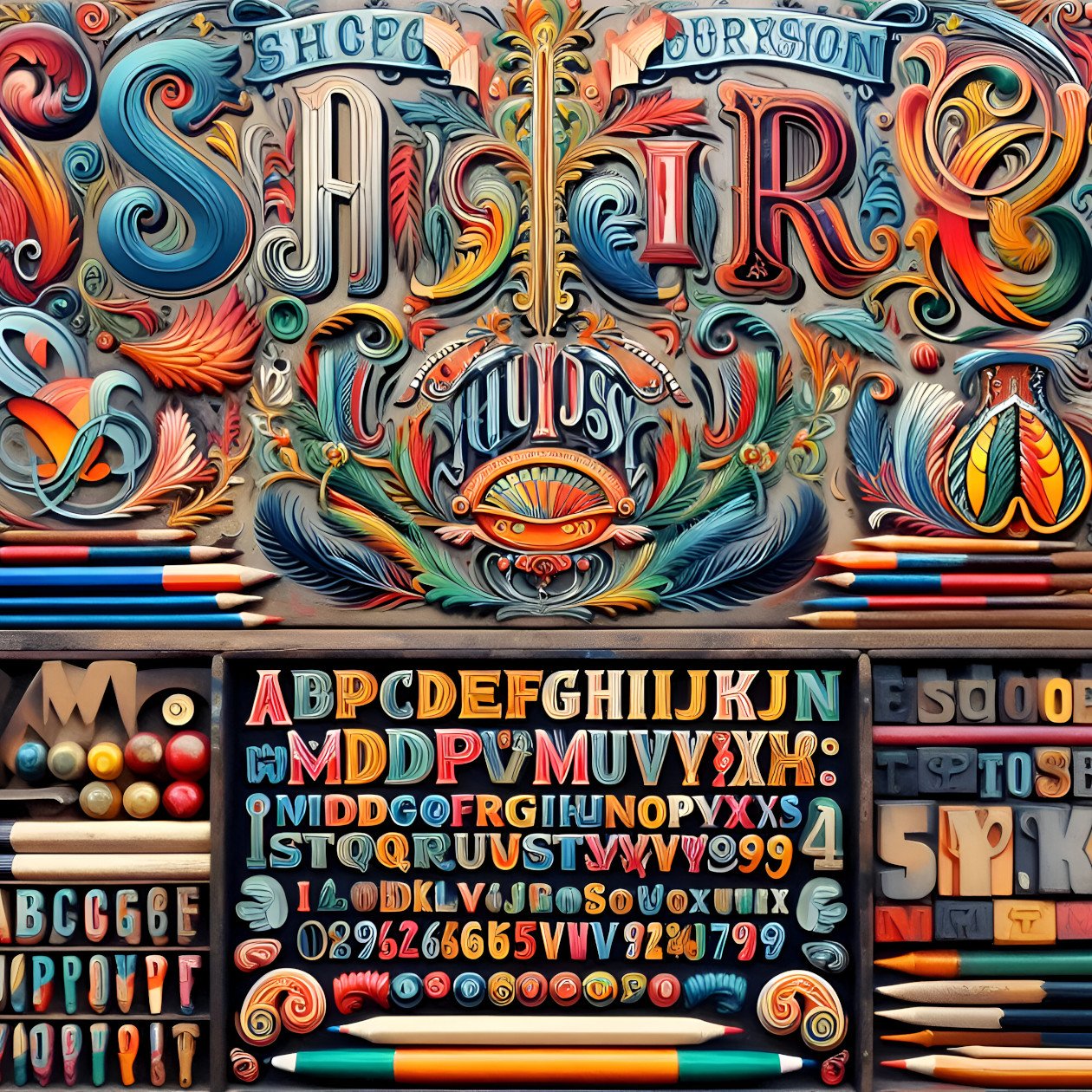


Defining Typography and Hand Lettering
Typography is the art and technique of arranging type to make written language legible, readable, and visually appealing. It involves selecting typefaces, point sizes, line lengths, line-spacing (leading), and letter-spacing (tracking), among other elements. Typography is a fundamental aspect of graphic design and is used in everything from books and websites to advertisements and logos. It is primarily concerned with the use of pre-designed fonts, which are digital representations of typefaces.
Hand Lettering, on the other hand, is the art of drawing letters by hand. Unlike typography, where letters are selected from pre-existing fonts, hand lettering involves creating unique letterforms specifically for a particular project. This practice is highly expressive and allows for a great deal of artistic freedom. Each letter is carefully crafted, often with decorative elements, to convey a specific mood or style.
The Techniques and Tools
Typography Techniques:
- Font Selection: Choosing the right typeface is crucial in typography. Different fonts convey different emotions and suit various contexts. For example, serif fonts like Times New Roman are often used for formal documents, while sans-serif fonts like Helvetica are favored for modern, clean designs.
- Layout and Composition: Typographers arrange text in a way that enhances readability and visual harmony. This includes setting appropriate margins, aligning text, and considering the overall balance of the design.
- Hierarchy and Emphasis: Effective typography uses size, weight, and style variations to create a visual hierarchy, guiding the reader's eye through the content. Bold and italic styles, as well as color variations, help emphasize important information.
Hand Lettering Techniques:
- Sketching: Hand lettering often begins with sketching. Artists draw rough outlines of their letterforms, experimenting with different styles and compositions before finalizing the design.
- Inking and Refining: Once the sketch is complete, the artist goes over the design with ink, adding details and refining the shapes. Tools used can range from traditional pens and brushes to digital tablets and stylus pens.
- Customization: Hand lettering allows for endless customization. Artists can incorporate flourishes, shadows, textures, and other decorative elements to create a unique, personalized piece.
Creative Applications
Typography in Creative Projects:
- Print Media: Typography is essential in books, magazines, brochures, and posters. It ensures text is not only readable but also aesthetically pleasing.
- Web Design: On websites, typography plays a key role in user experience. Well-chosen fonts and careful typographic hierarchy improve readability and help convey the brand's identity.
- Branding: Logos and brand identities often rely on strong typography. A well-designed typeface can become a recognizable element of a brand, as seen with companies like Coca-Cola and Google.
Hand Lettering in Creative Projects:
- Custom Invitations and Cards: Hand-lettered invitations and greeting cards add a personal touch, making events feel more special and unique.
- Art Prints and Posters: Hand lettering is popular in art prints and posters, where the text itself becomes a piece of art. Inspirational quotes, song lyrics, and custom messages are often hand-lettered to create visually striking designs.
- Signage and Murals: Hand lettering is frequently used in signage and murals, particularly in cafes, restaurants, and retail spaces. The custom nature of hand-lettered signs adds charm and character to any environment.
Choosing Between Typography and Hand Lettering
The choice between typography and hand lettering depends on the nature of your project and the effect you want to achieve.
- Use Typography When: You need to ensure readability and consistency, especially in large blocks of text or when working with digital interfaces. Typography is ideal for professional documents, websites, and publications where clarity and uniformity are crucial.
- Use Hand Lettering When: You want to create a unique, custom design that stands out. Hand lettering is perfect for personal projects, artistic works, and situations where a bespoke, handcrafted feel is desired. It adds personality and individuality that pre-designed fonts cannot match.
Embracing Both Worlds
In many cases, combining typography and hand lettering can produce stunning results. For example, a hand-lettered headline paired with well-chosen body text typography can create a striking contrast and draw attention to important elements of your design. By understanding and leveraging the strengths of both practices, you can elevate your creative projects and achieve a perfect balance of form and function.
Typography and hand lettering each bring their own unique qualities to the world of visual design. Typography offers precision, consistency, and efficiency, making it indispensable in many professional contexts. Hand lettering, with its artistic flair and personalized touch, adds a layer of creativity and uniqueness that can transform a design into a work of art. By understanding the differences and applications of these two art forms, you can make informed decisions in your creative endeavors, ensuring that your projects are both beautiful and effective.