
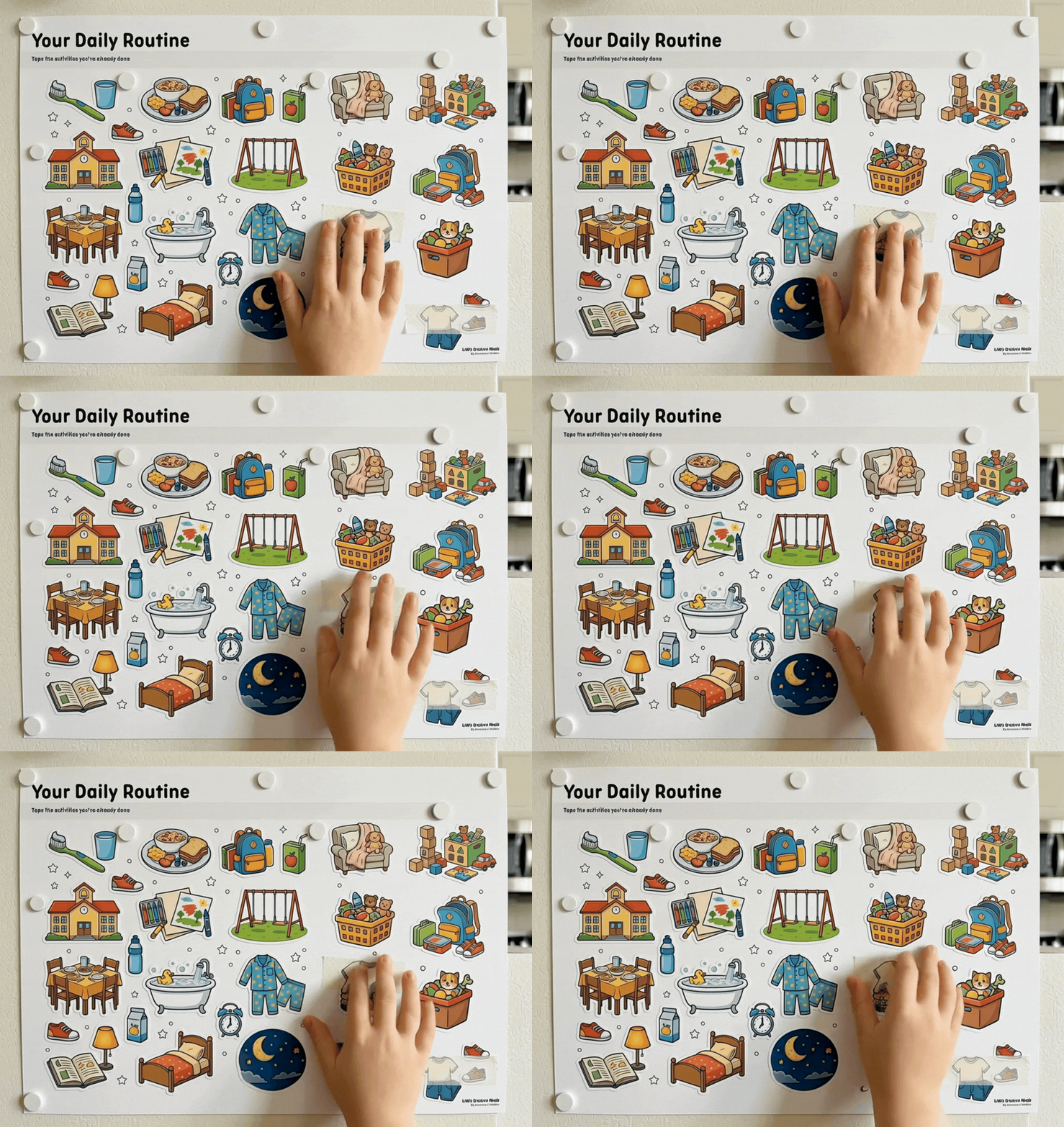
Healthy routines help children feel safe, supported, and confident in their daily lives. Predictable structure allows children to better understand what to expect throughout the day, which can reduce stress, emotional overwhelm, and daily conflicts....
Read More
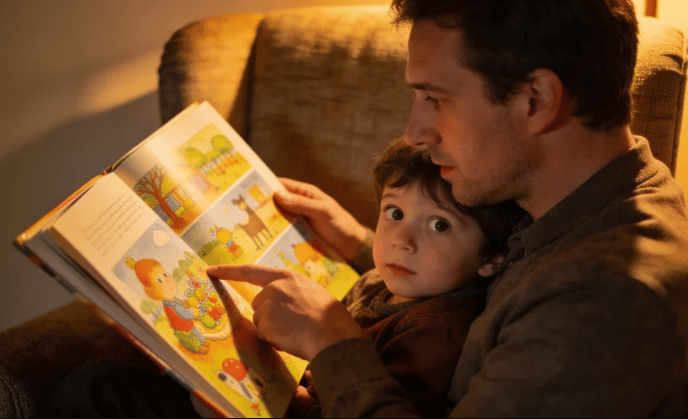
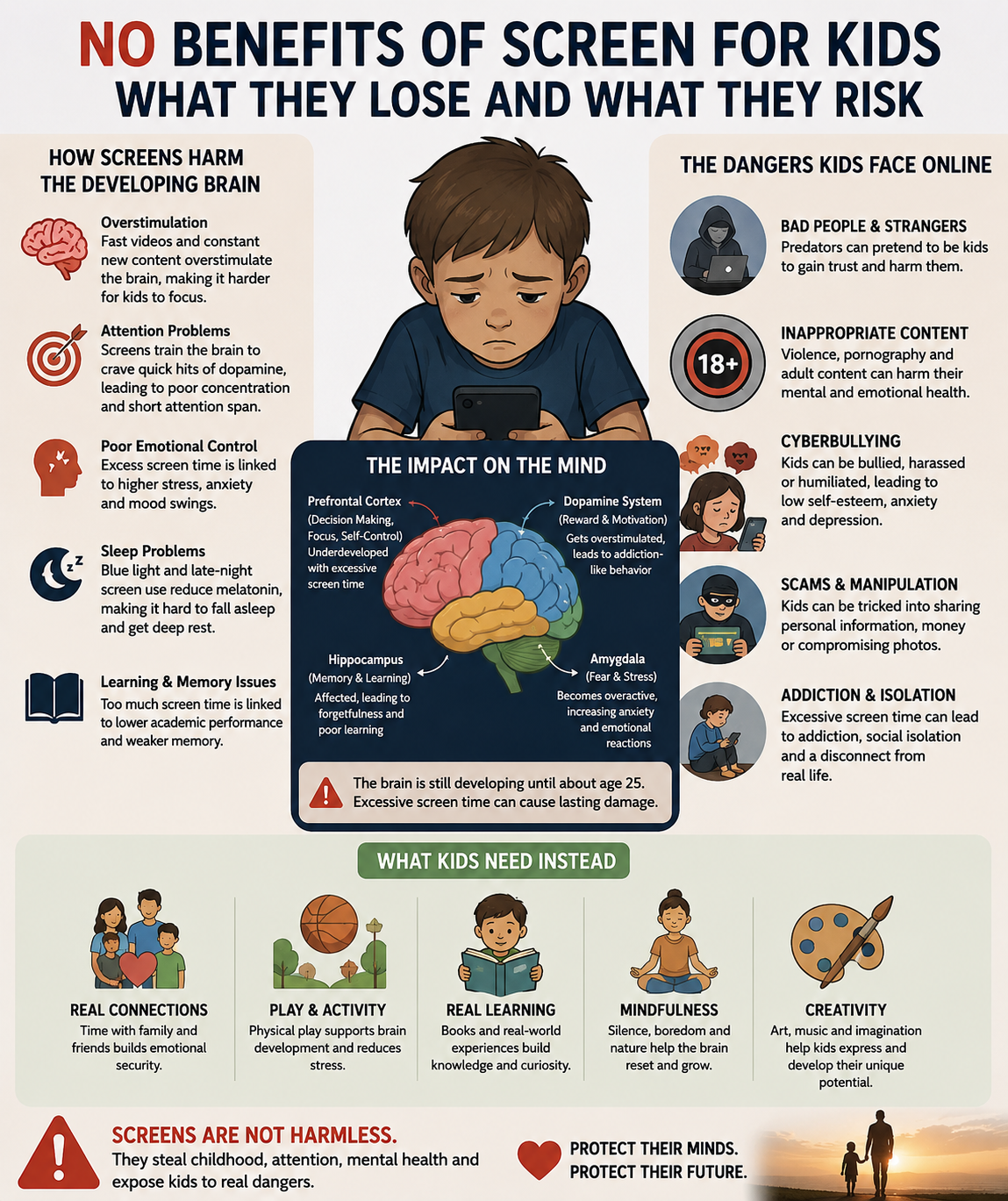
A child's brain is still growing. Every choice matters. Screens are part of modern life, but too much screen time can affect children's sleep, attention, learning, and social skills. It can also expose them to online risks like inappropri...
Read More
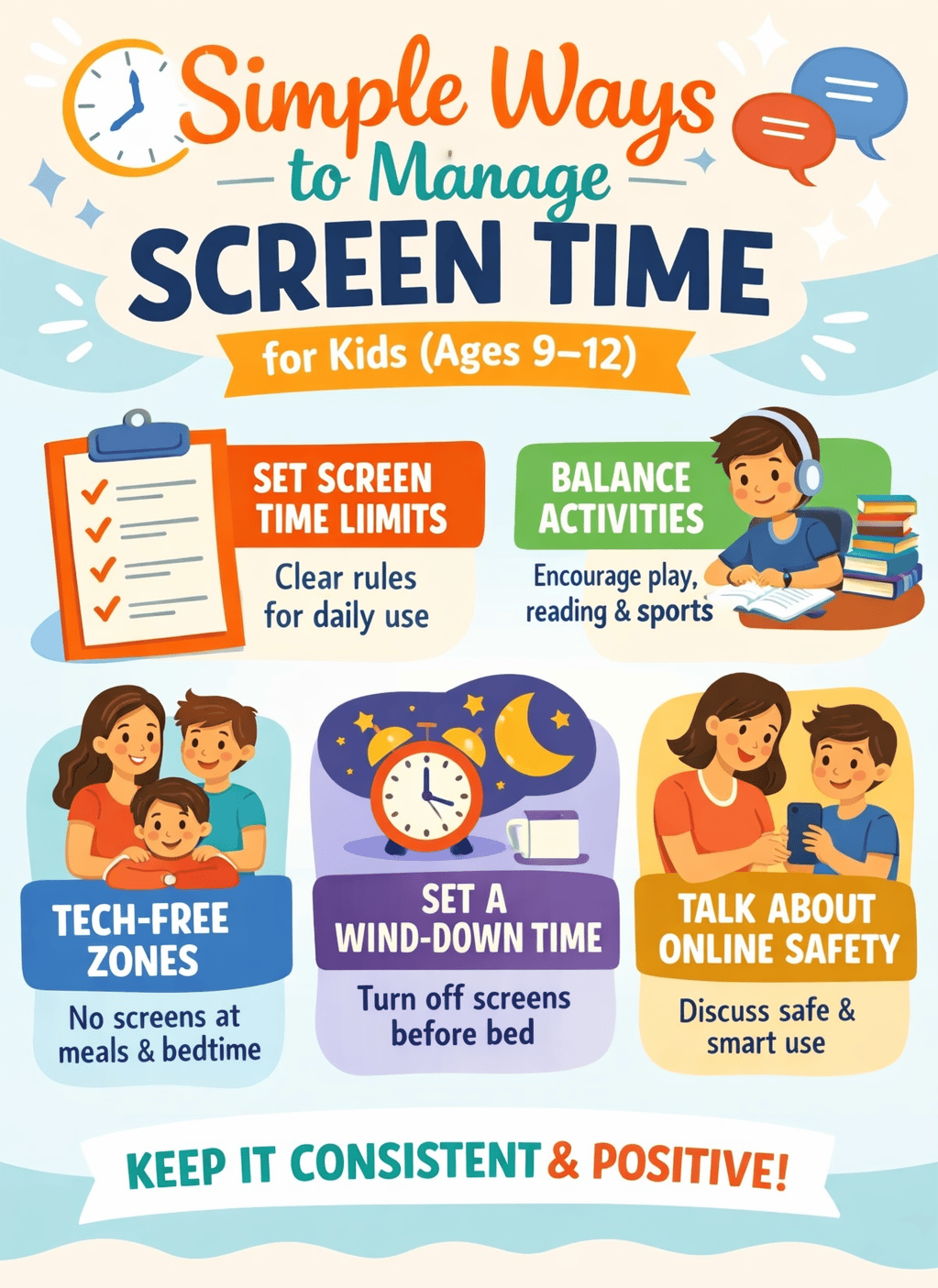
Hi Parents, As children enter the 9–12 age range, screen use becomes more complex, often blending entertainment, education, and social interaction. At this developmental stage, children gain greater independence but still require guidance to build h...
Read More

Summer brings longer days, flexible schedules, and plenty of opportunities for fun—but it can also make it easy to lose track of how much time children are spending on their screens. Without the structure of school routines, many families find that ...
Read More

We believe that children learn best when they can explore — with their hands, their senses, and their natural curiosity leading the way. When kids are free to touch, test, build, imagine, and discover, learning becomes joyful, meaningful, and deepl...
Read More


If screen-time negotiations have become a daily challenge in your home, you're not alone. Many parents struggle to find a healthy balance between technology use and other important childhood activities. Research in child development suggests th...
Read More
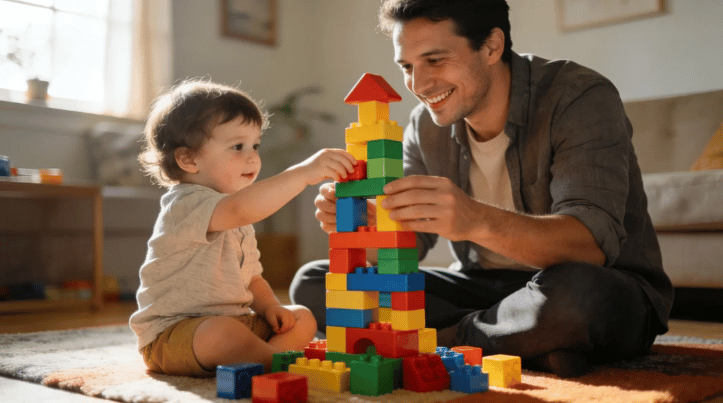
Research in early childhood education consistently shows that young children learn best through hands-on experiences and active participation. According to child development studies, activities that involve coloring, drawing, matching, and imaginati...
Read More
a report from: By Mayo Clinic Staff June 19, 2024 With screens virtually everywhere, monitoring a child's screen time can be challenging. To complicate matters, some screen time can be educational and support children's social development....
Read More

Children thrive when they feel safe, connected, and loved—and one of the simplest ways to strengthen that connection is by being more intentional with screen time. Research from the American Academy of Pediatrics shows that consistent routines, mea...
Read More

Health professionals and child development experts emphasize that screen time is not only about the amount of time children spend on devices, but also how it affects their emotional well-being, sleep, attention, physical activity, and family relatio...
Read More

Hi Parents, For preschool children and those in middle childhood, screen-time tracking works best when it is simple, visual, and consistent. Experts from the American Academy of Pediatrics recommend limiting screen use for children ages 2–5 to about...
Read More

Nowadays screens have become a constant presence in children’s daily lives, shaping how they learn, play, and interact with others. While technology offers certain educational and entertainment benefits, a growing body of research in developmental p...
Read More

I never imagined screen time could affect my niece this much… At first, it felt harmless. A little video here, a game there. And honestly… I was tired. It helped me get things done. I kept telling myself: “It’s normal. Every kid uses a phone.” But t...
Read More

Raising kids in a world full of screens is not easy, and most parents are not trying to eliminate them, just find a better balance. Research from organizations like the American Academy of Pediatrics shows that excessive screen time can impact atten...
Read More