Your Cart
Loading

Monographs

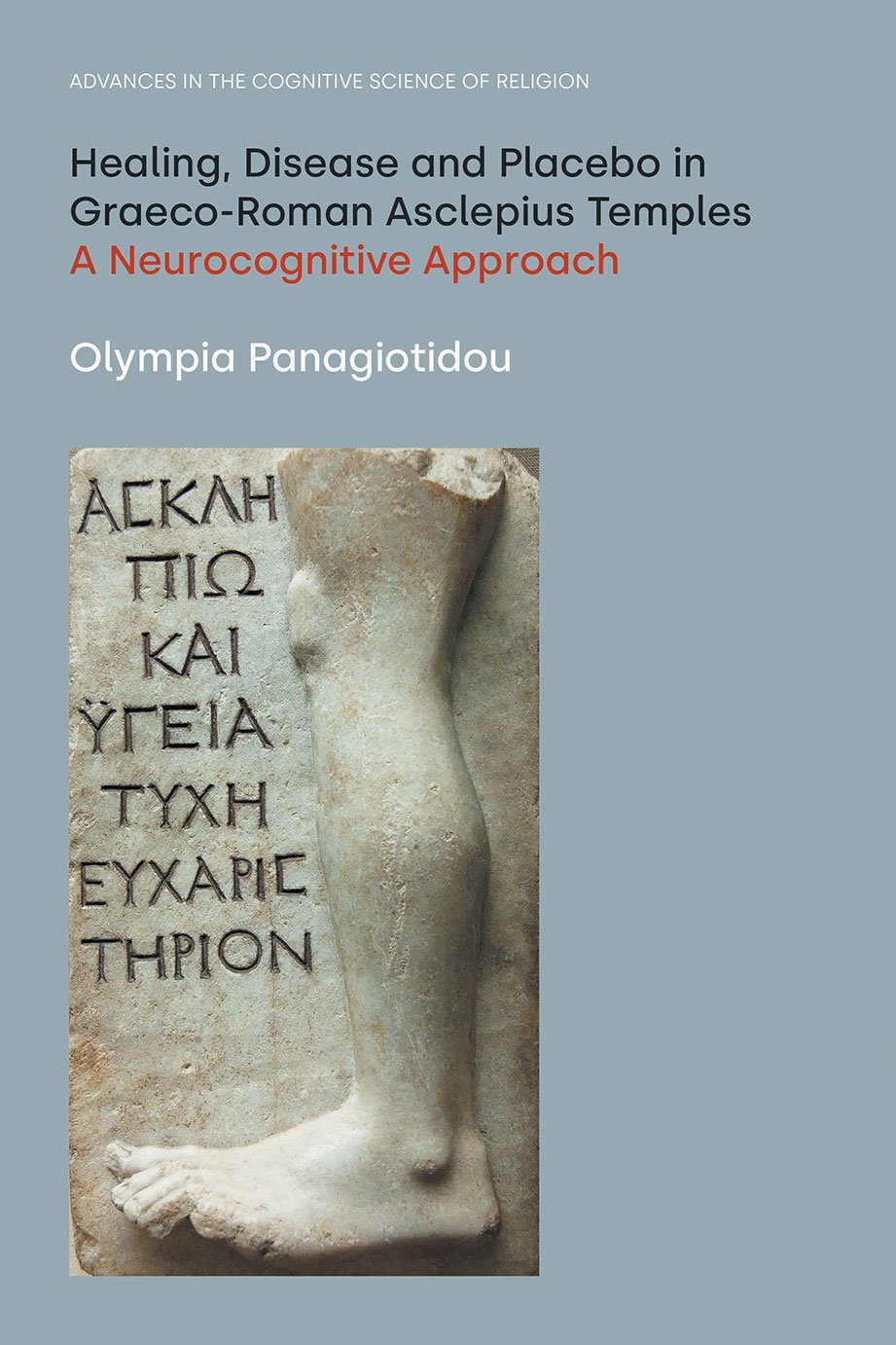
Α.1. Panagiotidou, O. (2022), Healing, Disease and Placebo in Graeco-Roman Asclepius Temples: A Neuro-cognitive Approach. London: Equinox.


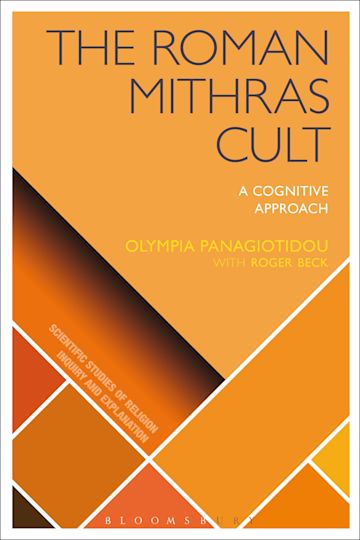
Α.2 Panagiotidou, O. with R.L. Beck, (2017), The Roman Mithras Cult: A Cognitive Approach. London: Bloomsbury.

Olympia Panagiotidou,Mithras,Bloomsbury,The Roman Mithras Cult,A cognitive approach
Olympia Panagiotidou,Book,Equinox,Healing,Disease, Placebo,Graeco-Roman,Asclepius,temples,asclepieia,placebo effect,neurocognitive approach

Articles in scientific journals

B.1 Panagiotidou, O. (2021), “The placebo drama of the Asclepius cult.” Trends in Classics 13 (1). Special Issue: Healing, Belief, and Placebo: Medical and Religious Plurality in Late Antiquity, edited by Nils H. Korsvoll, 195-226. DOI: 10.1515/tc-2021-0007


B.2 Panagiotidou, O. (2021), “Aelius Aristides’ Sacred Tales: Reading, simulation and priming of readers’ oneiric experiences.” Journal of Cognitive Historiography 6 (1-2), 22–40. DOI: 10.1558/jch.33225


B.3 Panagiotidou, O. (2018), ‘Divination in Greek Antiquity: Tracing divine signs in a world of expected and unexpected uncertainty’. Pantheon, Journal for the Study of Religions 13 (2).


B.4 Panagiotidou, O. (2016), ‘Asclepius’ myths and healing narratives: Counter-intuitive concepts and cultural expectations’. Open Library of Humanities 2 (1), p.e6. DOI: http://doi.org/10.16995/olh.34.


B.5 Panagiotidou, O. (2016), ‘Religious healing and the Asclepius cult: A case of placebo effects’. Open Theology 2 (1), 79–91. DOI: 10.1515/opth-2016-0006.


B.6 Panagiotidou, O. (2014), ‘The Asklepios cult: Where brains, minds and bodies interact with the world creating new realities’. Journal of Cognitive Historiography 1 (1), 14–23.


B.7 Παναγιωτίδου, Ο. (2013), ‘Οι άνθρωποι πίσω από τη Ιστορία: “Συναντώντας” τους ικέτες του Ασκληπιού’. Culture and Research 2, 19–32.


B.8 Panagiotidou, O. (2013), ‘Mithras and Charles S. Peirce: History needs theory’. Religio XXI 1 / Téma, 43–47.


B.9 Panagiotidou, O. (2012), ‘From body to space and time: Perceiving space and time in the Mithras Cult’. Sacra 1, 33–47.


B.10 Panagiotidou, O. (2010), ‘Transformation of the initiates’ identities after their initiation into the mysteries of Mithras’. Bulletin for the Study of Religion 40, 52–61.


B.11 Panagiotidou, O. (2008), ‘World view of the Mithras cult’. TOTEM Tidsskrift ved Afdeling for Religionsvidenskab, Aarhus University 20, 59–70.

Articles in Proceedings

C.1 Panagiotidou, O. (2018), ‘Secrecy in the Mithras Cult: Concealment, cognition and social cohesion’. Acta Antiqua Academiae Scientiarum Hungaricae 58 (1-4), 667–679. DOI: 10.1556/068.2018.58.1-4.38


C.2 Panagiotidou, O. (2012), ‘The Cognitive route of “Star Talk”: The scene of tauroctony as a system of signs’. Pantheon, Journal for the Study of Religions 7 (1), 70–78.


C.3 Panagiotidou, O. (2011), ‘Divine healings in the temples of Asklepios as ‘turning points’ in the life narratives of supplicants’. Proceedings of the 2nd Hellenistic Studies Workshop, The Alexandria Center of Hellenistic Studies, Alexandria: Bibliotheca Alexandrina, 124–136.

Articles in collective volumes

D.1 Panagiotidou, O. (forthcoming), ‘Location of an Asklepios’ sanctuary: Why there? Why like that?’. In van den Heever, G. (ed), Spatialising Practices: Landscapes, Mindscapes, Socioscapes. Towards a Redescriptive Companion to Graeco-Roman Antiquity. Numen Book Series. Leiden: Brill.


D.2 Panagiotidou, O. (forthcoming), “Cognitive Theories and Wittgenstein: Looking for convergence, not for divergence”. In R. Vinten (ed.), Wittgenstein and the Cognitive Science of Religion, London: Bloomsbury.


D.3 Panagiotidou, O. (2021), “Emotional arousal, sensory deprivation and ‘miraculous healing’ in the cult of Asclepius.” In D. Stein, S. Costello and K. Foster (eds.), Ecstatic Experience in the Ancient World. Routledge, pp. 296–313.


D.4 Panagiotidou, O. (2018), ‘A Biocultural Approach to Aelius Aristides’ Sacred Tales’. In A. Klostergaard Petersen, G. Ingvild Sælid, L. H. Martin, J. Sinding Jensen and J. Sørensen (eds.), Evolution, Cognition, and the History of Religion: A New Synthesis. Festschrift in Honour of Armin W. Geertz. Leiden: Brill.


D.5 Pachis, P. and Panagiotidou, O. (2017), ‘The long way from Cognitive Science to History: To shorten the distance and fill in the blanks’. In L. H. Martin and D. Wiebe (eds), Religion Explained? The Cognitive Science of Religion After Twenty-Five Years. London: Bloomsbury.


D.6 Panagiotidou, O. (2016), ‘Asclepius: A divine doctor, a popular healer’. In W. V. Harris (ed), Popular Medicine in Graeco-roman Antiquity: Explorations. Columbia Studies in the Classical Tradition 42. Leiden: Brill.


D.7 Παναγιωτίδου, Ο. και Ξυγαλατάς, Δ. (2010), ‘Από το Αντικείμενο στον Άνθρωπο: Αρχαιολογία, Γνωσιακή Επιστήμη και η εξέλιξη του νου’. Εισαγωγή S. Mithen, Η Προϊστορία του Νου, μτφρ. Δ. Ξυγαλτάς και Ν. Ρουμπέκας. Θεσσαλονίκη: Βάνιας, σσ. 7–18.

Reviews

Ε.1 Panagiotidou, O. (2018), ‘Review of The Impact of the Roman Empire on the Cult of Asclepius’. Arys 16, 545-549.


Ε.2 Panagiotidou, O. (2018), ‘Cognitive Approaches to Greek Religion: New Insights into Long-lasting Questions’. Journal of Cognitive Historiography, 4 (1): Book Review Symposium: Jennifer Larson’s ‘Understanding Greek Religion’ (2016), 24–29, 2017. DOI: 10.1558/jch.36258


Ε.3 Panagiotidou, O. (2013), ‘The Burning Saints: Cognition and Culture in the Fire-Walking Rituals of the Anastenaria. By Dimitris Xygalatas. Religion, Cognition and Culture. London: Equinox, 2012’ (Review). Book Reviews / Religion & Theology 20, 1–4.

Crawford, Roman,Republic,Roman History,History

Translations

Michael Crawford (2013), Η Ρεπουμπλικανική Ρώμη, μτρφ. Ν. Ρουμπέκας και Ο. Παναγιωτίδου, Θεσσαλονίκη: Βάνιας.

Conferences

o Panagiotidou, O., “Cognitive theories and Wittgenstein: Looking for convergence, not for divergence,” 3rd ERB Workshop: Wittgenstein, Religion, and Cognitive Science, 15 Δεκεμβρίου 2020, Nova Institute of Philosophy (IFILNOVA), Faculty of Social Sciences and Humanities – Nova University of Lisbon (NOVA FCSH) (via zoom).


o “Ancient Greek Divination: Cognitive and Cultural Heuristics of Predictive Brain”, Worlding the Brain: Tools of Collective Prediction: Music, Art, Literature, Religion, November 27-29 2018. Aarhus, Denmark.


o o“Sleep sanctuaries and Collective Dreaming: The Asclepius Cult”, Pillow Culture, Test-Bed Exhibition, February 28, 2018. Aronson Gallery, New York, USA.


o “Ancient Greek Divination: Cross-cultural Cognitive Proclivities, Cultural Patterns of Practice and Social Interactions”, Fourth International Symposium on Network Theory, Cognitive Science, and Historiography, October 1-6th 2017, Crete, Greece.


o “Aelius Aristides’ Sacred Tales and Actual Dreaming Experiences”, Conference of History and Cognition towards a Cognitive Historiography, December 4-5, 2016. London, Great Britain.


o “Secrecy in the Mithras Cult: Concealment, Cognition and Social Cohesion”, The Mysteries of Mithras and other Mystic Cults in the Roman World, Symposium Peregrinum, June 16-19, 2016. Tarquinia, Italy.


o “The Spread of Asclepius’ Reputation: Social Interaction and Cultural Learning”, Network Theory, Cognitive Science, and Historiography, Workshop organized by the Greek Society for the Study of Culture and Religion Association (GSSCR), the Institute for the Advanced Study of Religion, Toronto, Canada, the Department for the Study of Religion, Masaryk University and the Czech Society for the Study of Religion, September 01-04, 2015. Kavala, Greece.


o “History meets cognition: The Asclepius cult as a pattern of practice”, XXI IAHR World Congress, Erfurt, Germany, August 23-29, 2015. Erfurt, Germany.


o “The Asclepian Therapy as an alternative healing choice: A case of placebo effect’, Popular Medicine in the Graeco-Roman World, Columbia University, April 18-19, 2014. New York, USA.


o “History meets Cognition at the Asklepios’ sanctuaries,” 1st Workshop about History and Cognition towards a Cognitive Historiography, July 23-24, 2013. London, Great Britain.


o “Location of an Asklepios' sanctuary: Why there? Why like that?,” Spatialising Practices: Landscapes, Mindscapes, Socioscapes. Towards a Redescriptive Companion to Graeco-Roman Antiquity, June 23-27 2013. Loutraki, Greece.


o “The Asklepios Cult: Where Brains, Minds and Bodies interact with the World creating New Realities,” Conversion and Initiation in Antiquity: shifting identities - creating change, December 1-4, 2012. Ebeltoft, Denmark.


o “Can cognition meet history (and vice versa)? The case of the Asklepios cult,” Explaining Religion: Method, Theory & Experiment, November 22-24, 2012. Thessaloniki, Greece.


o “Cognitive Approaches to Ancient Greek Cults: The Asklepios' paradigm,” Past, Present, and Future in the Scientific Study of Religions, Workshop by The Laboratory for the Experimental Research of Religion (LEVYNA), the Czech Association for the Study of Religions (CASR) and the Department for the Study of Religions (Masaryk University), March 1-3 2012. Brno, Czech Republic.


o “The cognitive route of 'star-talk': Τhe scene of the tauroctony as a system of signs,” 10th Conference of the European Association for the Study of Religions: New Movements in Religion Theories and Trends, Budapest, September 18-22, 2011. Budapest, Hungary.


o “The Asklepios cult as placebo effect,” 3rd Annual Conference of the Study of Religion and Sociology: Considerations for the modern study of religion, Aristotle University of Thessaloniki, June 10, 2011. Thessaloniki, Greece.


o “Divine Healings in the Temples of Asklepios as “turning points” in the life narratives of Supplicants,” 2nd Hellenistic Studies Workshop, The Alexandria Center of Hellenistic Studies, July 4-10, 2010. Alexandria, Egypt.


o “Narrative Construction of the Mithraists’ Lives,” 2nd Annual Student Conference: The Study of Religion in the Aristotle University of Thessaloniki. Department of the Study of Religion, Aristotle University, April 23, 2010. Thessaloniki, Greece.


o “A Cognitive Approach to the Worldview of Mithraism,” 1st Annual Student Conference: Religions, Cults, and the Self in Hellenistic Worlds. Department of the Study of Religion, Aristotle University, Thessaloniki, Greece. (Response [coordinated by Prof. Russell McCutcheon, University of Alabama, USA] by Luther H. Martin, University of Vermont), May 25, 2009. Thessaloniki, Greece.

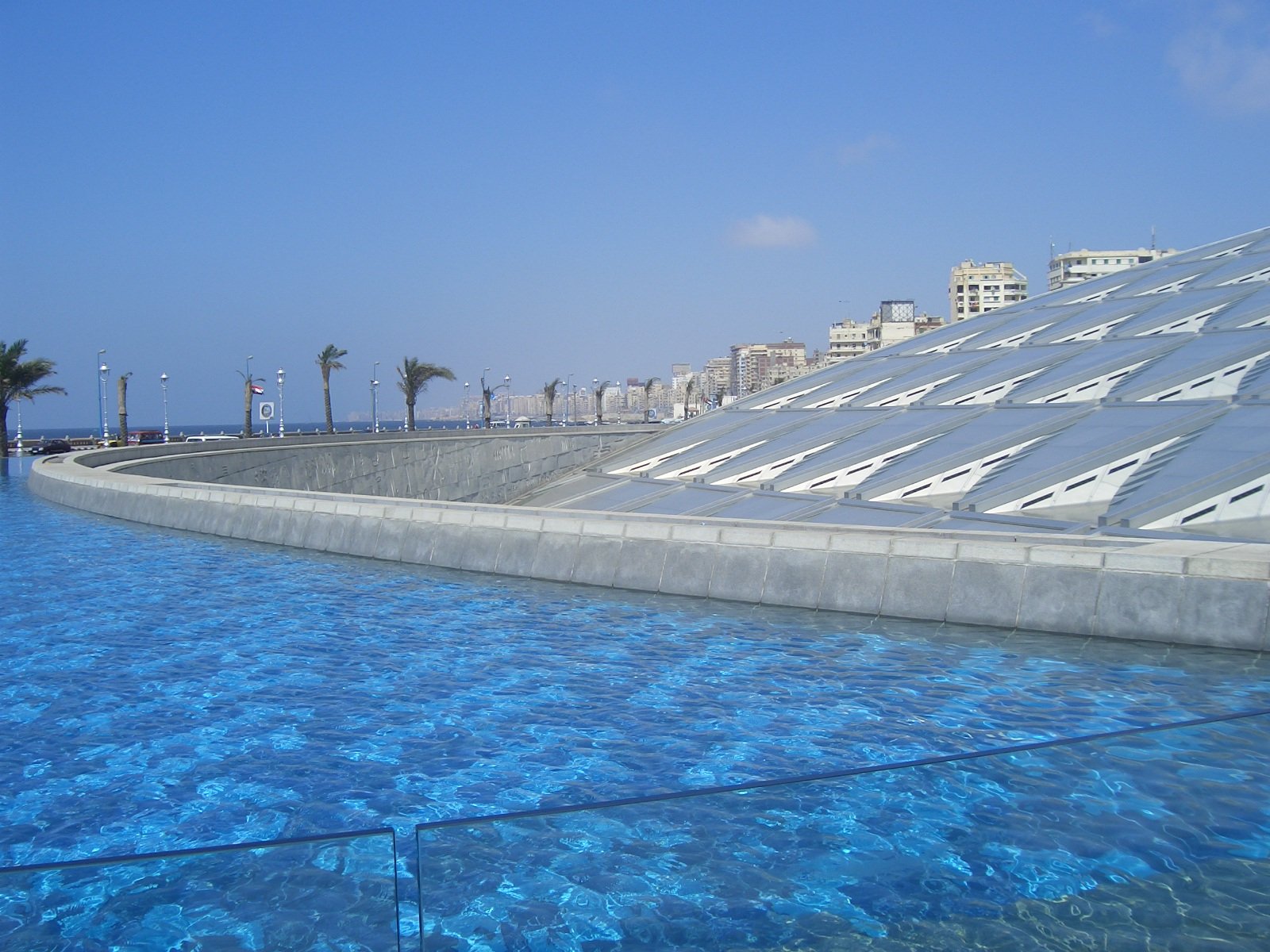
Bibliotheca Alexandrina,Egypt,Olympia Panagiotidou,Alexandria

Bibliotheca Alexandrina, Egypt

2nd Hellenistic Studies Workshop, The Alexandria Center of Hellenistic Studies
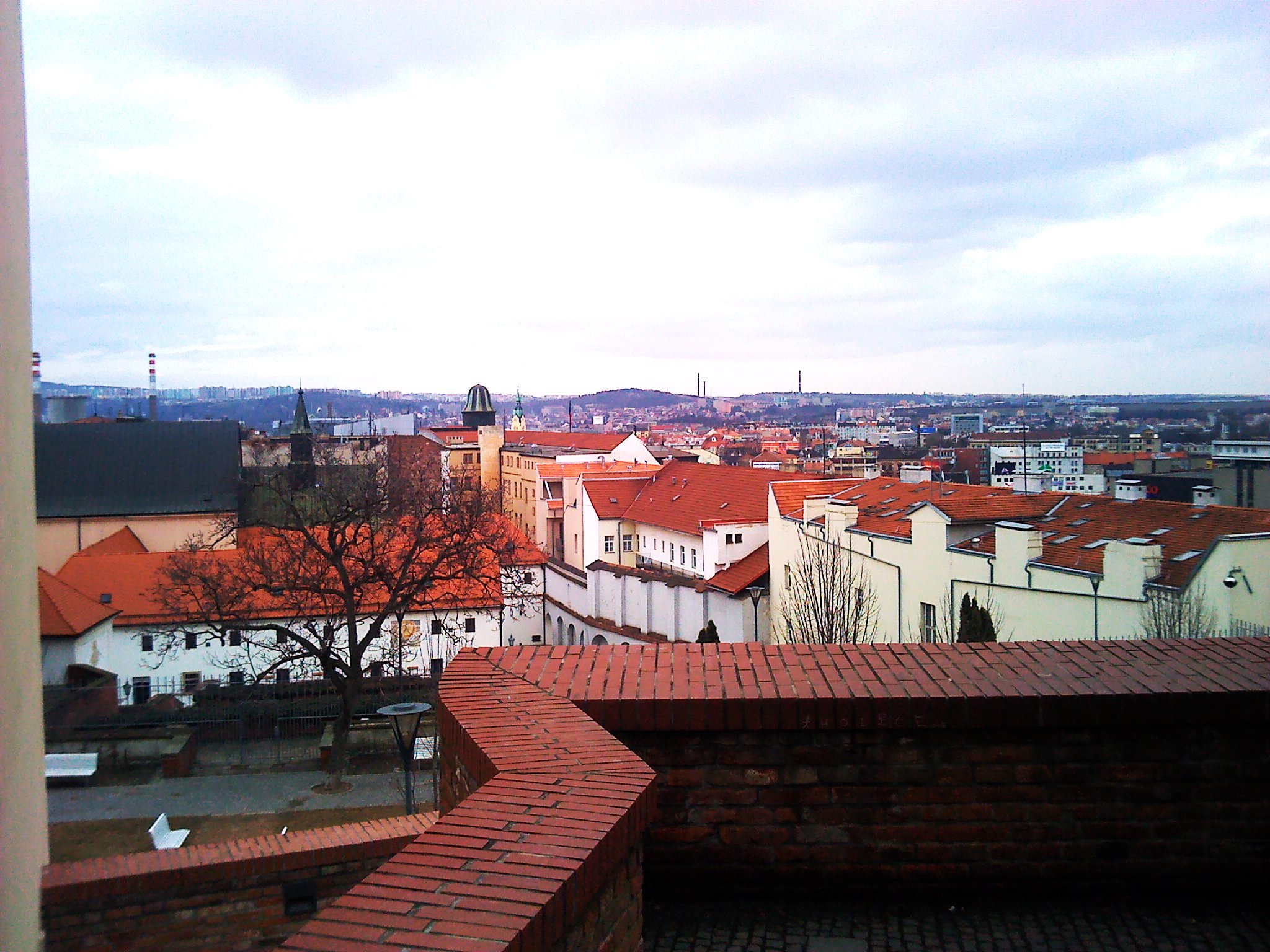
Brno,Czech Republic,Masaryk University,Olympia Panagiotidou

Brno, Czech Republic.

"Past, Present, and Future in the Scientific Study of Religions"
London,Great Britain,London Eye,Millennium Wheel,Olympia Panagiotidou

London, Great Britain

History and Cognition towards a Cognitive Historiography
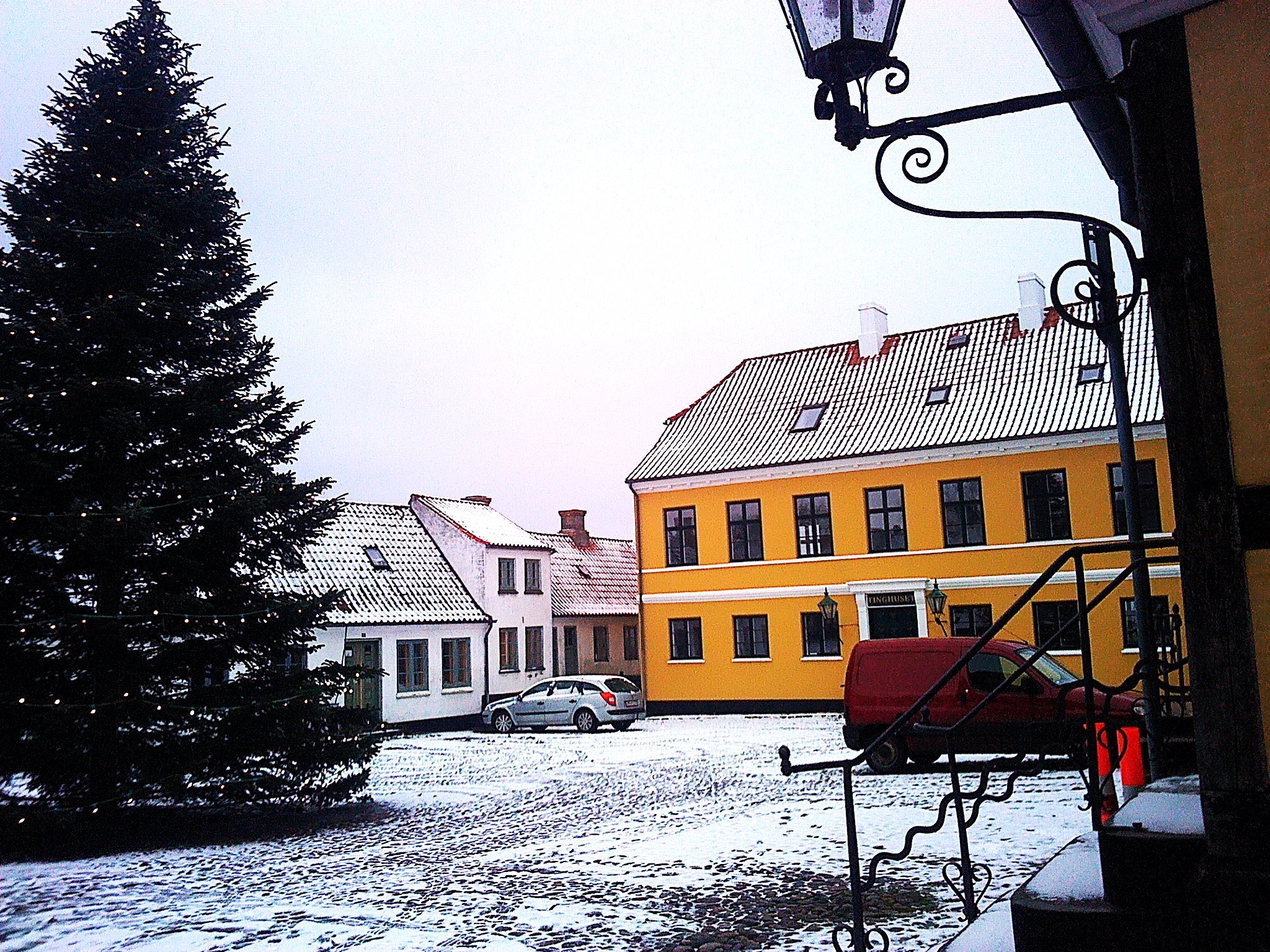
Ebeltoft,Denmark,snow,Olympia Panagiotidou

Ebeltoft, Denmark

Conversion and Initiation in Antiquity: shifting identities - creating change
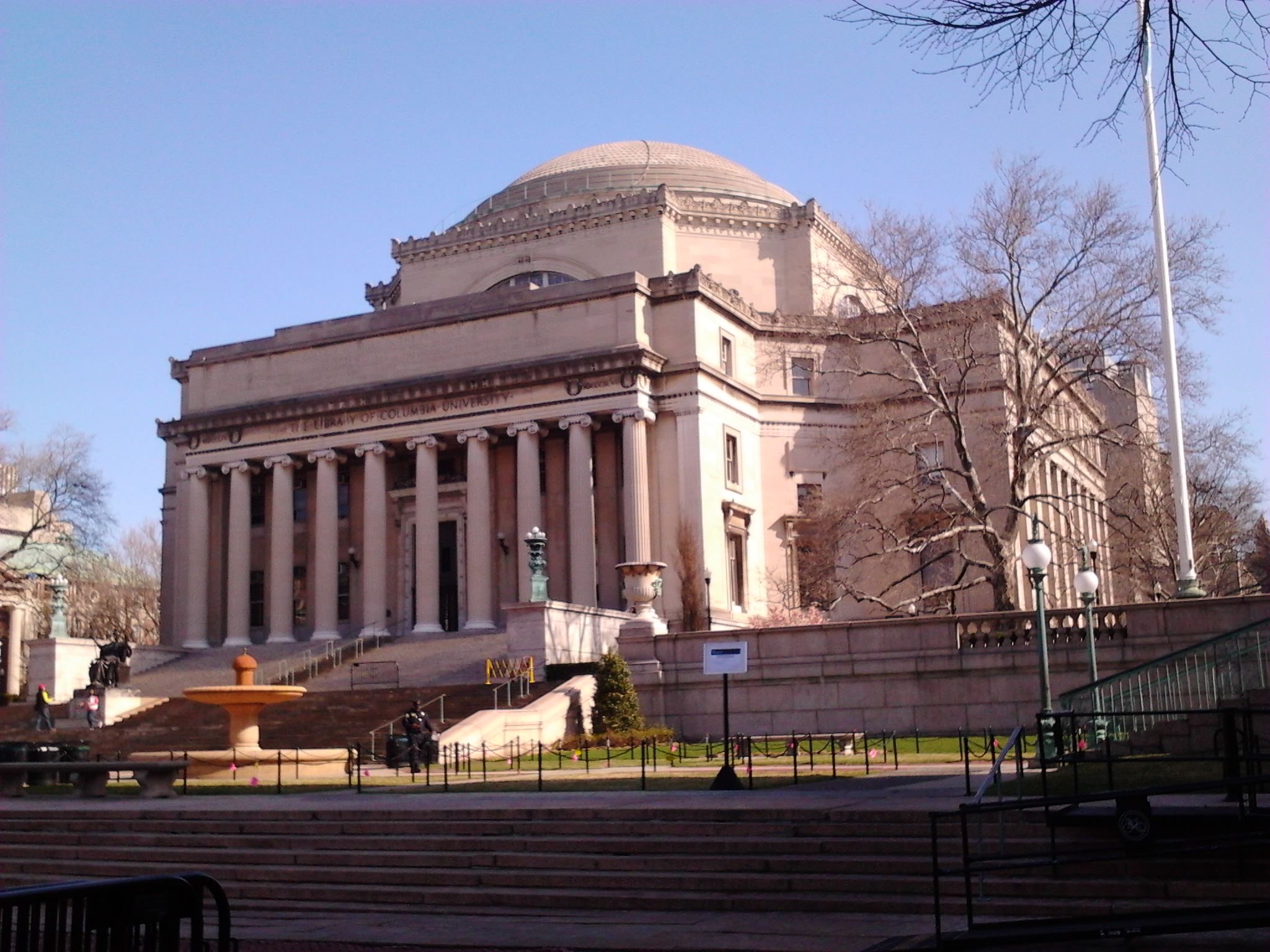
Columbia University,USA,New York,Manhattan,Olympia Panagiotidou

Columbia University, New York, USA

Popular Medicine in the Graeco-Roman World

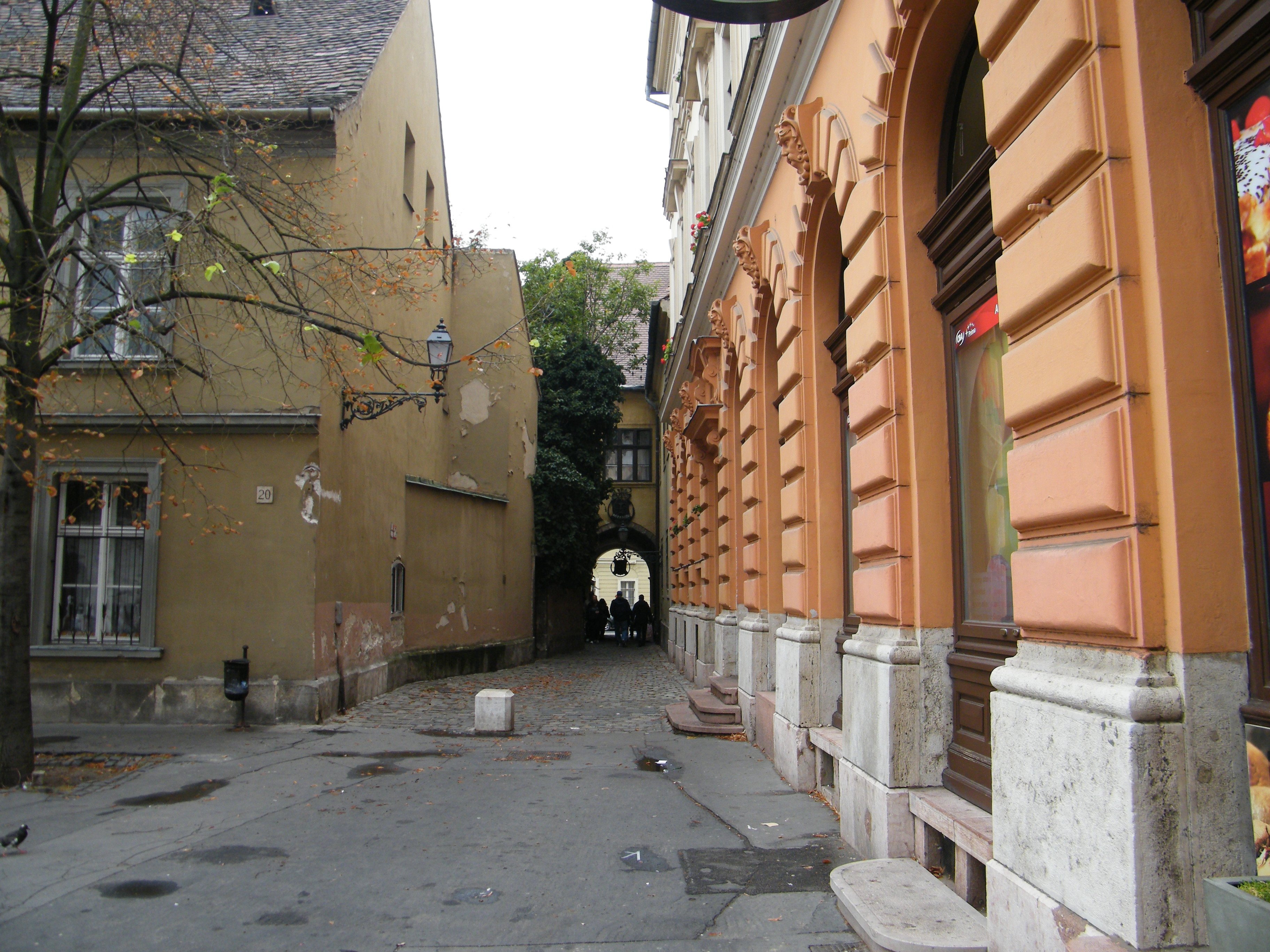
Budapest,Hungary

New Movements in Religion Theories and Trends

Loutraki, Greece

Spatialising Practices: Landscapes, Mindscapes, Socioscapes.

Aarhus, Denmark

Worlding the Brain: Tools of Collective Prediction