
FAQ Page
-
-
Follow the The Public Sector Management Act 1994
Governs the administration, employment, and management of the Western Australian public sector. It establishes the Public Sector Commission, sets out principles for human resource management, and covers matters such as ethical codes, discipline, and the functions of Chief Executive Officers.
AustLII
+4
Key aspects of the Public Sector Management Act 1994 (WA) include:
- Administration: Provides for the management of the Public Service and other public sector entities.
- Public Sector Commission: Establishes the office of the Public Sector Commissioner, appointed by the Governor, responsible for maintaining high standards.
- Employment Framework: Outlines appointment processes, including for Chief Executive Officers (CEOs) and Senior Executive Service (SES) officers.
- Accountability: Sets out requirements for agency performance, management, and compliance with public sector standards.
- Discipline: Defines breaches of discipline and procedures for improvement actions.
- AustLII
- +4
Note: This Act is specific to Western Australia. Other states may have similar, differently titled legislation (e.g., Queensland has the Public Sector Ethics Act 1994).
Queensland Legislation
+2
-
-
-
-
-
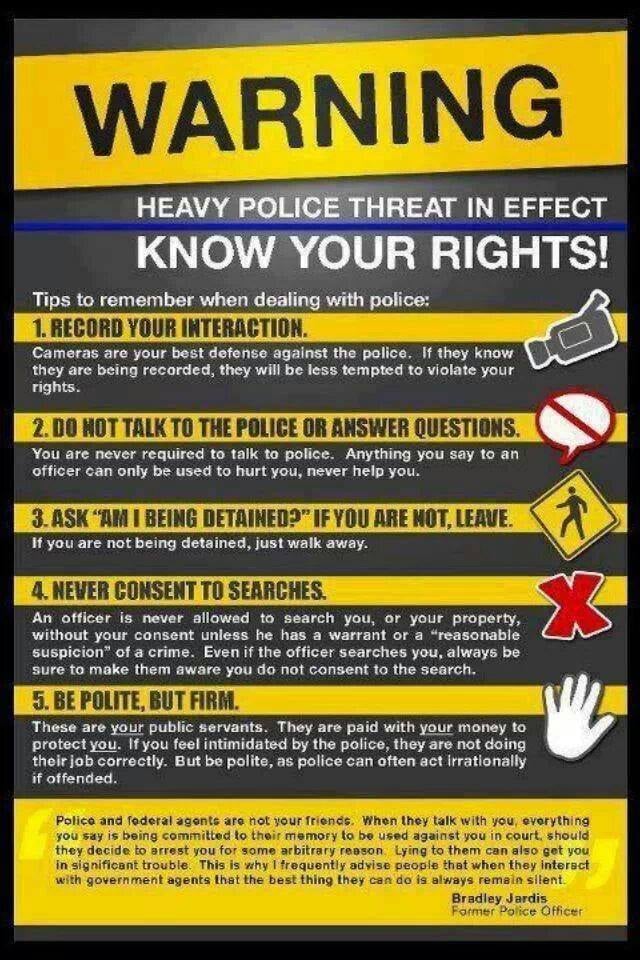
You can but it's wise not to.
"Sorry officer we don't have to answer your questions"
-
32.1 A solicitor must not make an allegation against another Australian legal practitioner of unsatisfactory professional conduct or professional misconduct unless the allegation is made bona fide and the solicitor believes on reasonable grounds that available material by which the allegation could be supported .
-
Unsatisfactory professional conduct, in the context of a profession like law or healthcare, refers to actions or omissions that fall below the expected standard of competence and diligence, potentially breaching professional ethics or legal regulations.
Here's a more detailed explanation:
General Definition:
- Below Standard:
- Unsatisfactory conduct is behavior that is significantly below the level of knowledge, skill, judgment, or care that a reasonably competent professional of the same experience and training would demonstrate.
- Breach of Duty:
- It can involve failing to meet professional obligations, violating relevant laws or regulations, or disregarding ethical guidelines.
- Examples (General):
- Examples include dishonesty, charging excessive fees, neglecting client matters, or failing to comply with orders or decisions of a professional standards committee.
Specific Examples (Based on Search Results):
- Lawyers:
- Charging excessive legal costs.
- Failing to comply with an order of the Legal Practitioners Disciplinary Tribunal.
- Persistent delay in answering a client's letters, emails, or telephone calls.
- Acting in the same matter for both the client and other people whose interests conflict with the client's interests.
- Failing to catch an error of dates, disadvantaging the client.
- Negligent preparation of documents.
- Health Practitioners:
- Conduct that demonstrates the knowledge, skill or judgment possessed, or care exercised, by the practitioner in the practice of the practitioner's profession is significantly below the standard reasonably expected of a practitioner of an equivalent level of training or experience.
- Any other improper or unethical conduct relating to the practice or purported practice of the practitioner's profession.
- Nurses:
- Failure to meet expected professional and ethical standards and legislation.
- Poor ethical competence and neglect of professional guidelines.
- Not respecting patients' rights and dignity.
- Threatening patient safety.
-
According to the ABA, the most common attorney discipline complaints filed with the bar association involve:
- Neglect.
- Lack of communication.
- Misrepresentation or dishonesty.
- Scope of representation.
- Fee disputes.
-
Unprofessional conduct refers to dishonorable or immoral behavior that violates the code of ethics of one's position or profession. This type of behavior can have serious consequences and should be avoided at all costs.
-
A breach of conduct meaning is, in short, an act that violates terms set out in a policy pertaining to conduct. Importantly, that act does need to be intentional. Instead, anyone can be guilty of a breach of conduct if they mean to do so or not.
-
Examples include: causing serious and imminent risk to the health and safety of another person or to the reputation or profits of their employer's business, theft, fraud, assault, sexual harassment or refusing to carry out a lawful and reasonable instruction that is part of the job.
-
Often, complaints arise due to miscommunication or when clients feel that their lawyer is unresponsive or unapproachable.
-
5 Dishonest and disreputable conduct
5.1 A solicitor must not engage in conduct, in the course of practice or otherwise, which demonstrates that the solicitor is not a fit and proper person to practise law, or which is likely to a material degree to: 5.1.
-
A code of ethics is a set of principles or guidelines that define ethical behavior within a specific profession, organization, or industry, serving as a moral compass for decision-making and conduct.
Here's a more detailed breakdown:
Purpose and Function:
- Guiding Principles:
- Codes of ethics establish core values and principles that should guide the actions and decisions of individuals within a particular field.
- Promoting Ethical Conduct:
- They aim to encourage higher standards of behavior and professionalism, ensuring that individuals act in a way that aligns with the organization's values and benefits all stakeholders.
- Maintaining Trust and Integrity:
- By outlining ethical expectations, codes of ethics help maintain trust and integrity within a profession, industry, or organization.
- Providing Guidance:
- They offer guidance for navigating ethical dilemmas and making sound judgments when faced with complex situations.
- Setting Standards:
- Codes of ethics define the standards to which professionals are held, ensuring accountability and promoting responsible conduct.
Examples of Codes of Ethics:
- Professional Organizations: Many professional bodies, such as the Australian Medical Association (AMA), Engineers Australia, and the Australian Association of Social Workers (AASW), have their own codes of ethics to guide their members.
- Businesses: Businesses often have codes of ethics to ensure ethical operations, including principles like honesty, integrity, transparency, and accountability.
- Public Sector: Government agencies and public sector organizations also have codes of ethics to ensure ethical conduct and accountability.
- Early Childhood Australia: has a code of ethics for early childhood professionals
- International Coaching Federation: has a code of ethics for its members
Key Elements of a Code of Ethics:
- Core Values: The fundamental values that the organization or profession upholds.
- Ethical Principles: Broad principles that guide ethical decision-making.
- Guidelines for Conduct: Specific guidelines or standards for behavior in various situations.
- Mechanisms for Addressing Ethical Issues: Procedures for reporting unethical behavior and addressing ethical concerns.
- Consequences of Violations: The potential consequences for violating the code of ethics.
-
Yes, a lawyer can refuse a client. This decision is typically based on ethical and legal grounds, such as conflicts of interest, financial constraints, or moral objections. However, lawyers must ensure that their reasons for refusal align with professional ethical standards and legal guidelines.
-
Unsatisfactory professional conduct, in the context of a profession like law or healthcare, refers to actions or omissions that fall below the expected standard of competence and diligence, potentially breaching professional ethics or legal regulations.
Here's a more detailed explanation:
General Definition:
- Below Standard:
- Unsatisfactory conduct is behavior that is significantly below the level of knowledge, skill, judgment, or care that a reasonably competent professional of the same experience and training would demonstrate.
- Breach of Duty:
- It can involve failing to meet professional obligations, violating relevant laws or regulations, or disregarding ethical guidelines.
- Examples (General):
- Examples include dishonesty, charging excessive fees, neglecting client matters, or failing to comply with orders or decisions of a professional standards committee.
Specific Examples (Based on Search Results):
- Lawyers:
- Charging excessive legal costs.
- Failing to comply with an order of the Legal Practitioners Disciplinary Tribunal.
- Persistent delay in answering a client's letters, emails, or telephone calls.
- Acting in the same matter for both the client and other people whose interests conflict with the client's interests.
- Failing to catch an error of dates, disadvantaging the client.
- Negligent preparation of documents.
- Health Practitioners:
- Conduct that demonstrates the knowledge, skill or judgment possessed, or care exercised, by the practitioner in the practice of the practitioner's profession is significantly below the standard reasonably expected of a practitioner of an equivalent level of training or experience.
- Any other improper or unethical conduct relating to the practice or purported practice of the practitioner's profession.
- Nurses:
- Failure to meet expected professional and ethical standards and legislation.
- Poor ethical competence and neglect of professional guidelines.
- Not respecting patients' rights and dignity.
- Threatening patient safety.
-
Unethical behavior refers to any action that violates moral principles, professional standards, or organizational policies, resulting in harm or unfair advantage. This behavior undermines the effectiveness, reputation, values, or goals of an organization (or society at large) for unjust reasons.
-