


Japan’s hot springs are not only places to bathe. In a few carefully managed locations, travelers can taste certified spring water, experience the unmistakable sulfur atmosphere of an active geothermal field, or cook a complete meal with natural steam.
The three experiences are not interchangeable. “Drink” never means taking water from a bath. “Smell” does not mean deliberately inhaling volcanic gas. “Eat” requires a purpose-built cooker operated under local rules. This guide separates the three so you can enjoy them without guessing.
Information was checked against prefectural, municipal and local tourism sources on 28 September 2026.
QUICK DECISION
Drink: choose Nagayu Onsen in Oita for designated carbonated drinking springs.
Smell and observe: choose Unzen Jigoku in Nagasaki for sulfur-scented steam, mineral ground and a free geothermal walking area.
Eat: choose Jigokumushi Kobo Kannawa in Beppu to steam vegetables, eggs, meat or seafood in a public geothermal cooker.
1. DRINK — NAGAYU ONSEN, OITA
Nagayu Onsen is a riverside hot-spring town in Taketa City known for naturally carbonated water. The official Oita tourism site states that designated places around town allow visitors to taste the carbonated spring water. The nearest railway station is JR Bungo-Taketa; the onsen area is best approached by local transport or car.
What makes the experience different is the water’s mineral character rather than sweetness. Expect a mineral taste and natural carbonation, not a bottled soft drink.
The safety rule is absolute: only drink from an outlet clearly marked for drinking, using the provided cup or the facility’s stated method. Never scoop water from a bath, outdoor pool or decorative channel. Mineral composition differs by source, and suitability can depend on health conditions. This guide does not prescribe a dose or promise a medical result.
Official Nagayu Onsen information:https://oita-tourism.com/en/onsenArea/detail_1139.html
Google Maps — Nagayu Onsen:https://www.google.com/maps/search/?api=1&query=Nagayu+Onsen+Oita
Plan it this way: treat Nagayu as a slow half-day or overnight stop rather than a quick taste at a roadside tap. Confirm that the specific drinking outlet you intend to use is operating when you arrive.
2. SMELL AND OBSERVE — UNZEN JIGOKU, NAGASAKI
Unzen Jigoku is a geothermal field between the old and new hot-spring districts of Unzen. Steam rises through pale, altered ground, and a strong sulfur smell hangs over the walking area. The official Unzen tourism authority explains that the vapor contains mainly steam along with carbon dioxide and hydrogen sulfide. The sulfur smell is part of the landscape, but it is not an invitation to lean over a vent or deliberately inhale the gas.
Stay on the maintained route, respect barriers and follow temporary closures. Geothermal output is natural and can change. Visitors with respiratory sensitivity should use particular care and leave the area if they feel unwell.
The main geothermal area is open 24 hours and admission is free, but there is no nighttime illumination. Daylight is the sensible choice for seeing the ground, signs and walking route.
Unzen also connects the atmosphere to food. Unzen Jigoku Kobo sells eggs steamed by the geothermal heat. The official listing checked on 28 September 2026 gives these details:
• Open 10:00 a.m.–5:00 p.m.
• Open year-round in principle
• May close in severe weather
• Sales finish when items sell out
• Onsen eggs: 2 for ¥200 or 5 for ¥400
The traditional longevity saying associated with the eggs is local folklore, not a medical claim.
Official Unzen Jigoku information:https://unzenonsen.unzen.org/watch/jigoku/
Google Maps — Unzen Jigoku:https://www.google.com/maps/search/?api=1&query=Unzen+Jigoku
3. EAT — JIGOKUMUSHI KOBO KANNAWA, BEPPU
Kannawa is one of Beppu’s best-known hot-spring districts, with steam rising through streets that developed around bathing and therapeutic stays. At Jigokumushi Kobo Kannawa, visitors use a dedicated geothermal cooker to steam their own ingredients. This is a supervised public facility, not an improvised attempt to cook over a random vent.
Steam cooking suits vegetables, eggs, seafood and meat. The food itself is separate from the cooker fee, so decide whether you will buy ingredients locally or bring permitted ingredients before joining the queue. Follow staff instructions on preparation, cooking time and safe handling of the hot basket.
Facility information checked on the Beppu City page on 28 September 2026:
• Hours: 10:00 a.m.–7:00 p.m.
• Last cooking order: 6:00 p.m.
• Closed: third Wednesday of each month; the following day when Wednesday is a public holiday
• Standard cooker: ¥400 for the first 15 minutes, then ¥200 per additional 10 minutes or part thereof
• Large cooker: ¥600 for the first 15 minutes, then ¥300 per additional 10 minutes or part thereof
• Reservations are not accepted
The facility is about 20 minutes from JR Beppu Station by car. The city also lists buses from both the west and east exits to the Kannawa area. Because reservations are unavailable, arrive with time to spare on weekends and holidays rather than building a tight onward connection.
Official Beppu City facility information:https://www1.city.beppu.oita.jp/sisetu/sangyou_kankou/11kankou_11-17jikgokumushi.html
Official Kannawa area overview:https://oita-tourism.com/en/onsenArea/detail_1125.html
Google Maps — Jigokumushi Kobo Kannawa:https://www.google.com/maps/search/?api=1&query=Jigokumushi+Kobo+Kannawa
THE SAFE WAY TO REMEMBER THE DIFFERENCE
Drink only where a drinking-spring sign and dedicated outlet permit it.
Smell the geothermal landscape from the public route; do not treat volcanic vapor as an inhalation treatment.
Eat only food prepared in a designated cooker, following the facility’s handling instructions.
These boundaries are what turn three unusual onsen encounters into usable travel experiences instead of risky travel anecdotes.
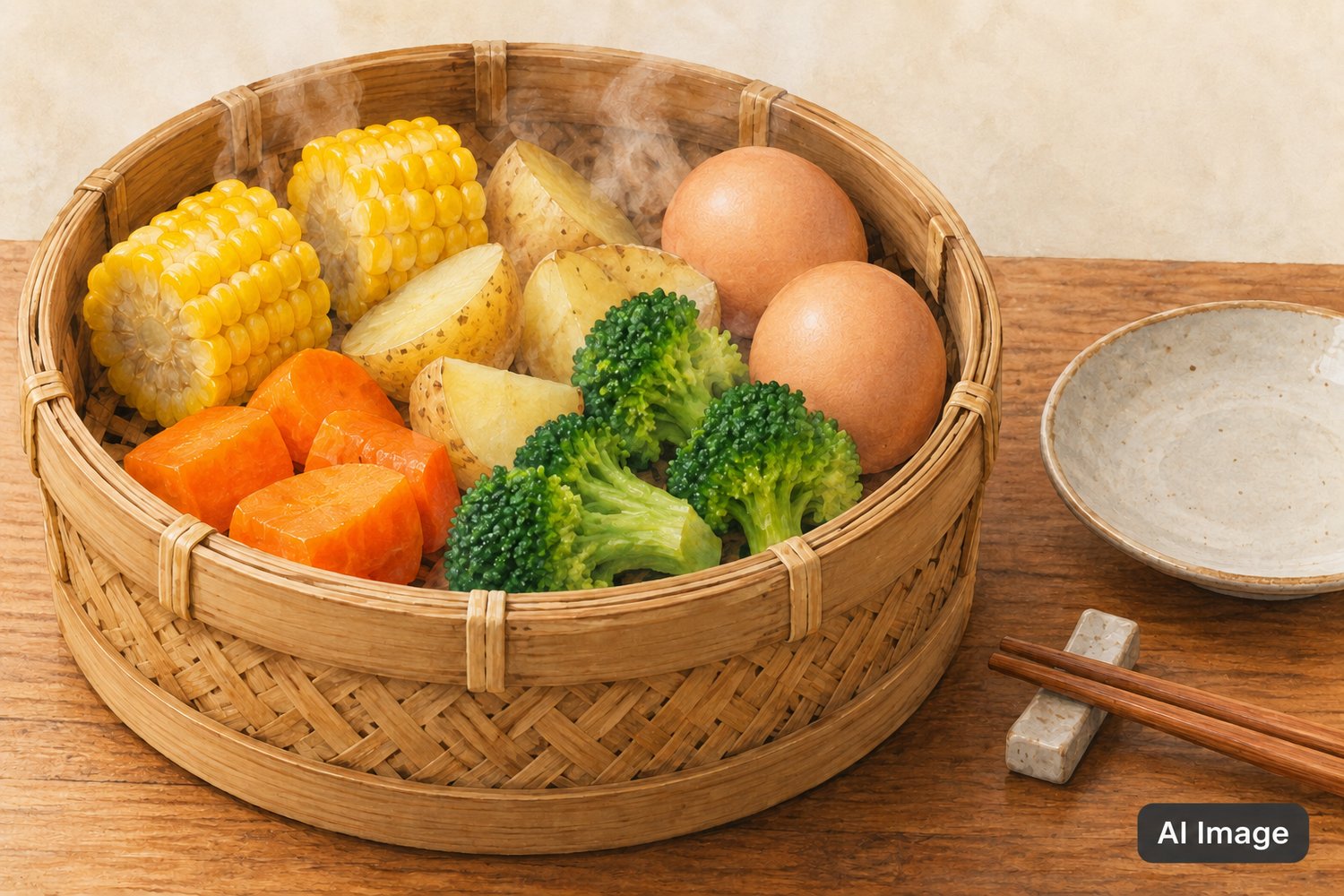
Planning tip: choose the experience that fits your route before arranging transport. For steam cooking, budget for ingredients and cooker use separately, and leave time for the queue. Keep your onward connection flexible. The illustration shows a generic basket of steamed food; it is not a photograph of a facility or a promise of its menu.
For a wider comparison of Japan’s volcanic landscapes and unusual hot-spring experiences—including Owakudani, Beppu and Toyotomi’s rare oil-bearing spring—continue with the illustrated Japan Volcano & Unusual Onsen 2026 guide:https://payhip.com/b/YVyqa
The accompanying image is an AI-generated editorial illustration. It does not reproduce a named spring, geothermal field or cooking facility and should not be used as documentary evidence.
Verification date: 28 September 2026. Opening hours, prices, closures and access arrangements can change. Use the linked official facility pages for the latest operating and reservation information.