


When you’re putting together a 72-hour kit, it’s tempting to focus on gear like flashlights, snacks, or batteries. But water is the one supply you absolutely cannot overlook. Without safe drinking water, your health and energy will decline quickly—even in just one day.
Think about it this way: a storm, earthquake, or power outage could cut off your access to clean water with no warning. Having water included in your kit gives you confidence that you and your family can stay hydrated, prepare simple meals, and keep up basic hygiene until help arrives or utilities are restored.
1. Pack Portable Water Pouches

The easiest way to add water to your 72-hour kit is with sealed emergency water pouches. These small, lightweight packs are designed for long shelf life and can slip into almost any bag. They’re easy to ration, won’t spill if punctured, and usually last up to five years.
Picture a situation where you need to evacuate quickly: instead of lugging around a bulky jug, you can grab your kit and know each person has pre-measured pouches for three days. They’re also a great option for kids’ kits since they’re lightweight and manageable. Plus, they won’t weigh your bag down if you need to carry it long distances. Each pouch is typically 4–8 ounces, which makes them easy to hand out individually. And since they are sealed airtight, you don’t have to worry about contamination before opening.
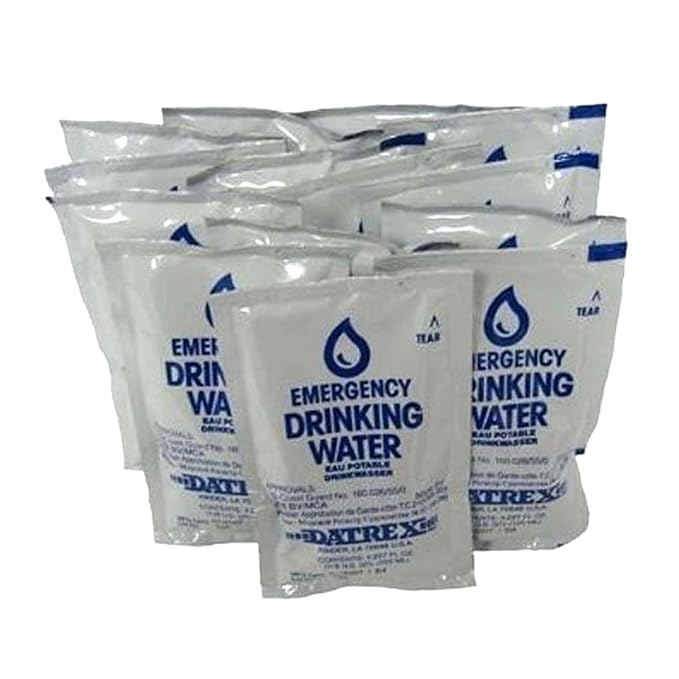
- Compact and lightweight for grab-and-go situations.
- Long shelf life (often up to 5 years).
- Pre-measured for simple rationing.
2. Include a Durable Reusable Bottle

Another smart step is adding a reusable water bottle to each kit. A stainless-steel or BPA-free plastic bottle not only carries water but can also serve multiple purposes in an emergency. For example, stainless steel allows you to boil questionable water directly over a heat source.
Imagine you’re stuck somewhere with access to a natural stream but no safe tap water. Having a sturdy bottle means you can collect, purify, and store water on the go. Pair it with a lightweight filter, and you’ve got a backup supply that doesn’t take up much room in your pack. A reusable bottle also helps cut down on waste, since you can refill it repeatedly instead of relying only on disposable pouches. It’s a practical choice for both short-term emergencies and long-term sustainability. And if you choose an insulated version, it can keep water cooler for longer in hot climates.
- Holds fresh water for immediate use.
- Multi-use option (boiling or cooking).
- Pairs perfectly with a lightweight filter.
3. Add a Lightweight Filter

Finally, give yourself peace of mind by including a portable water filter. A lightweight filter ensures you’ll always have access to drinkable water, even if your stored supply runs out. These filters are compact, effective, and designed to remove bacteria and other harmful contaminants from natural sources.
Think of it this way: bottled or pouched water covers your immediate needs, but a filter buys you time if your situation lasts longer than three days. This small tool could make all the difference if you’re caught somewhere without access to safe drinking water. Many portable filters can process hundreds of gallons before wearing out, making them a worthwhile investment. They’re also extremely light, so they won’t take up much space in your kit. With one in your bag, you’ll always have a reliable backup when other options aren’t available.
- Compact and lightweight for emergency kits.
- Removes harmful bacteria from streams, lakes, or other natural sources.
- Extends your water supply beyond stored bottles or pouches.
Final Thoughts
When it comes to your 72-hour kit, water is more than just a convenience—it’s survival. By combining water pouches, a reusable bottle, and a lightweight filter, you’ll have a complete strategy for staying hydrated no matter what happens.
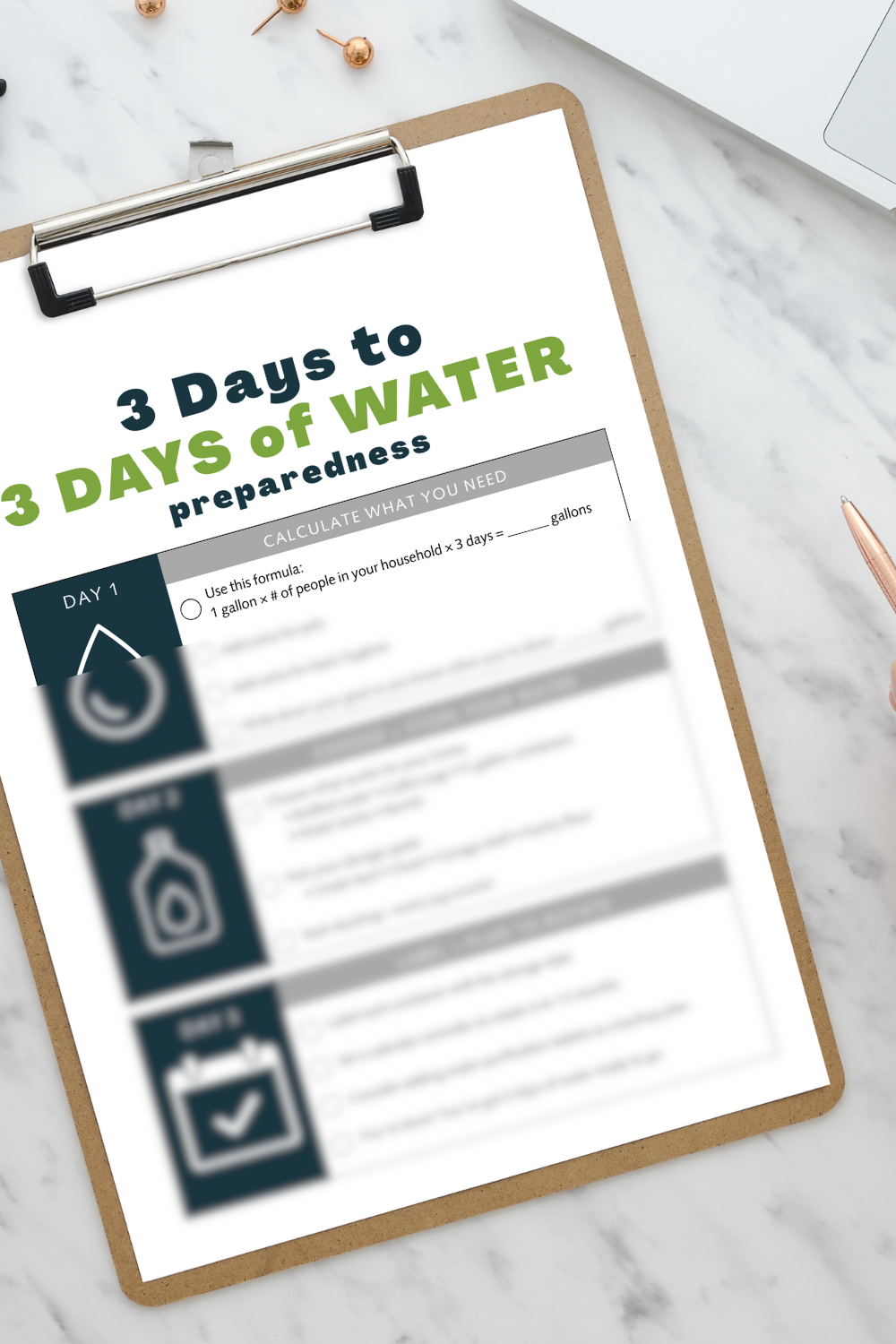
The key is balance: some water ready to drink immediately, a container for carrying more, and a way to make any water source safe. If you’re ready to put this into action, grab my 3 Days to 3 Days of Water Preparedness Planner. This printable gives you a step-by-step framework to organize your family’s water supply with confidence. Start today, and you’ll know you’re ready for the unexpected—without the stress of figuring it out alone.
You may also enjoy these:
- Why Water Storage Is the #1 Step in Emergency Preparedness
- 3 Life-Saving Reasons Water Storage Must Come First in Emergency Preparedness
This post may contain affiliate links, which means I may earn a commission if you purchase through them (at no extra cost to you!) Portions of this content may be generated by AI.
Comments ()