


When it comes to emergency preparedness, nothing is more vital than water. Food, shelter, and supplies are all important, but without water, survival quickly becomes impossible. The average person can only last about three days without water, while they can survive weeks without food. This makes water storage the absolute foundation of any preparedness plan.
Water is the first resource to run out during a crisis. Natural disasters, power outages, or supply chain disruptions can leave families without clean, safe drinking water in just a matter of hours. By starting with water storage, you are putting the most important piece of your emergency plan in place first, giving your family stability and peace of mind no matter what comes your way.
1. Your Body Depends on It

Water isn’t just something nice to have—it’s a non-negotiable necessity for life. Without enough water, the body quickly shuts down. Dehydration causes headaches, confusion, and fatigue, making it harder to function or make decisions in an emergency. Children and older adults are especially vulnerable, and even mild dehydration can increase the risk of illness. Imagine trying to carry your child to safety or cook a simple meal while dizzy and weak from lack of water—it quickly becomes unmanageable.
- Hydration keeps your body functioning properly—every system depends on it.
- Dehydration affects energy and focus, which are essential in a crisis.
- Water regulates body temperature, preventing heat stroke or hypothermia.
- Storing water means protecting your health before disaster strikes.
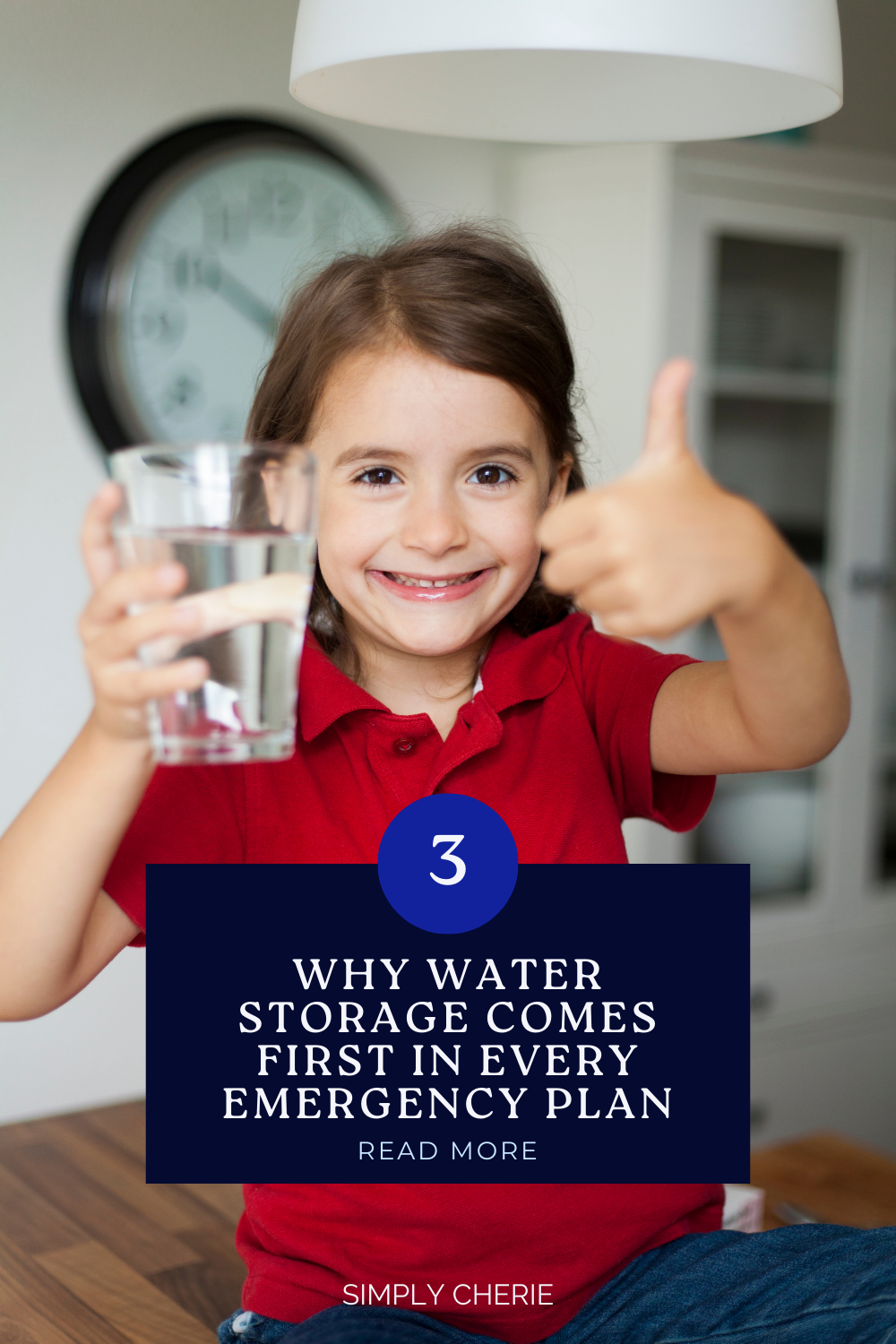
In short, without water, your body will not have the strength or clarity to handle even the simplest tasks. Having water stored ensures you can think clearly, move safely, and make the right decisions under pressure. It’s not about comfort—it’s about survival.
2. Emergencies Disrupt Water Supplies First
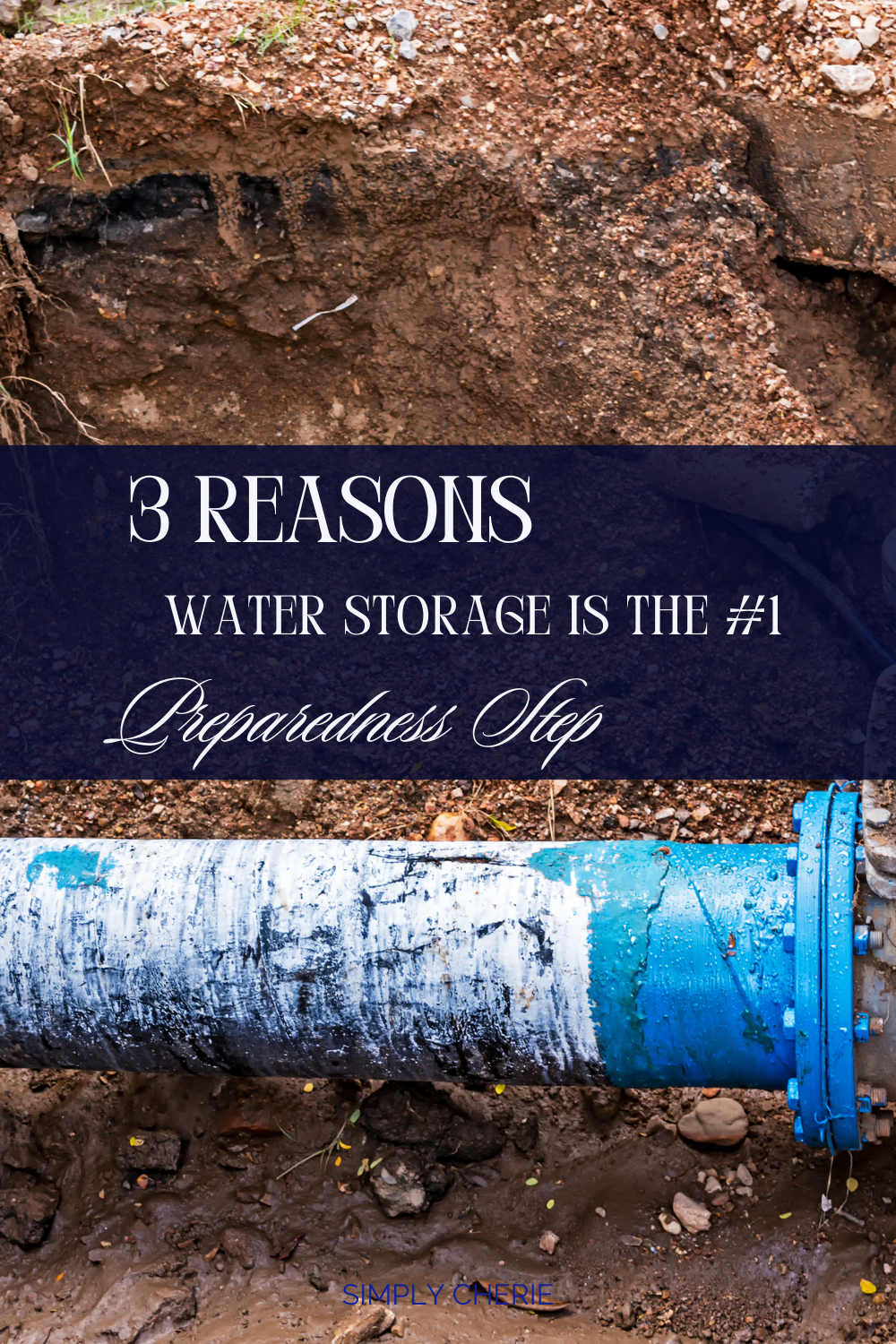
During disasters, clean water is often the first resource to disappear. Power outages can stop pumps, floods contaminate local sources, and boil-water advisories can leave families scrambling. Stores also sell out of bottled water almost immediately, leaving those who wait until the last minute unprepared. Think about the last major storm you saw on the news—shelves were empty, and families lined up for hours hoping to get even a single case of bottled water.
- City water systems can fail, leaving whole neighborhoods without safe water.
- Bottled water sells out within hours after disasters strike.
- Relying on last-minute shopping is risky—you can’t depend on supply chains.
- Having stored water at home gives you independence and peace of mind.

When you’ve already prepared, you don’t have to fight crowds or worry about whether the tap is safe. You simply turn to your stored supply and know your family will be covered. This simple step eliminates panic when everyone else is scrambling.
3. Water Is More Than Just Drinking
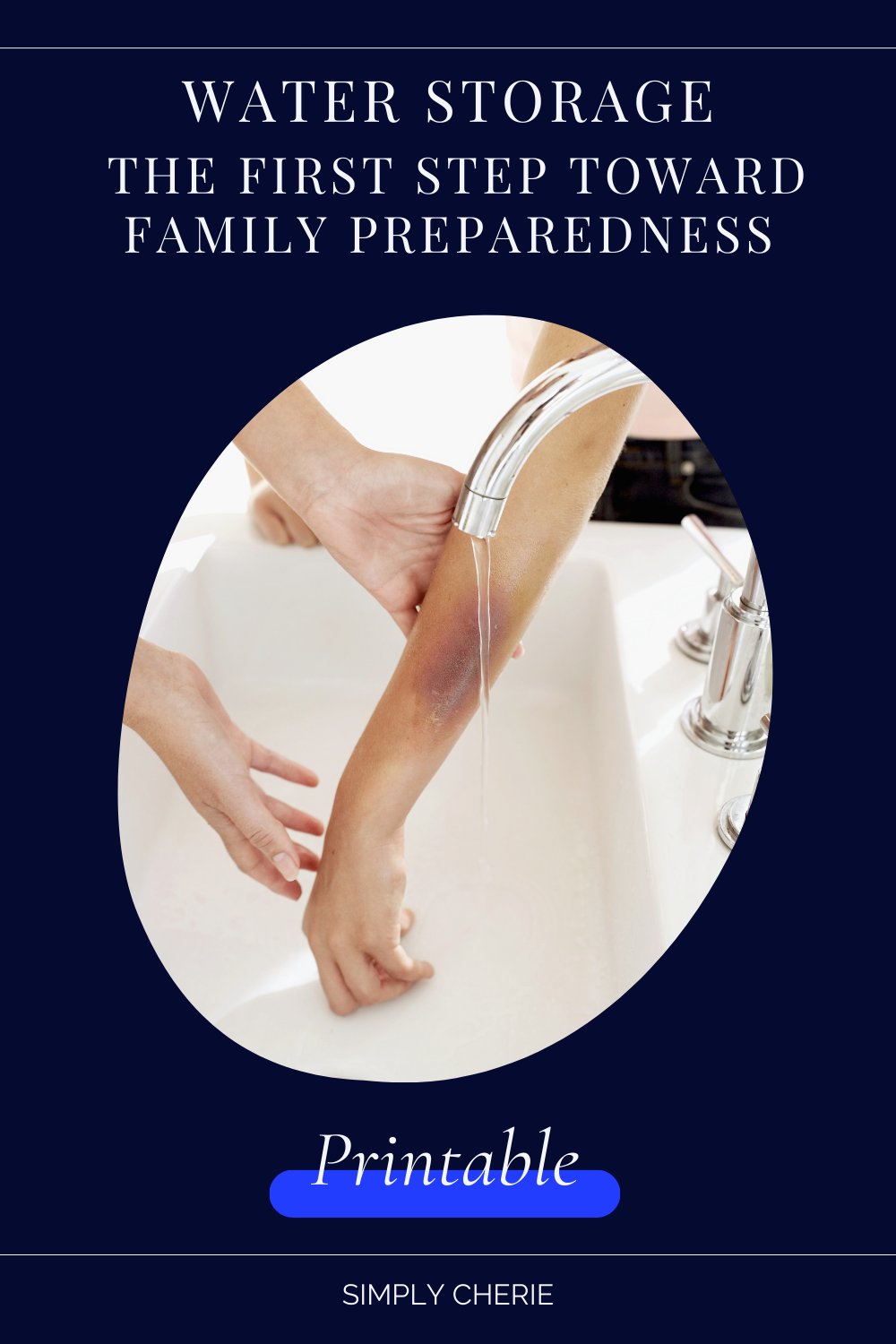
When planning for emergencies, many people only think about drinking water. But stored water is also needed for cooking, cleaning, sanitation, and even first aid. Without it, basic hygiene becomes impossible, and the risk of illness grows. Pets also need access to safe water, so planning ahead ensures you cover every need. Picture being without running water for three days—suddenly, making dinner, brushing your teeth, or even rinsing a scraped knee becomes a serious challenge.
- Cooking and food preparation require clean water.
- Hygiene and handwashing prevent the spread of disease.
- First aid and wound care rely on clean water to reduce infection.
- Sanitation, from toilets to simple cleaning, requires stored water.
It’s easy to underestimate just how many times a day you reach for water. From rinsing vegetables to taking medication, water is woven into every part of daily life. Storing enough ensures you can keep those routines going, even in the middle of a crisis.
Final Thoughts
At the end of the day, water storage is the single most important step in emergency preparedness. Without it, even the best food supply or survival gear won’t last for long. Water is the backbone of survival—it keeps you strong, healthy, and capable of handling the challenges a crisis brings.
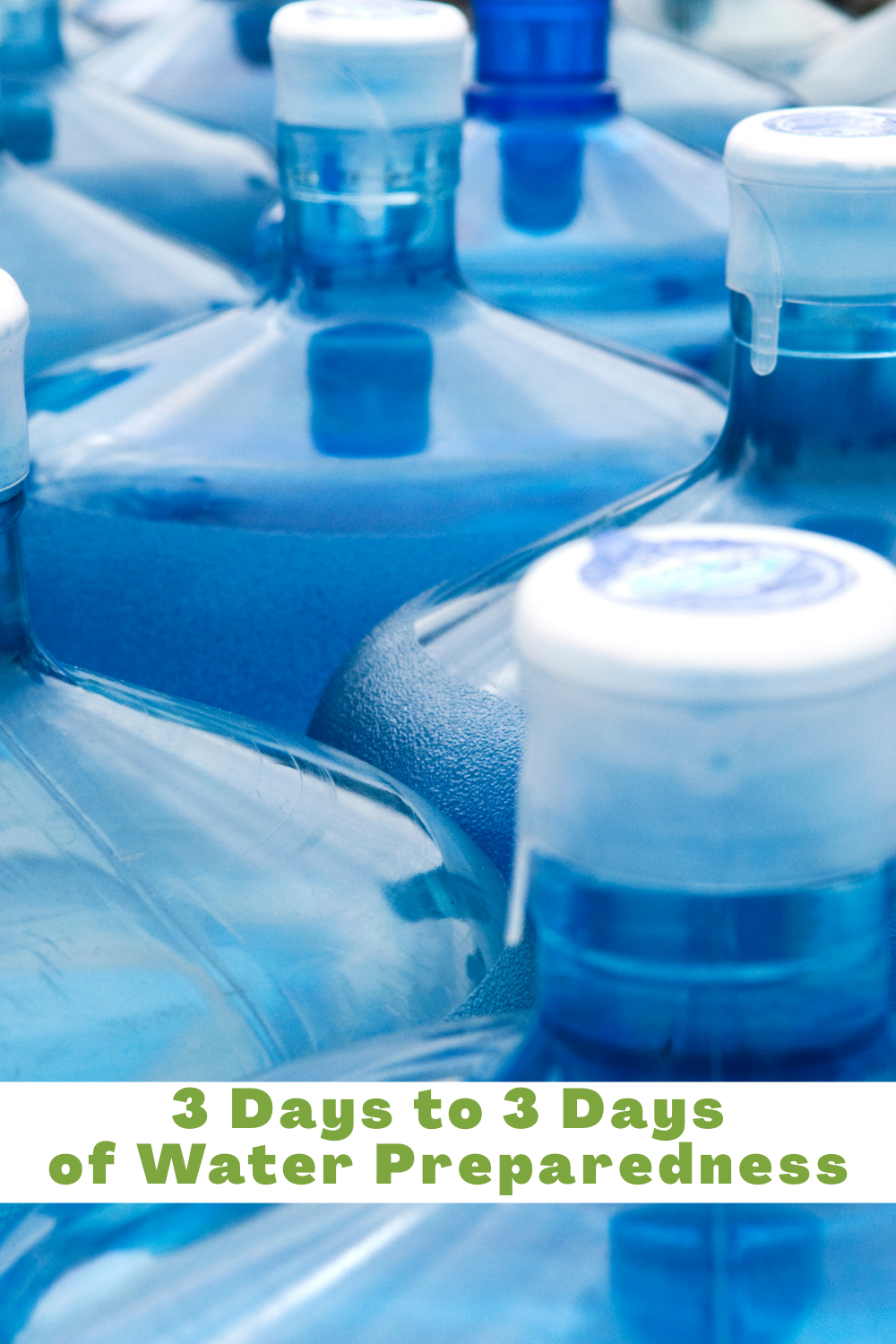
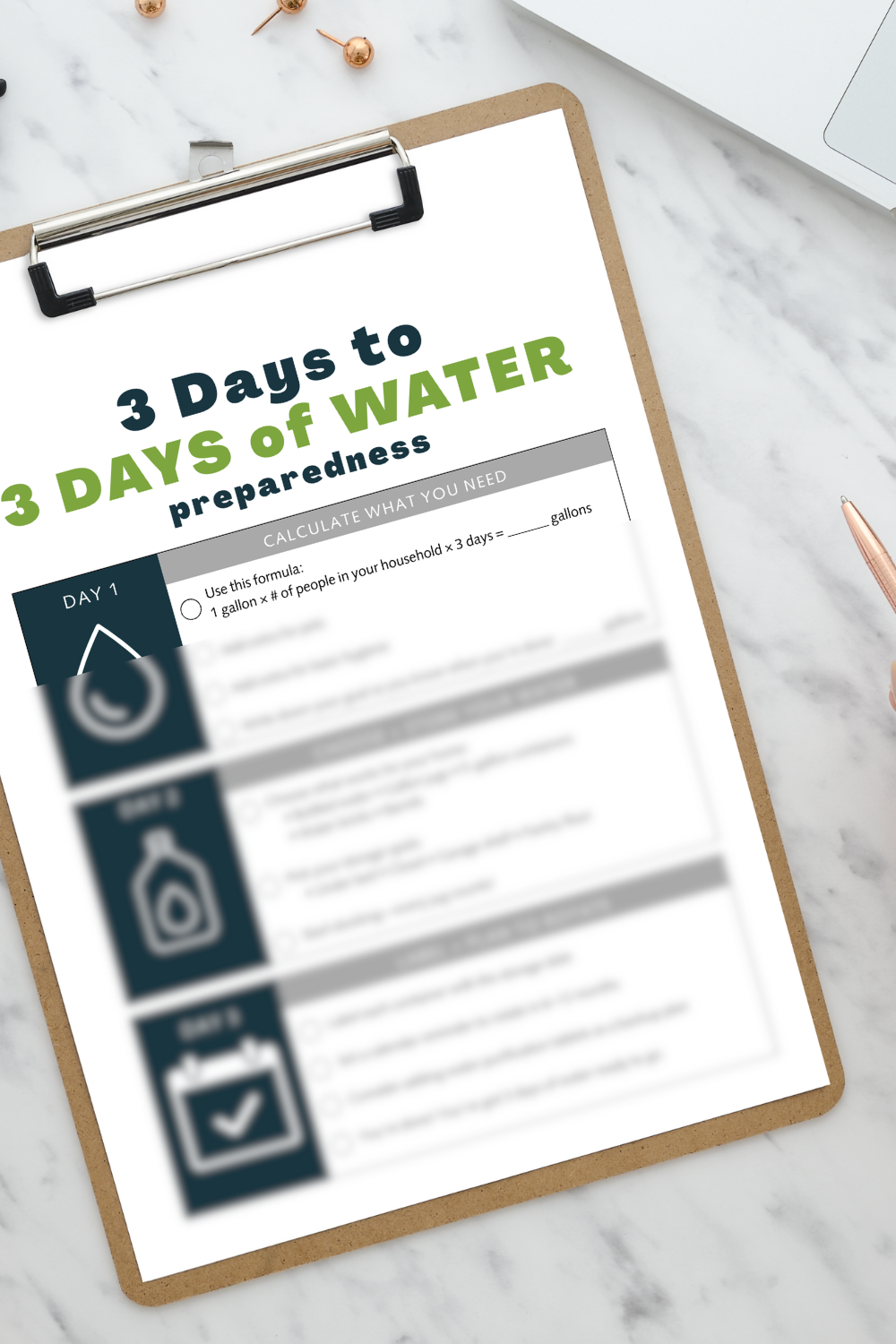
If you’re not sure where to begin, my 3 Days to 3 Days of Water Preparedness Planner gives you a simple, step-by-step roadmap. It walks you through exactly how much water to store, where to put it, and how to keep it safe—so you don’t have to guess or overcomplicate the process. With this planner, you can go from feeling unprepared to knowing your family has enough water for the first critical days of any emergency.
You may also enjoy these:
- 3 Life-Saving Reasons Water Storage Must Come First in Emergency Preparedness
- 3 Easy Ways to Add Water to Your 72-Hour Kit
This post may contain affiliate links, which means I may earn a commission if you purchase through them (at no extra cost to you!) Portions of this content may be generated by AI.
Comments ()