

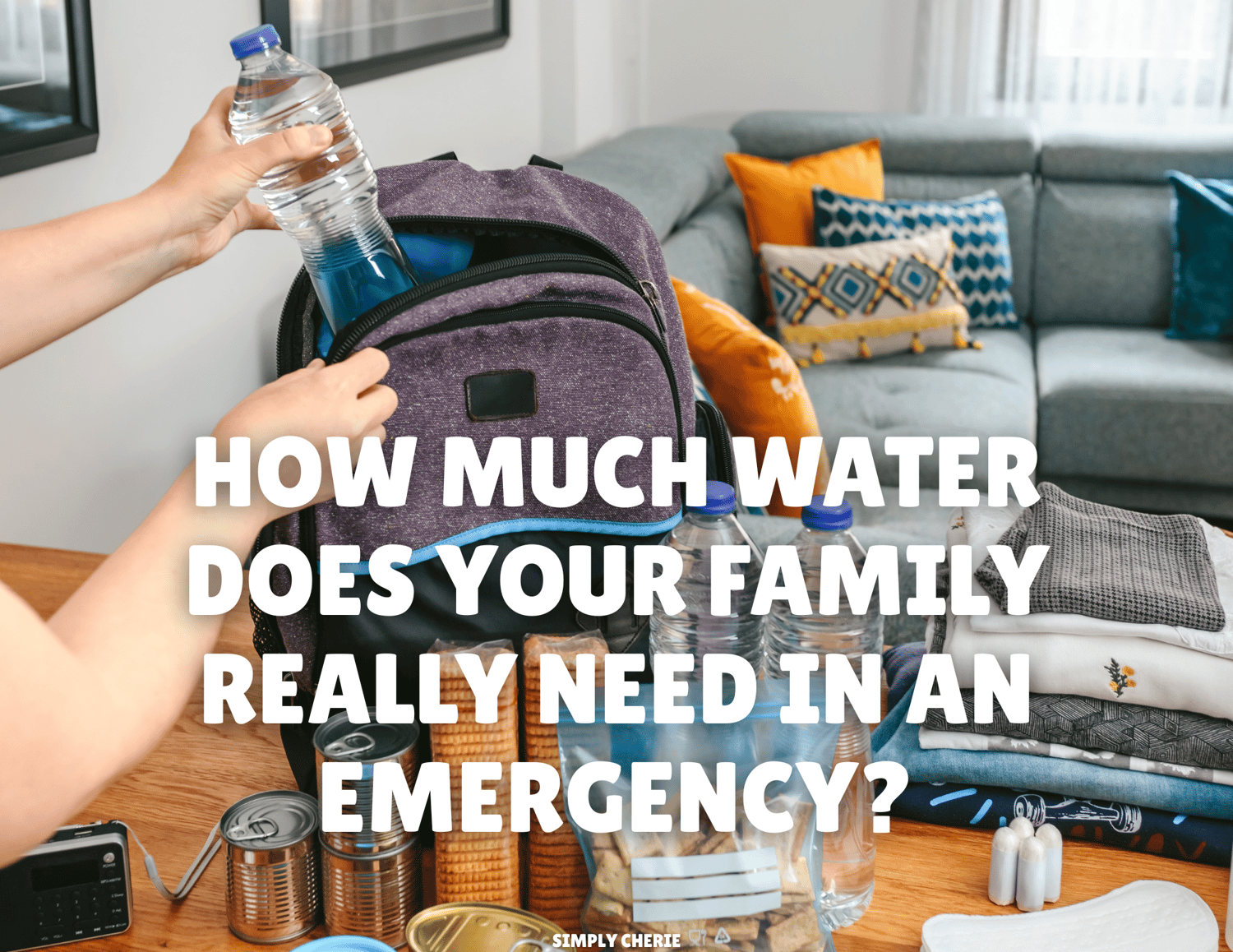
Water is the single most important resource to plan for in any emergency. You can go weeks without food, but only a few days without water. That’s why getting water storage right should be one of your very first preparedness steps.
Many families underestimate how much water they’ll actually need, and this can leave them vulnerable when disaster strikes. It’s not just about drinking—water is also necessary for cooking, cleaning, and basic hygiene. Once you see the real numbers, you’ll understand why planning ahead makes all the difference.
1. The General Rule: One Gallon Per Person, Per Day
The most common guideline from emergency management agencies is at least one gallon of water per person, per day. That sounds manageable until you start multiplying it out for your entire household. A family of four, for example, would need 12 gallons just for three days. That’s a lot more than a single case of bottled water.
- 1 gallon covers basic drinking needs and a little for hygiene.
- Cooking, washing hands, or brushing teeth can quickly increase this amount.
- Children, nursing mothers, and people with health conditions may need extra.
- Pets also need to be included in your calculations.
- Hot climates and physically demanding conditions can double water needs.
When you do the math, it becomes clear that even short emergencies require careful planning. Don’t wait until shelves are empty at the store—start building your supply now.
2. Thinking Beyond Drinking: Hidden Daily Uses of Water
It’s easy to assume water storage is just for hydration, but emergencies make every drop matter. Daily routines use far more water than most families realize. Cooking rice, boiling pasta, or even making instant coffee requires water. Brushing your teeth, washing hands, and rinsing off dishes all add up quickly.
- Plan on at least half a gallon per person for drinking.
- Add another half gallon for hygiene and food preparation.
- Consider what you’ll use for cleaning cuts or minor injuries.
- If you have infants, formula preparation requires clean water.
- Don’t forget water for medications or rehydration drinks.
When you add these needs together, one gallon per person is really just the bare minimum. To feel truly secure, aim for closer to 1.5–2 gallons per person each day.
3. Calculating for Your Family’s Size and Situation
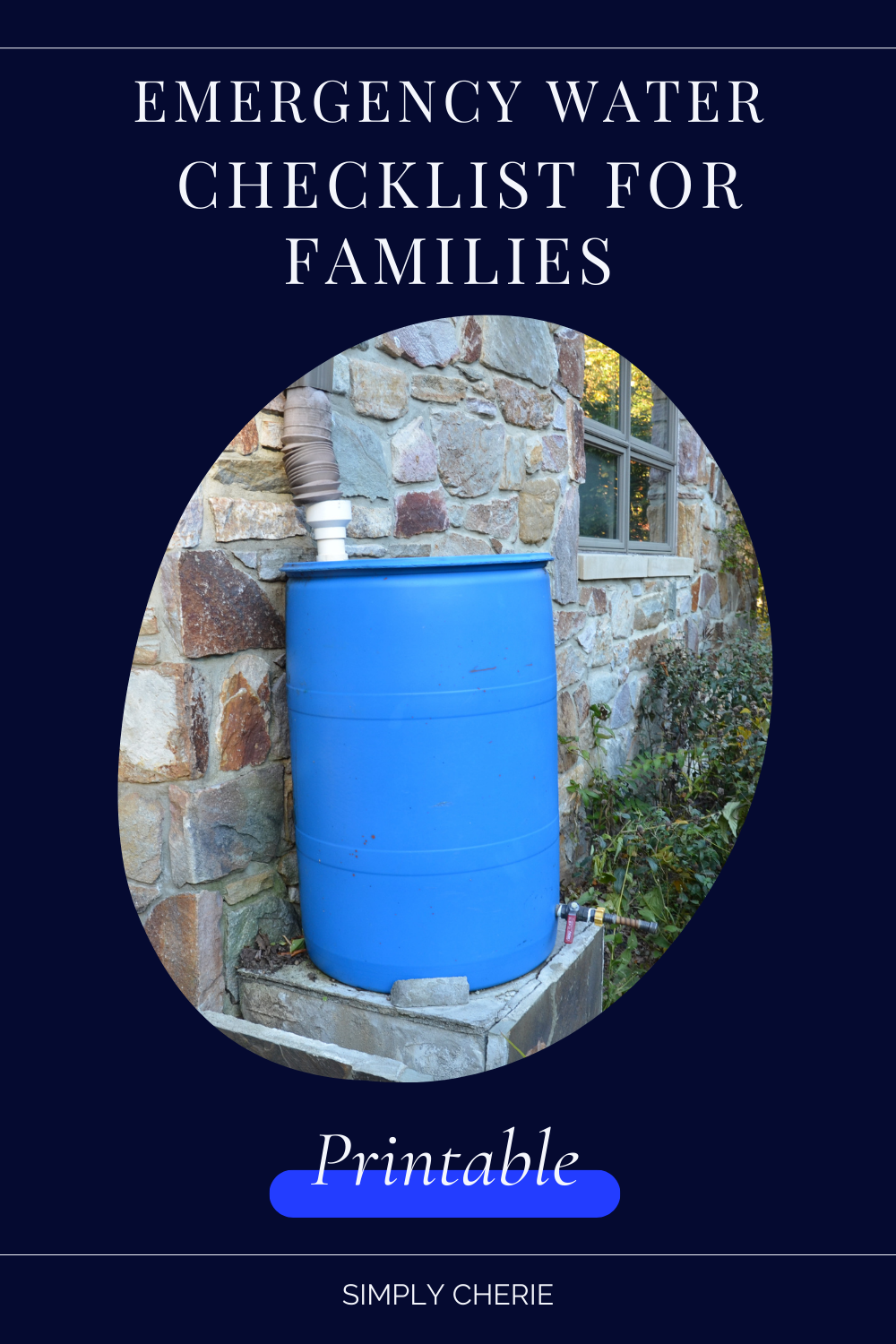
Every household has unique needs, so it’s important to calculate for your family specifically. Start with the one gallon per person per day rule and adjust from there. A family of four for three days should plan for 12–24 gallons, depending on climate and lifestyle. Larger families will naturally multiply those numbers, and households with pets or infants should increase storage even more.
- Dogs typically need 1 ounce of water per pound of body weight per day.
- Cats require slightly less, but should still be factored in.
- Babies on formula may double the water needed for their care.
- Outdoor lifestyles or hotter regions (like Arizona) require more than average.
- Elderly family members often need more frequent hydration.
The safest approach is to plan generously—having extra water is never a mistake. Once you calculate your true needs, you can create a realistic and stress-free water storage plan.
Final Thoughts
Knowing how much water your family really needs is the foundation of every emergency plan. It’s not just about having a case of bottled water on hand—it’s about storing enough for every essential use. When you calculate for drinking, cooking, hygiene, and pets, the numbers climb quickly. By planning ahead now, you’ll avoid panic and keep your family safe when it matters most. If you’re not sure where to begin, I’ve created a simple, step-by-step resource to guide you.
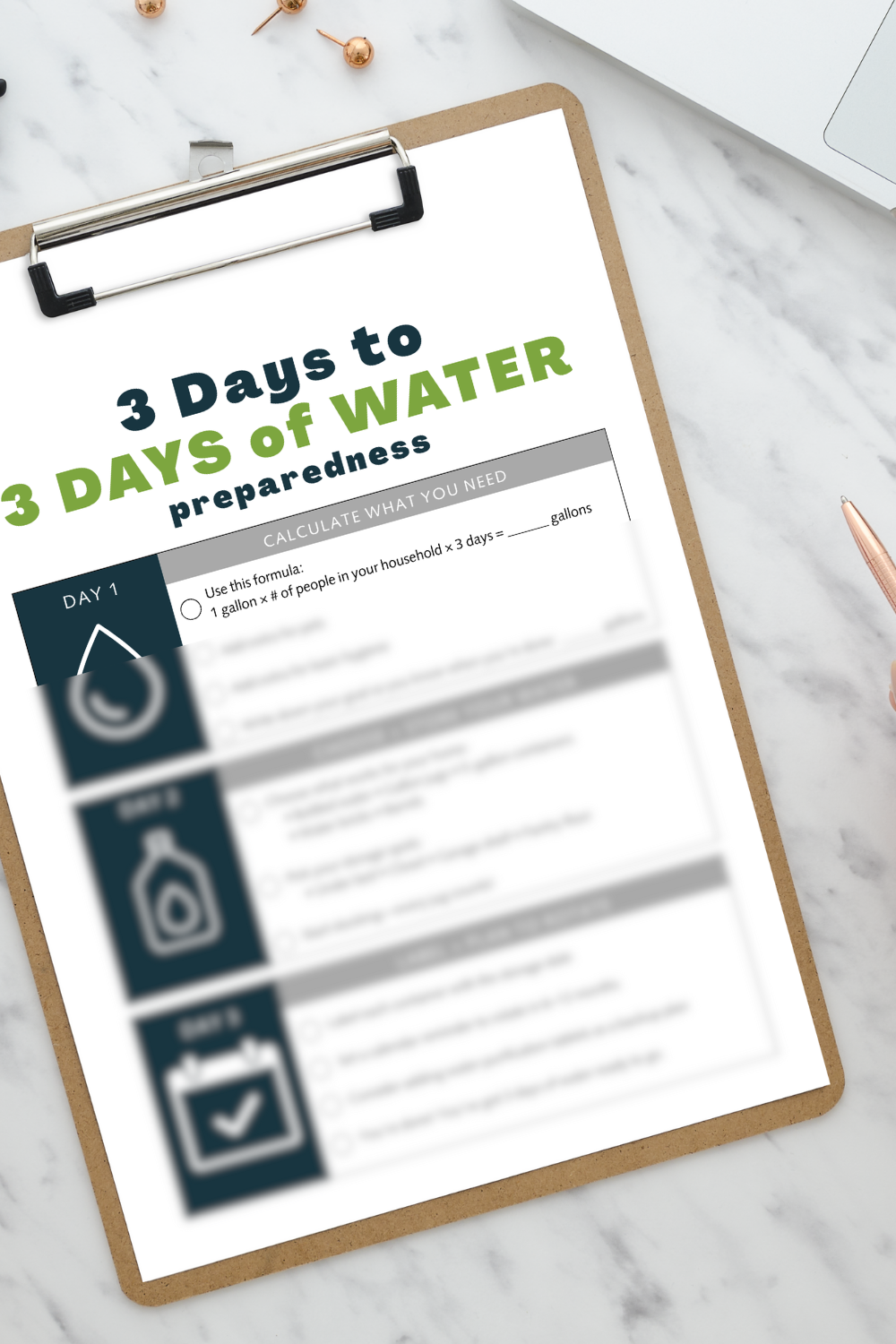
Get my 3 Days to 3 Days of Water Preparedness Planner and take the guesswork out of building your family’s water supply.
You may also enjoy these:
- Why Water Storage Is the #1 Step in Emergency Preparedness
- 3 Life-Saving Reasons Water Storage Must Come First in Emergency Preparedness
This post may contain affiliate links, which means I may earn a commission if you purchase through them (at no extra cost to you!) Portions of this content may be generated by AI.
Comments ()