First Moon
$5.00

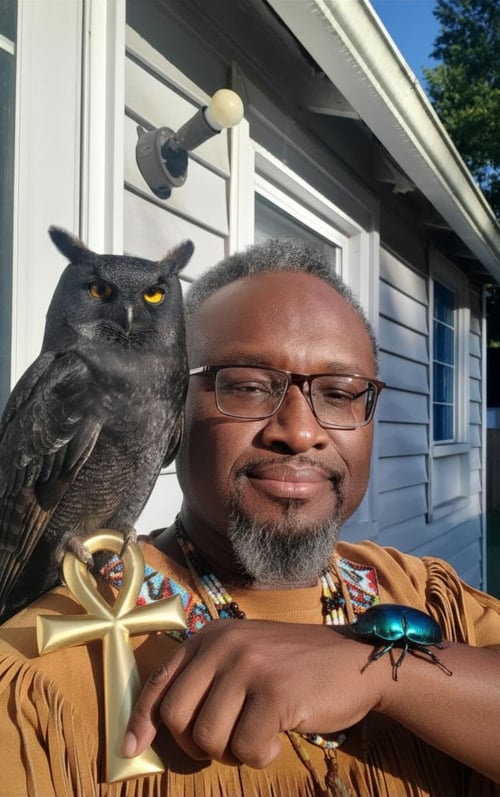
Dr. Karaam is the founder and High Skarab of the Temple of Human Spirituality, an emerging framework dedicated to structured human development, sacred space creation, and generational alignment. Through his work, he has developed a system that integrates curriculum, environment, and community into a unified approach for building sustainable and disciplined pathways for growth.
As High Skarab, Dr. Karaam serves as the primary architect of the Temple’s foundational systems, including the 19 Pillars, the Six Sash developmental framework, the KaLu Cell structure, and the Kingdom Point model. His focus centers on restoring clarity, purpose, and balance through intentional design—emphasizing the importance of protected environments, structured learning, and collective responsibility.
In addition to his organizational work, Dr. Karaam is an author, curriculum developer, and teacher, having created extensive written material and educational systems aimed at redefining how individuals and communities approach knowledge, identity, and long-term sustainability.
His role within the Temple is not only to guide but to build—establishing systems that can be maintained, replicated, and passed forward across generations. Through this work, Dr. Karaam continues to develop frameworks intended to support aligned living, disciplined thought, and the creation of environments where future generations can grow with clarity and purpose.
A framework for human development, intentional living, education, community, and purposeful growth.
The Temple of Human Spirituality is a developing body of teachings, practices, educational frameworks, and community initiatives centered on the development of the human being.
The Temple brings together spirituality, education, culture, personal discipline, community development, and practical application. Its work is designed to encourage people to examine how they live, what they value, how they relate to one another, and what they contribute to the world around them.
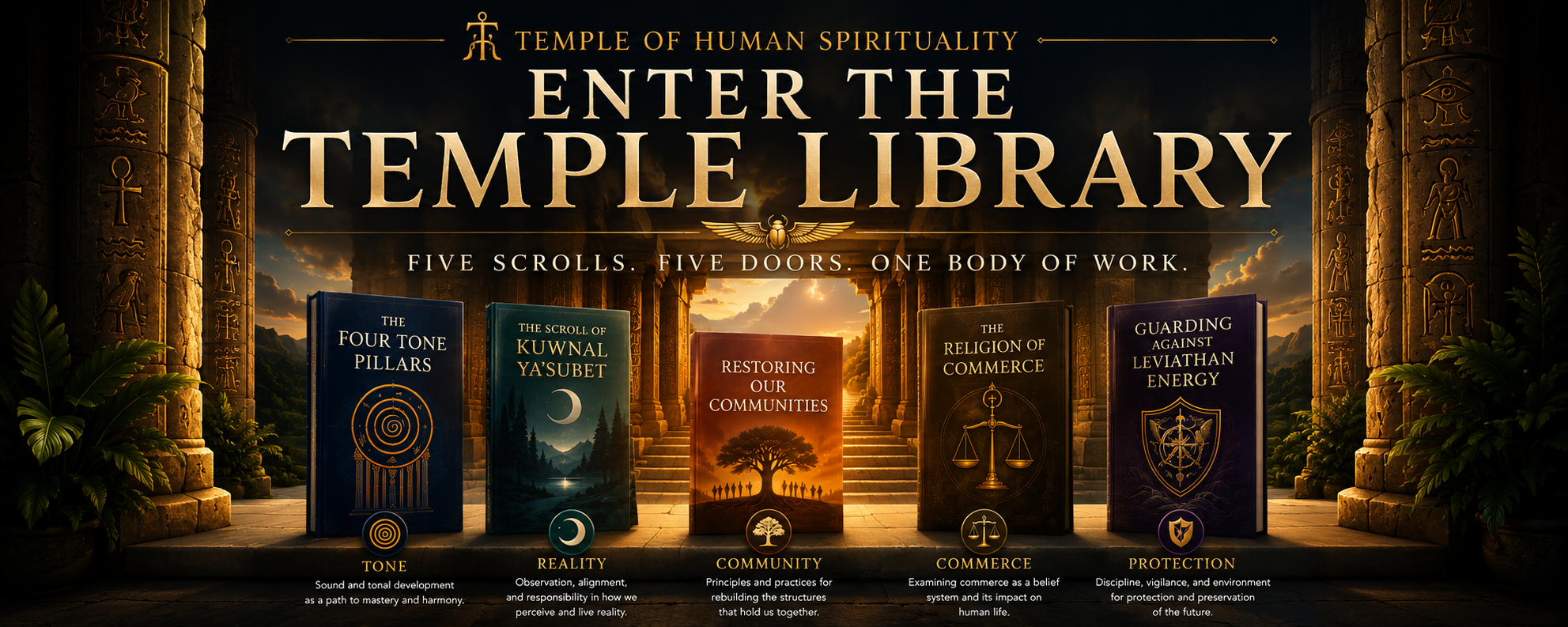
Through its curriculum, Temple Scrolls, books, sacred spaces, community projects, and other initiatives, the Temple provides different pathways for study, reflection, development, and participation.
The Temple is not simply something to read about. It is a body of work to explore, study, and apply.