

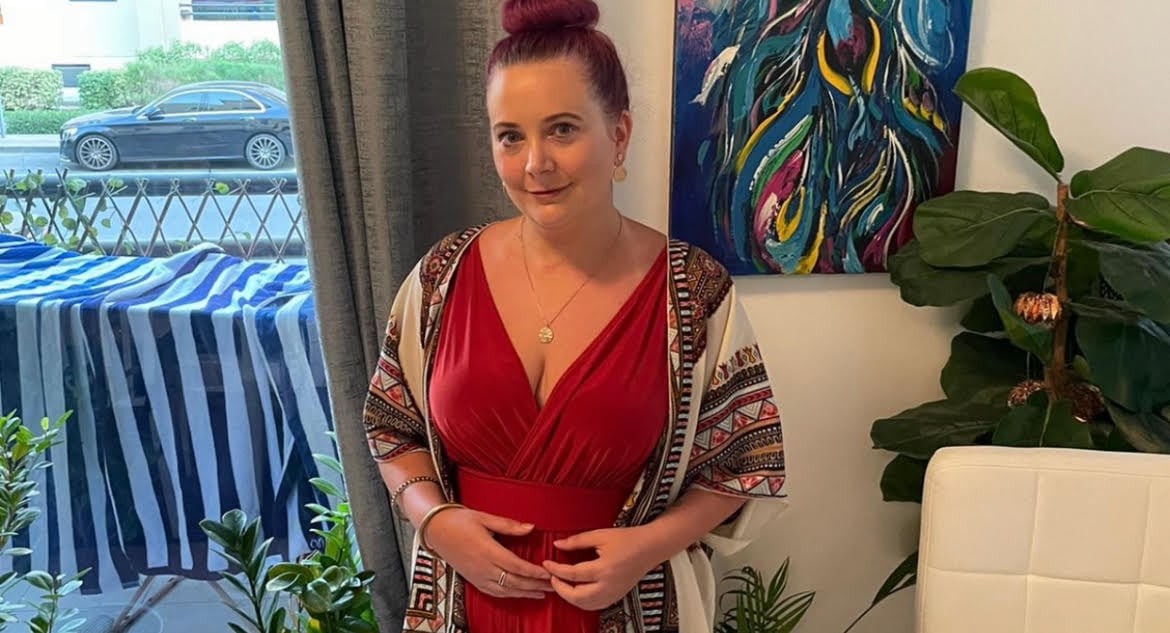
I did not set out to build a business.
I set out to write a book that, if I am honest, I never thought anyone would see.
Warborn began as a challenge I set myself. Partly because I needed somewhere to put everything. Partly because writing has always helped me survive my own mind. And partly because, as a dyslexic and neurodivergent writer, I wanted to prove to myself that I could do something huge, difficult, ambitious, and complicated without sanding myself down to fit how other people think creativity should work.
So I wrote the story that would not leave me alone.
Then I wrote another one.
Then somehow those books ended up out in the world, in readers’ hands, in shops I never imagined I would see my name in. And the maddest part is this: they did well not because I finally learnt how to write like everybody else, but because I stopped trying to.
That was the turning point for me.
For years, I read writing advice that was supposed to help and instead made me feel like I was failing some secret test. Plans that were too rigid. methods that made my brain shut down. rules delivered like commandments from a mountain by somebody who had clearly never had to fight their own wiring just to get a paragraph down. I would read things and think, right, lovely, but that does not work for me. Now what?
That “now what?” became a very big question.
Because the truth is, there are so many writers out there who are intelligent, imaginative, and full of story, but the advice they are being given is not built for their brains. It is not broken down properly. It is not accessible. It is not practical. Sometimes it is not even that good, if we are being honest and a little bitchy, which I often am.
And if you are dyslexic, neurodivergent, overwhelmed, or simply someone who needs things explained clearly without all the fluff and posturing, that gap gets old very quickly.
So I started doing what I always do. I built my own way through.
I made systems. I found methods that actually helped. I worked out how to structure things in ways my brain could hold. I learnt where I needed visual clarity, where I needed flexibility, where I needed examples, and where I needed somebody to stop waffling and just tell me plainly what the thing was and how to use it.
That is how I wrote Warborn.
Not by becoming a different person. Not by forcing myself into somebody else’s process. By learning how to work with the brain I have.
And once I started talking about that openly, people found me.
Mostly on TikTok, where I accidentally found a brilliant little tribe of writers, readers, and creative glitter rhinos who got it. People who wanted honest craft advice. People who were tired of being patronised. People who needed support that was actually useful. I started sharing tips because I know what it feels like to be staring at your work thinking, I know there is something here, but I need help that actually makes sense.
The response to that meant a lot to me.
Because underneath all the books and branding and platform stuff, the heart of this has always been very simple: I want to make things easier for someone else than they were for me.
That is where The Diverse Type came from.
Not from a polished business plan. Not from me deciding to become some perfect entrepreneur in a blazer with a clipboard and a disturbing amount of enthusiasm for funnels. Absolutely not. It came from lived experience. From writing through dyslexia. From building books with a brain that does not always do things in the easiest order. From knowing how frustrating and lonely it can feel when the advice in front of you is not built for you.
I wanted to create writing resources that were clear, practical, calm, and actually helpful.
Not vague.
Not padded.
Not full of nonsense.
Not dressed up in pretty colours while saying absolutely nothing.
Real support. Real examples. Real exercises. Real guidance for writers whose minds work differently, and for any writer who simply wants things explained properly.
Because writing is hard enough without having to translate every bit of advice into something your brain can use.
And if there is one thing Warborn taught me, it is this: you do not have to become somebody else to make something powerful. You do not have to iron out the edges that make you you. You do not have to write smaller, think quieter, or create in ways that look more respectable from the outside.
You need self-belief, yes. God, you need it. Especially on the days where the work feels impossible and your brain is being a menace. But you also need methods that fit your actual life and actual wiring.
That is what I want The Diverse Type to be.
A place that says: there is nothing wrong with you. You might just need a different way in.
If my books have taught me anything, it is that staying true to yourself is not some fluffy inspirational slogan people put on tote bags. It matters. The reason Warborn found readers is because I stopped trying to make it neater, safer, or more conventional than it was meant to be. I wrote the books I believed in. I wrote them in my own voice. I trusted the systems that worked for me. I kept going.
That matters in craft. It matters in business. It matters in art.
So if you are here because writing advice has not always worked for you, because your brain grabs hold of stories in a strange order, because you are dyslexic, neurodivergent, overwhelmed, stubborn, hopeful, or all of the above, then welcome. Truly.
You are exactly why this exists.
And if even one person opens one of these resources and thinks, oh thank God, this actually makes sense, then every difficult step it took to build this will have been worth it.
Welcome to The Diverse Type.
We do things properly here.