
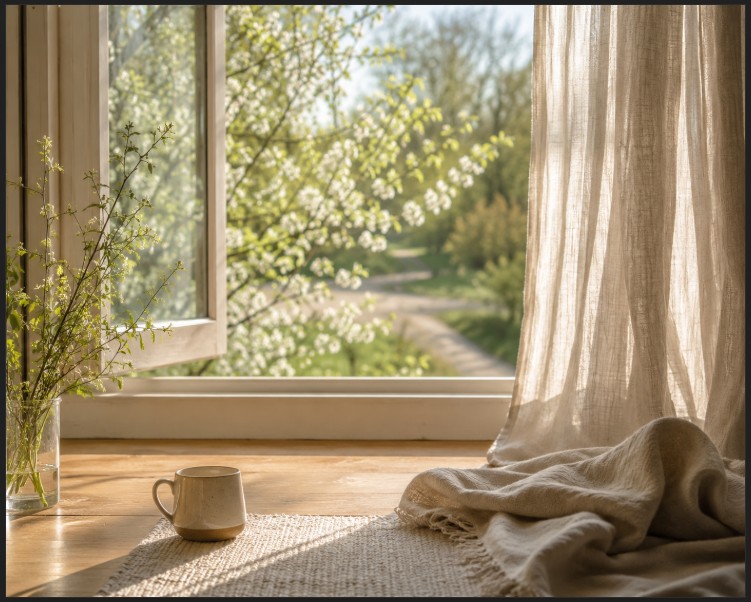
Springtime carries a natural sense of movement and transition.
After a long winter, many of us begin to notice a quiet urge to shift.
We open the windows more often. We crave lighter foods, longer walks, fresh air, and a little more movement. Even emotionally, springtime can stir something in us; a desire to feel clearer, lighter, more joyous, or simply more present in ourselves again.
Oftentimes, we think change has to be dramatic to matter. And marketing certainly doesn’t help. This time of year comes with endless messaging about reinvention. Improve yourself. Transform yourself. Become a better version of yourself by summer.
But more often than not, the most meaningful and lasting shifts happen gradually and even almost unnoticed at first.
* sleeping more deeply
* feeling less mentally foggy
* noticing less tension in the body
* feeling more emotionally steady
* having a little more energy at the end of the day
Small things, maybe. But small things have a way of changing how we move through daily life.
Reconnecting With the Body After Winter
Winter naturally changes our rhythms. We spend more time indoors, move less, absorb less sunlight, and often carry more physical and mental heaviness through the colder months. By spring, many people notice they feel sluggish, depleted, disconnected, or simply not quite themselves.
The body adapts remarkably well, but seasonal transitions can still be hard.
Reflexology can be a way of working with this seasonal shift, helping the body adjust to the pace and movement of spring. A way of shaking off some of the metaphorical heaviness of winter.
Using specific pressure, applied in structured sequences, Reflexology works to support circulation, relaxation, and nervous system regulation. This is often why people leave sessions feeling calmer, lighter, more at ease, more grounded than when they arrived.
Reflexology is not about forcing the body into change. It works by supporting the body’s own natural mechanisms for regulation and balance. The goal is not to “fix” anything, but to support and strengthen the systems already working behind the scenes.
And perhaps just as importantly, it encourages (re)connection.
Over time, many regular clients begin to notice a greater awareness of what they actually need. Recognizing stress patterns earlier. Noticing fatigue sooner. Learning that rest is neither indulgence nor something earned, but an integral part of wellness.
That (re)connection matters. It is invaluable.
How Reflexology Supports Us in Times of Transition
Our systems can get thrown off balance for all sorts of reasons - stress, fatigue, lack of rest, poor nutrition, dehydration, emotional overload, or simply trying to do too much for too long.
When the nervous system is given an opportunity to settle, the body responds.
Reflexology works through the nervous system and the body’s neural pathways to encourage a state of relaxation, repair, and regulation. At its core, Reflexology is about supporting balance within the body and helping bring the system back toward homeostasis.
Or more simply put: helping you feel more like yourself again.
And perhaps that’s what spring renewal really is - not becoming someone new, but feeling more like yourself again.
Comments ()