

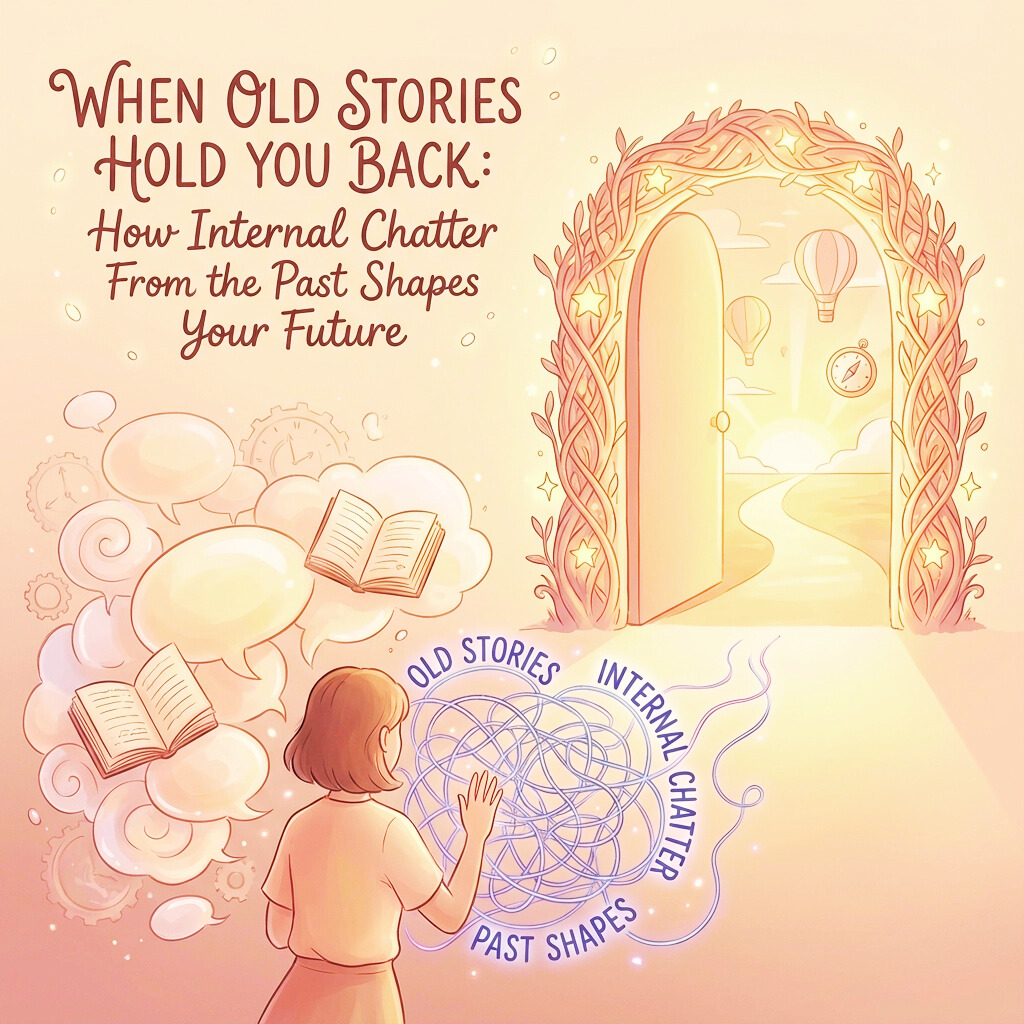
Hey folks! Thanks for being here. Today, we're discussing the steady stream of thoughts from the past that can shape what we try in the future — that voice that says, "Remember when you failed?" or "You're not the type of person who gets to have that." It’s common, it’s human, and if we don’t notice it, it can quietly steer our choices.
You know the feeling, right? Old stories replay in our minds like a loop, shaping not just how we see ourselves today, but what we believe is possible tomorrow. Those narratives are powerful and they’re sneaky in how they keep us small.
The Invisible Weight of Old Stories
Picture this: You're standing at the edge of a new opportunity a career change, a relationship, or simply the chance to back yourself again. But instead of excitement, you feel that familiar heaviness. It's not just fear of the unknown — it's the weight of conclusions you drew years ago about who you are and what you’re allowed to want.
Those conclusions didn’t show up overnight. They formed slowly from moments when things didn’t work out, when people let us down, or when we let ourselves down. Our minds tried to protect us by turning those moments into rules. Helpful at the time, maybe, but over the long run, those rules can turn into walls.
Real progress starts when we notice that the stories we tell ourselves about the past don’t have to decide the future. To get there, it helps to understand how that running commentary works and why it grabs hold so easily.
How Your Mind Creates Future Limitations
Here’s something everyday experience (and research) shows: the order of tough events can matter more than any single event. When hard moments stack up, our minds don’t just tally them. We look for patterns. We make meaning. And that meaning quietly affects what we’ll risk next.
Think about a streak when everything seemed to go wrong. Maybe a few bad dates, several job rejections, and a friendship fizzling out. Your mind didn’t just log events. It built a story: "I’m unlucky in love," "I’m not good enough professionally," or "People leave."
That’s internal chatter at work — taking separate moments and stitching them together into a blanket statement about who you are and what life will be like. The problem isn’t that hard things happened; it’s that we start treating those stories like fixed facts about our identity and our future.
The Sneaky Ways Past Stories Show Up
One and all, let’s get practical about where these old stories show up. They’re not always loud. Often, they’re quiet, nudging our choices from the background.
Maybe you say "I could never do that" before you’ve even taken a proper look at the opportunity. Maybe you over-apologize or make yourself smaller in conversations because deep down you’re worried you’re a hassle. Maybe you set goals just low enough that you won’t face a big, public miss.
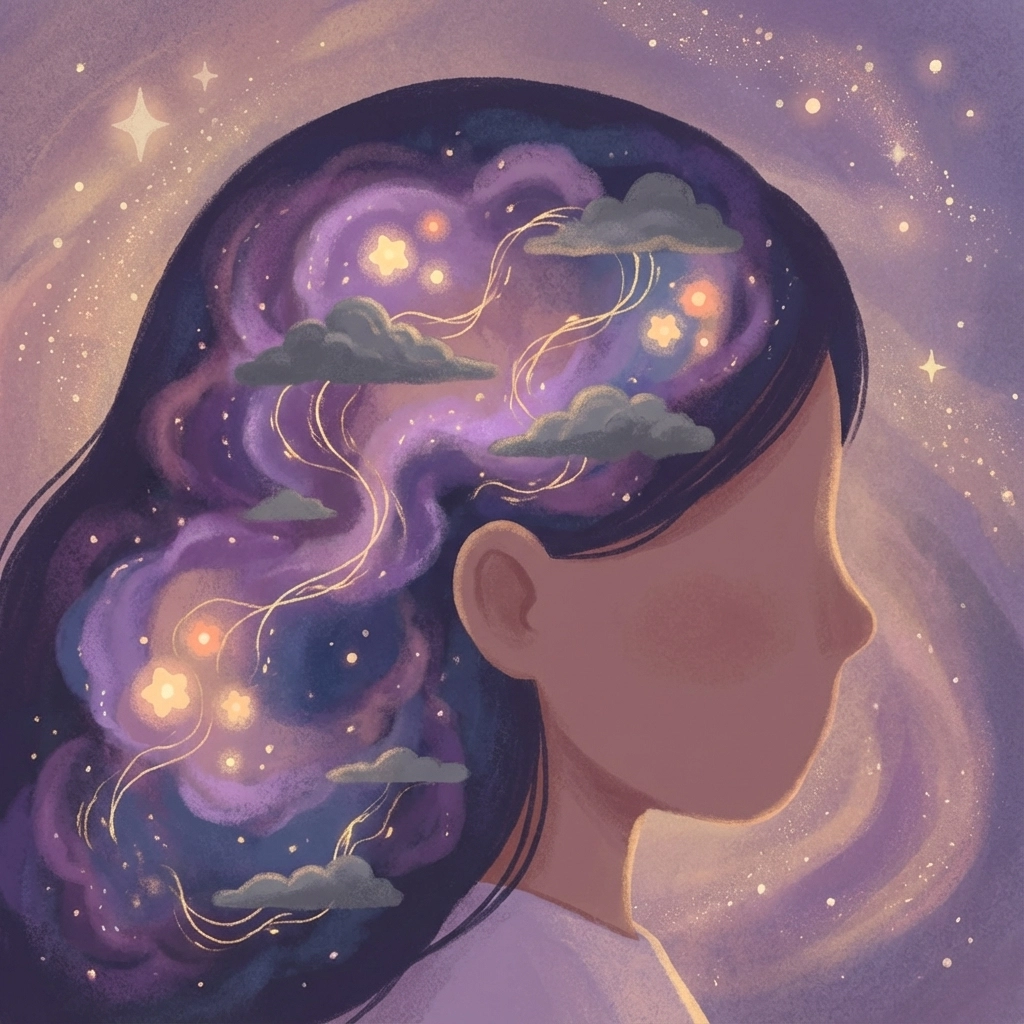
They slip into the small moments too: the way you hesitate to ask for what you need, the way you stop yourself from applying, the way you assume the answer is no before you ask. It can feel like your brain is running an old route on autopilot, steering you around anything that challenges the familiar story.
Some of the toughest stories come from subtle messages we absorbed about what people "like us" should want or achieve. Those limits can be hard to spot because they feel like "just the way things are."
A Practical Way to Work With Your Story
Here’s the shift: Noticing these patterns isn’t about blame. It’s about realizing you have more choices than your old story suggests.
When you pay attention to your self-talk with curiosity instead of criticism, something useful happens. You begin to see that your stories aren’t hard facts; they’re interpretations. And interpretations can be questioned, tested, and updated.
Moving forward isn’t about pretending the hard stuff never happened or forcing yourself to think only positive thoughts. It’s about building a new relationship with your past: respecting what you went through while not letting it set the limits for what comes next.

Change takes time. Some days you’ll catch the old line and steer gently. Other days, it will pull you in again. That’s normal. The goal isn’t perfection — it’s awareness and steady practice.
Creating Space for New Narratives
One of the most encouraging things about being human is that we can add chapters to our story.
When that familiar voice pipes up, try asking: "Is this story helping me move toward the life I want, or is it keeping me stuck?" Even that small pause can create room for a different choice.
Try new lines. Instead of "I always mess things up," try "I’m learning and improving." Instead of "Good things don’t happen to people like me," try "I’m open to possibilities I haven’t seen yet."
New lines might feel awkward at first — like wearing a new pair of shoes. But remember: the story that feels "natural" now once felt new too. If you learned it, you can learn something better.
What Changes When Your Story Changes
When you shift your story, your choices shift with it. You apply for different roles, ask different questions, set clearer boundaries, and take steps you used to avoid.
This isn’t about wishful thinking. It’s about how beliefs influence behavior. When you stop letting old conclusions run the show, you show up differently — and new outcomes become possible.
You won’t just feel the difference; people around you will notice it too. Your example can nudge others to look at their own stories and try something new.
Moving Forward with Intentional Awareness
As you move ahead, remember: progress isn’t a straight line where old stories vanish forever. It’s the ongoing skill of noticing when the old track starts playing and choosing a more helpful one.
Your past shaped you, but it doesn’t have to confine you. The self-talk that once tried to shield you from disappointment might now be keeping you from opportunity.
The conversation between your past and your future doesn’t have to be ruled by old fears. With awareness, patience, and simple kindness toward yourself, you can write the next part of your story with more room to breathe.
Are you ready to move further in working with your internal chatter and old stories? Check out our tools and resources designed to support reflection and steady, practical growth.