

Patient-reported outcome measures (PROMs) can fill an important gap by asking patients how their communication and cognitive challenges affect their everyday lives.
Rather than focusing solely on impairment, PROMs capture what matters most to the individual. From PROMs, we can learn whether patients are remembering appointments, remembering to take medications, how well they are conversing with others, paying attention in the presence of background noise, etc.
When selecting a PROM, I try to look for ones that are:
- Functional and relevant to a patient’s everyday life
- Easy for patients to understand (Read previous blog post: “The Use of Patient Reported Outcome Measures (PROMs) in Speech Language Pathology: Can Patients Read and Understand Them?)
- Sensitive to change over time—meaning I can give them at the beginning, middle, or end of intervention
These type of PROMs are the most helpful for guiding person-centered goal writing and treatment planning, and activity planning.
Because 60% of my caseload at the Brain Injury Clinic where I work is cognitive-communication, I have become well-versed on PROMs in that area. Here is a list of some of my favorites cog-comm PROMs.
Memory:
MMQ (Multifactorial Memory Questionnaire)
Attention:
Mindful Attention & Awareness Scale (MAAS)
Attention Processing Training -2 Rating Scale
Moss Attention Rating Scale *based on clinician observation
Executive Functioning
Executive Skills Profile by Peg Dawson & Richard Guare
Behavior Rating Inventory of Executive Function- Adult Version (BRIEF-A)
Communication
Communication Participation Item Bank (CBIP)
LaTrobe Communication Questionnaire (LCQ)
Patient-reported outcome measures should never replace motivational interviewing, clinical observation or standardized assessment… but they can ADD to them, and help us understand and PRIORITIZE patient needs in session. For a full list of cognitive-communication related PROMs currently being used across the field of Speech Language Pathology, check Appendix C of this article>>> https://pubs.asha.org/doi/10.1044/2024_AJSLP-24-00285
Just as importantly, the THERAPY ACTIVITIES we use during treatment should reflect those same real-world priorities. If a patient tells you they're struggling to remember appointments, follow conversations, or manage daily tasks, your therapy materials should directly target those functional challenges—not just isolated memory drills.
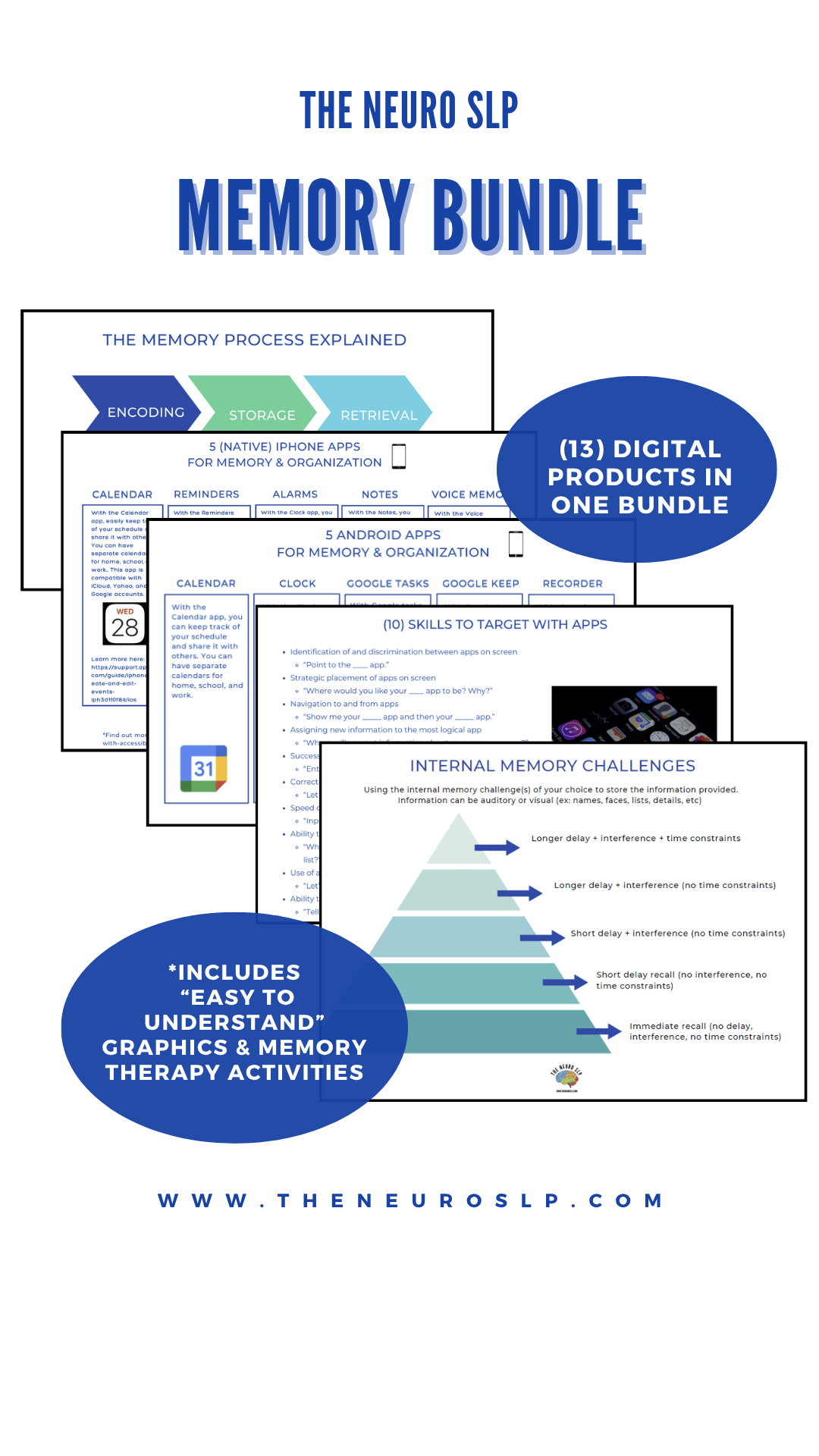
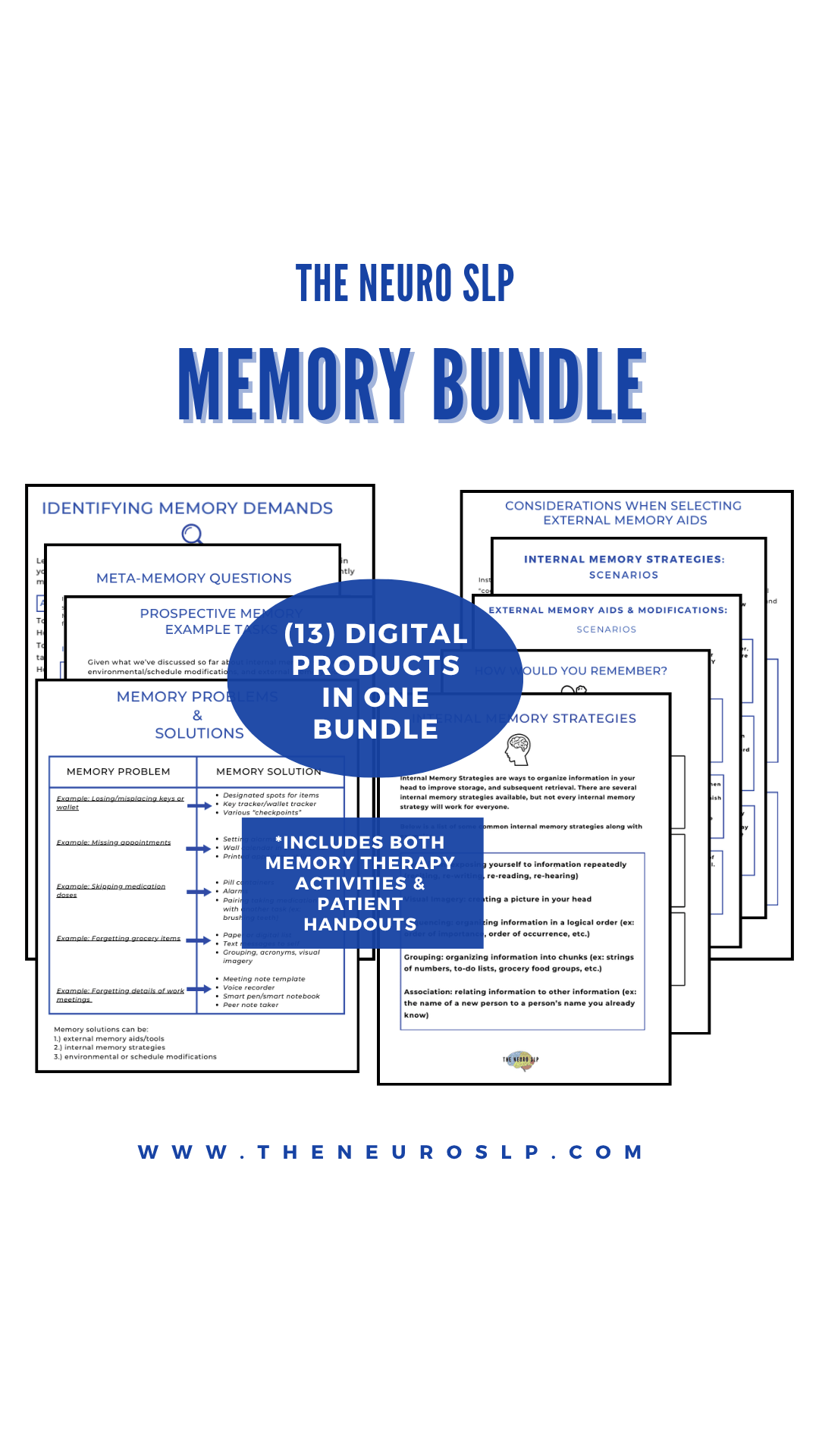
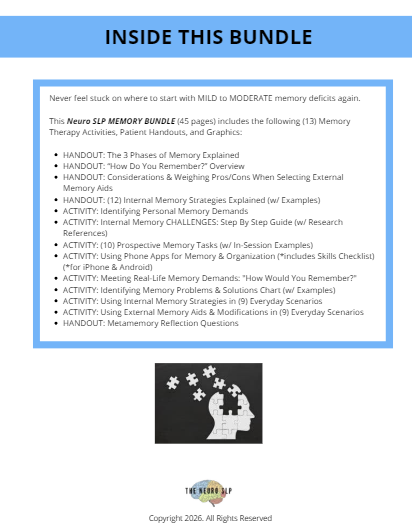
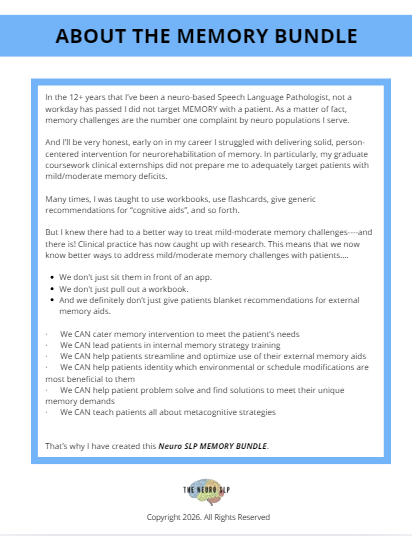
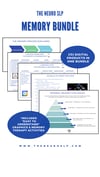
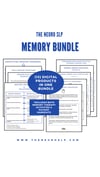
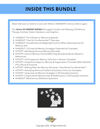
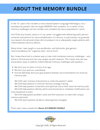
That's exactly why I created my "Neuro SLP Memory Bundle". It includes functional activities, patient education handouts, visual supports, graphics, and ready-to-use therapy materials designed specifically for adults with mild to moderate memory deficits.
Instead of spending hours creating resources from scratch, with the Neuro SLP Memory Bundle, you'll have evidence-informed materials that help patients practice the memory skills they actually need in everyday life.
CLICK HERE for Neuro SLP Memory Bundle.
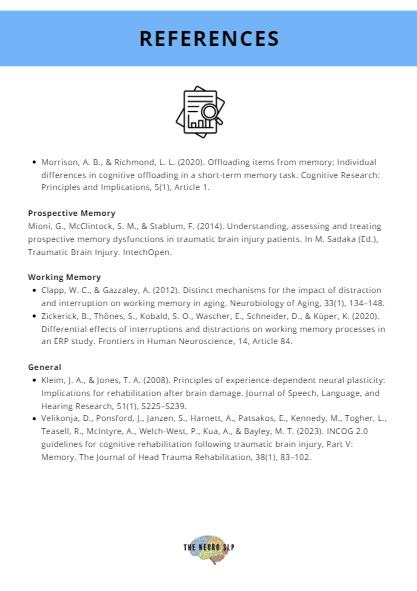
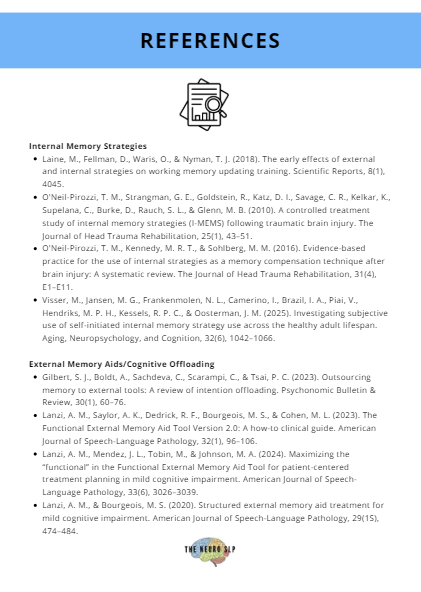
Relevant Research:
Angela K. Troyer, Larry Leach, Susan Vandermorris & Jill B. Rich (2019) The measurement of participant-reported memory across diverse populations and settings: a systematic review and meta-analysis of the Multifactorial Memory Questionnaire, Memory, 27:7, 931-942
Cohen ML, Hula WD. Patient-Reported Outcomes and Evidence-Based Practice in Speech-Language Pathology. Am J Speech Lang Pathology. 2020 Feb 7;29(1):357-370.
Stagge F, Cohen ML, Johnson AL, Lanzi AM. Speech-Language Pathologists' Use of Patient-Reported Outcome Measures for Adult Patients With Cognitive-Communication Disorders: A Survey Study. Am J Speech Lang Pathol. 2025 Mar 10;34(2):798-817.


Comments ()