

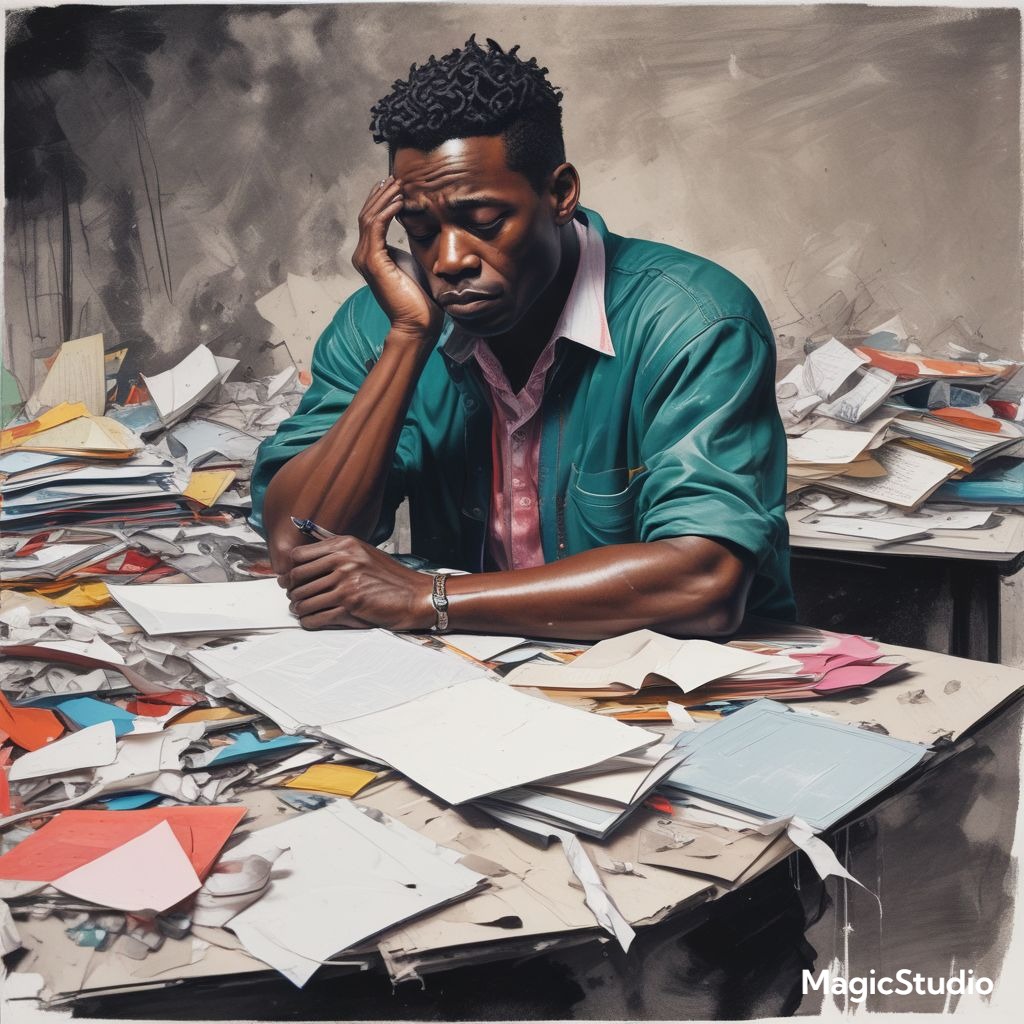
You have been wanting to write a novel for the longest time, but never got around to doing it because you didn’t know where to begin. Or perhaps your child wants to write a story, and you do not know how to help them through it. The idea of writing an entire book is daunting, but once it’s done, it is the best feeling in the world. Getting started on a novel is not as difficult as it may seem. It does not need to be complicated - you can leave the complications for the hero’s journey. Here is how to get your first draft down in manageable steps.
The Concept
First, you need to determine what the story is about. If you cannot say what the story is about, then you can’t write it. It doesn’t have to be an entire paragraph of storytelling either. A simple sentence or two will suffice. For example, I could say my story is about a street cat that wants to go to the Maasai Mara to meet the lion and become one of the ‘big cats’.
The Protagonist
Once you decide what the story is about, single out who it revolves around. Who is the main character? Which characters play a huge role? You don’t need to go deep into every single character if you don’t have them yet. Focus on whatever character you have, even if it is only one. Jot down who they are and any interesting or important things about them (especially if it matters to the story). At this stage, it is an enormous advantage if you can jot down what their goal is; what is it they want to do or achieve? For example, in my cat idea, I could say that the main character is the street cat (called Pakaa), who used to be a pet - the runt of its family - but ran away from its owners because it saw a show on TV talking about the lion and how he is the King of the Wild. Pakaa wants to find Lion and join him in being one of the big cats, never to be devalued again.
The Highlights
Next, you need to think about the highlights of the story. The good news is you don’t need to have all the details at this point. You simply need markers along your journey. Where does your story begin? What challenges does your character encounter in the story? Will he achieve his goal? Where does the story end? Think of it like a travel map: I’ll start my journey in Mombasa, get to Voi, then to Mtito Andei, and then to Nairobi. Those are the highlights of the journey, with the happenings in between not detailed. It is fine if you do not have many highlights. Having three points - the beginning, the middle, and the end - is good enough. In my cat story, my highlights could be: Pakaa watches TV, sees the lion, and gets inspired; in the wild he realizes the world is a big and dangerous place; when he meets lion he realizes the reality of his dream is not what he imagined it would be; Pakaa learns to value himself as he is, and goes home to make peace with his family.
Just write
Now that you have that covered, it is time to write! Just write! Don’t worry about how it looks or reads; just write to get the story on the page. First drafts are usually a far cry from how the finished product looks anyway, so your immediate goal should be to get the story out. Remember what they say: you can’t edit a blank page.
You now know the crucial steps to start your first novel! If the thought of organizing your ideas on a blank page still feels overwhelming, don't worry. The work doesn't have to be complicated. You can get the First Draft Novel Planner - a simple, printable workbook designed specifically to organize your concept, character, and plot highlights according to this guide.
And there you go! Your first draft is done! Though the work is far from over, this is still a significant achievement - applaud it. More on what to do with your draft will come in another article, but for now, congratulations, you just wrote a story!
Comments ()