
When you’re learning to use your camera, it can feel like you’re faced with endless choices, buttons, and settings. It’s completely normal to feel unsure at first, so here’s a simple, supportive system to help you build confidence step by step.
I always encourage beginners to start with the automatic settings and scene modes. These modes aren’t “cheating” they’re actually a brilliant learning tool. Half‑press the shutter, let the camera focus, and then take a moment to look at what the camera has chosen. Notice the aperture, shutter speed, and ISO. The camera is making decisions based on the subject and the light you’re working with, and this gives you a real‑world sense of how these settings behave. It’s a gentle way to begin understanding exposure without feeling overwhelmed.
Once you’re comfortable with that, you’re ready to take a small but powerful step forward: Aperture Priority mode (A or Av on your dial). This mode is perfect for still subjects because you control the size of the opening in the lens — and that opening determines how much of your image appears sharp.
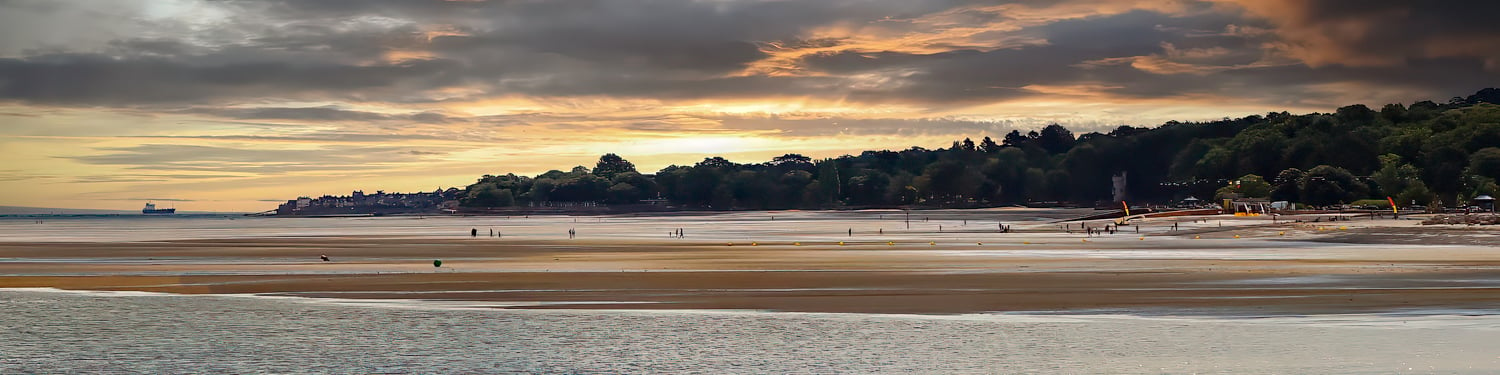
A wide aperture (a low f‑number) gives you a beautifully blurred background, ideal for portraits and close‑up shots where you want your subject to stand out. A small aperture (a higher f‑number) gives you sharpness from front to back, which is perfect for landscapes or scenes where every detail matters. Because a small aperture lets in less light, the camera will automatically adjust the shutter speed and ISO to keep the exposure balanced.
As you practice, pay attention to how the camera responds to your aperture choices. This is where your understanding really starts to grow — not through complicated theory, but through simple observation and gentle experimentation.
Photography becomes much easier when you learn in small, manageable steps, and Aperture Priority is one of the best places to begin your creative journey.
Comments ()