

In the ever-evolving landscape of literacy instruction, digital tools like Google Read Along are becoming common fixtures in classrooms and homes. As we integrate these technologies, it’s essential to understand how they align with evidence-based practices like Structured Literacy, and where the irreplaceable value of a human teacher, parent, or tutor truly lies.
Understanding the Tool: Google Read Along
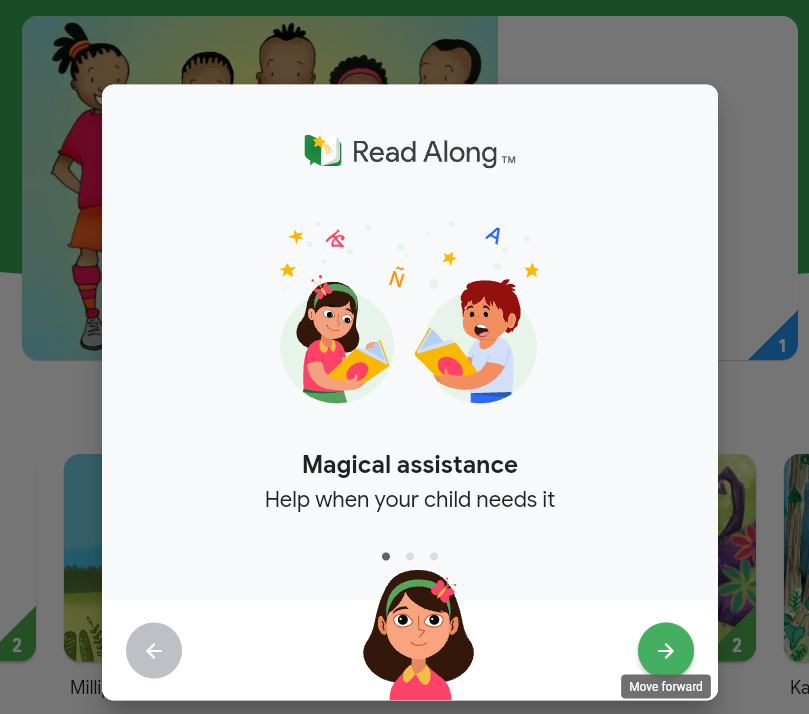
Google Read Along is an AI-powered reading buddy (featuring "Diya") that provides real-time feedback as students read aloud. It is designed to foster independent reading by offering pronunciation support, tracking fluency, and providing gamified rewards like stars to keep young readers motivated.
How It Aligns with Structured Literacy (UFLI & Logic of English)
For educators and parents using Structured Literacy frameworks—such as the UFLI (University of Florida Literacy Institute) foundations or Logic of English—Google Read Along serves as a powerful "practice engine" rather than a primary instructor.
- Decodable Text Support: Both UFLI and Logic of English emphasize the use of decodable texts to reinforce phonics patterns. Google Read Along includes a library of over 800 books, including decodable texts from reputable publishers like Heggerty and ReadWorks.
- Phonics-Based Differentiation: Teachers can assign specific reading activities based on phonics skills or Lexile measures. This allows for the targeted practice of the "logic" behind English spelling and phoneme-grapheme correspondences being taught in the classroom.
- Immediate Feedback: A core tenet of effective literacy instruction is immediate corrective feedback. Diya provides in-the-moment support for pronunciation, helping students bridge the gap between decoding a word and achieving fluency.
A Guide for Parents, Teachers, and Tutors
For Teachers: * Data-Driven Instruction: Use the "Insights" dashboard to track accuracy, speed, and comprehension. This data identifies which students are struggling with specific phonics patterns, allowing you to tailor your small-group instruction.
- Customization: You can now upload your own materials or use Gemini AI to generate stories directly in Classroom, ensuring the text perfectly matches your current UFLI or Logic of English lesson.
For Parents & Tutors:
- Safe Independent Practice: It acts as a bridge during "homework" or "independent time." If a child is stuck on a word while you are busy, Diya can help them decode it without the child becoming frustrated or developing "guessing" habits.
- Celebrating Home Languages: For multilingual families, the tool supports over 11 languages, allowing students to celebrate their home language while building English literacy.
Why Tech Can’t Replace the Human Touch
While Google Read Along is an incredible scaffold, it cannot replace a human for several reasons:
- Diagnostic Nuance: An AI can tell if a word was read incorrectly, but a human teacher understands why. Is the student struggling with a specific vowel team? Are they tired? Do they lack the background knowledge to understand the word's meaning?
- Emotional Connection and Encouragement: Reading is often an emotional journey. A digital buddy can give stars, but a human can provide the genuine empathy, shared excitement, and personalized encouragement that builds a lifelong love of reading.
- Complex Discussion: Literacy is more than just decoding; it's about deep comprehension and critical thinking. Humans facilitate the rich discussions and "Socratic" questioning that technology cannot yet replicate.
Conclusion: Google Read Along is a "companion," not a "substitute." By using it to handle the repetitive "drills" of fluency and decoding practice, we free up human educators and parents to do what they do best: inspire, diagnose, and connect.
Google Read Along: Practice for Literacy This video provides a concise overview of how Read Along tracks accuracy and comprehension, illustrating its role as a supportive tutor for independent practice.
What do you think?
Comments ()