

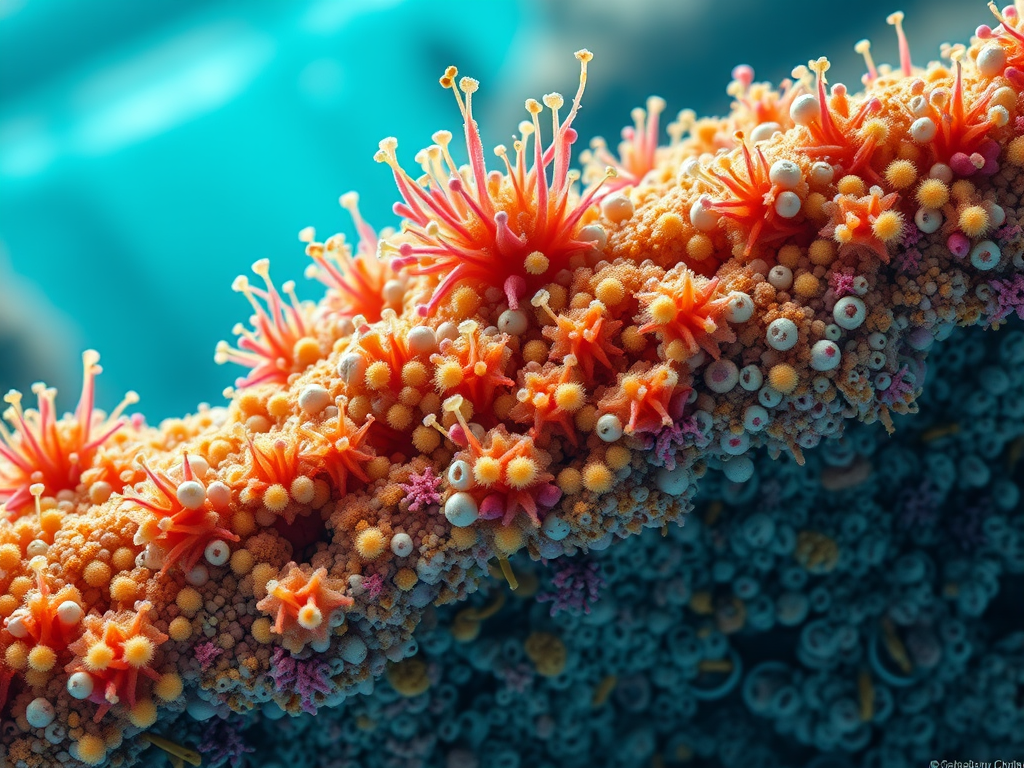
Biofilms: The Architecture of Microbial Life, Cooperation, and Resilience
Biofilms are not merely microbial aggregates; they are dynamic, cooperative architectures of life. Composed of microorganisms embedded in a self-produced extracellular matrix, biofilms exemplify emergent intelligence, adaptive design, and collective resilience. Across ecological niches and human-made environments, biofilms demonstrate how microbial communities communicate, specialise, and defend themselves in response to environmental pressures.
This framework invites academic researchers, microbial ecologists, and interdisciplinary thinkers to explore biofilms as both biological systems and philosophical models. It traces the fundamentals of biofilm formation, quorum sensing, metabolic division of labour, and structural integrity, while also examining resistance mechanisms, dispersal strategies, and multispecies interactions. From host–microbe dynamics to industrial biofouling, the guide spans contexts where microbial cooperation shapes outcomes.
Structured across ten iterative steps, this resource scaffolds inquiry into the ethical, ecological, and metaphorical dimensions of microbial life. It encourages reflection on parallels between microbial and human systems, how cooperation, communication, and spatial organisation influence resilience and adaptation.
For those committed to understanding life at its most relational scale, this guide affirms that biofilms are not just biological phenomena; they are living metaphors for community, complexity, and care.
Each Spiralmore download comes with a personal-use license. Please honour its creative integrity by not redistributing, republishing, or sharing content without explicit permission.