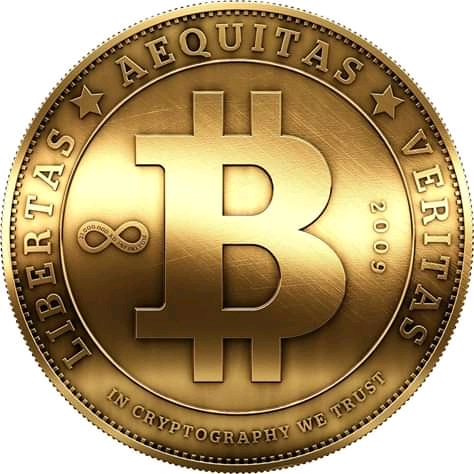
Bitcoin Trading
BLOCKCHAIN AND CRYPTOCURRENCY COURSE
You’ve probably heard of Bitcoin and Blockchain, however, many people don’t really understand what they mean, how they are built and why everybody is talking about the amazing future of blockchain and blockchain based cryptocurrencies such as Bitcoin, ethereum, litecoin and others.
Bitcoin is the most known cryptocurrency, it is a digital currency, that is created and held electronically. No one controls it. Bitcoins aren’t printed like other currencies. Bitcoin is a worldwide cryptocurrency and a digital payment system called the first decentralized digital currency since the system works without a central repository or single administrator. It was invented by an unknown programmer, or a group of programmers, under the name Satoshi Nakamoto and released as an open – source software in 2009. The system is peer-to-peer, and transactions take place between users directly, without an intermediary. These transactions are verified by network nodes and recorded in a public distributed ledger called a blockchain.
BITCOIN WALLETS
Bitcoin uses public-key cryptography, in which a pair of a public and a private cryptographic key is generated. A collection of keys is called a wallet. Note that sometimes the term is used to mean the software in the sense of digital wallet. A Bitcoin transaction transfers ownership to a new address, a string having the form of random letters and numbers derived from public keys by application of a hash function and encoding scheme.The corresponding private keys act as a safeguard for the owner; a valid payment message from an address must contain the associated public key and a digital signature proving possession of the associated private key. Theft of bitcoins has occurred on numerous occasions, and the practical day-to-day security of Bitcoin wallets is a concern like the security of other forms of payment.
Risk of theft can be reduced by generating keys offline on an uncompromised computer and saving them on external storage or paper printouts. “Physical bitcoins”, ubiquitous in media coverage of Bitcoin, are produced by various vendors. They store a private key on paper, metal, wood, or plastic. There are also digital products known as “Hardware Wallets” to store bitcoins securely on a physical device. Bitcoins can be lost. In 2013 one user said he lost 7,500 bitcoins, worth $7.5m at the time, when he discarded a hard drive containing his private key. Bitcoins can be found; In March 2014, former Bitcoin exchange Mt. Gox reported it found an “old wallet, which was used before June 2011, [that] held about 200,000 Bitcoins”.
Bitcoin wallet software, sometimes called a Bitcoin client software, allows a user to transact bitcoins. A wallet program generates and stores private keys, and communicates with peers on the Bitcoin network. The first wallet program called Bitcoin-Qt was released in 2009 by Satoshi Nakamoto as open source code. It can be used as a desktop wallet for payments or as a server utility for merchants and other payment service.
BUYING AND SELLING BITCOINS
Bitcoin can be bought and sold for many different currencies from individuals and from companies. The fastest way to obtain bitcoins is to purchase them in person or at a Bitcoin ATM for cash. Bitcoin ATMs allow bitcoins to be purchased for cash, and some also allow cash withdrawals from Bitcoin wallets stored on smartphones. Participants in online exchanges offer bitcoinbuy and sell bids. Companies buy or sell bitcoin in bulk on exchanges and offer their customers the option via ATM to buy or sell bitcoin at market price. Using an online exchange to obtain bitcoins entails some risk, since according to one study 45% of exchanges have failed and taken client bitcoins with them.
Since bitcoin transactions are irreversible, sellers of bitcoins must take extra measures to ensure they have received traditional funds from the buyer.
You’ve probably heard of Bitcoin and Blockchain, however, many people don’t really understand what they mean, how they are built and why everybody is talking about the amazing future of blockchain and blockchain based cryptocurrencies such as Bitcoin, ethereum, litecoin and others.
Bitcoin is the most known cryptocurrency, it is a digital currency, that is created and held electronically. No one controls it. Bitcoins aren’t printed like other currencies. Bitcoin is a worldwide cryptocurrency and a digital payment system called the first decentralized digital currency since the system works without a central repository or single administrator. It was invented by an unknown programmer, or a group of programmers, under the name Satoshi Nakamoto and released as an open – source software in 2009. The system is peer-to-peer, and transactions take place between users directly, without an intermediary. These transactions are verified by network nodes and recorded in a public distributed ledger called a blockchain.
BITCOIN WALLETS
Bitcoin uses public-key cryptography, in which a pair of a public and a private cryptographic key is generated. A collection of keys is called a wallet. Note that sometimes the term is used to mean the software in the sense of digital wallet. A Bitcoin transaction transfers ownership to a new address, a string having the form of random letters and numbers derived from public keys by application of a hash function and encoding scheme.The corresponding private keys act as a safeguard for the owner; a valid payment message from an address must contain the associated public key and a digital signature proving possession of the associated private key. Theft of bitcoins has occurred on numerous occasions, and the practical day-to-day security of Bitcoin wallets is a concern like the security of other forms of payment.
Risk of theft can be reduced by generating keys offline on an uncompromised computer and saving them on external storage or paper printouts. “Physical bitcoins”, ubiquitous in media coverage of Bitcoin, are produced by various vendors. They store a private key on paper, metal, wood, or plastic. There are also digital products known as “Hardware Wallets” to store bitcoins securely on a physical device. Bitcoins can be lost. In 2013 one user said he lost 7,500 bitcoins, worth $7.5m at the time, when he discarded a hard drive containing his private key. Bitcoins can be found; In March 2014, former Bitcoin exchange Mt. Gox reported it found an “old wallet, which was used before June 2011, [that] held about 200,000 Bitcoins”.
Bitcoin wallet software, sometimes called a Bitcoin client software, allows a user to transact bitcoins. A wallet program generates and stores private keys, and communicates with peers on the Bitcoin network. The first wallet program called Bitcoin-Qt was released in 2009 by Satoshi Nakamoto as open source code. It can be used as a desktop wallet for payments or as a server utility for merchants and other payment service.
BUYING AND SELLING BITCOINS
Bitcoin can be bought and sold for many different currencies from individuals and from companies. The fastest way to obtain bitcoins is to purchase them in person or at a Bitcoin ATM for cash. Bitcoin ATMs allow bitcoins to be purchased for cash, and some also allow cash withdrawals from Bitcoin wallets stored on smartphones. Participants in online exchanges offer bitcoinbuy and sell bids. Companies buy or sell bitcoin in bulk on exchanges and offer their customers the option via ATM to buy or sell bitcoin at market price. Using an online exchange to obtain bitcoins entails some risk, since according to one study 45% of exchanges have failed and taken client bitcoins with them.
Since bitcoin transactions are irreversible, sellers of bitcoins must take extra measures to ensure they have received traditional funds from the buyer.

 Save
Save
 Share
Share
 Tweet
Tweet