
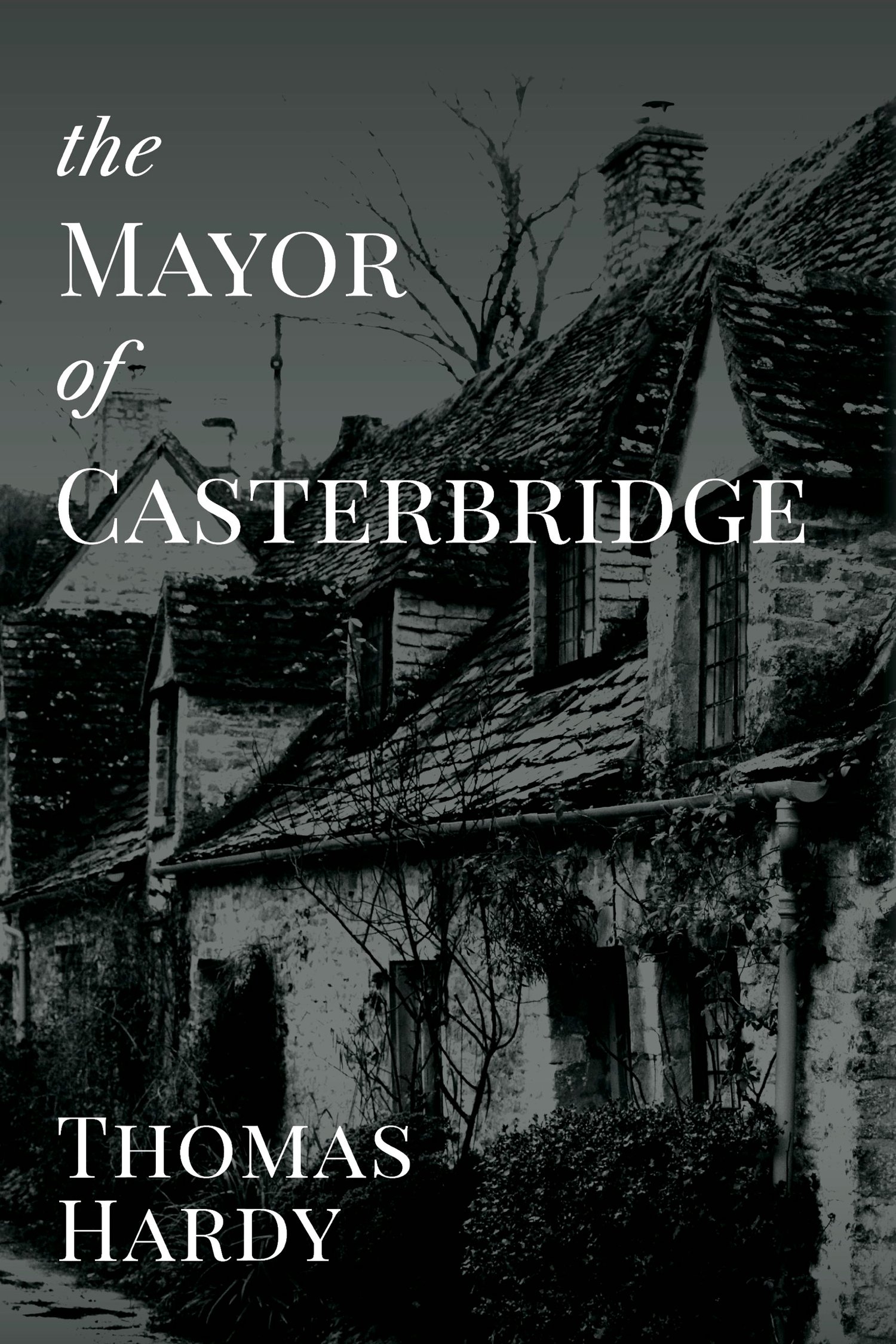
The Mayor of Casterbridge
The Mayor of Casterbridge is Thomas Hardy’s stark and powerful study of pride, guilt, and the relentless consequences of a single reckless act. The novel opens with a moment of shocking impulsivity, when Michael Henchard, drunk and embittered, sells his wife and child at a country fair, an act he soon regrets but can never undo. Years later, Henchard has risen to prominence as the respected mayor of Casterbridge, only to find that the past he tried to bury is steadily closing in.
As long-suppressed truths resurface, Hardy charts Henchard’s psychological unravelling with ruthless precision. His fierce temper, rigid sense of honor, and inability to bend or forgive himself most of all set him on a collision course with changing fortunes and younger rivals. Against him stands the calm, capable Donald Farfrae, whose modern outlook highlights the tragic flaws of a man shaped by older values and raw emotion.
Bleak, gripping, and profoundly human, The Mayor of Casterbridge explores how character can become destiny. Hardy offers no easy redemption, only a clear-eyed vision of how pride corrodes, how remorse lingers, and how some mistakes echo across a lifetime. This is a tragedy rooted not in fate alone, but in choice and in the terrible persistence of memory.
For readers who loved George Eliot’s Middlemarch and Gustave Flaubert’s Madame Bovary, Hardy delivers a severe and deeply human tragedy in which pride, remorse, and irrevocable choice shape a life’s slow unraveling.
About the author
Thomas Hardy (1840–1928) was an English novelist and poet whose work explored the harsh pressures of class, convention, and fate on individual lives. Best known for novels such as Tess of the D’Urbervilles and Jude the Obscure, he challenged Victorian moral certainty with an unflinching realism that often provoked controversy. In later life, he turned primarily to poetry, leaving behind a body of work marked by compassion, pessimism, and enduring psychological depth.